
Guwahati's Ongoing Battle Against Rising Crime and Drug Abuse
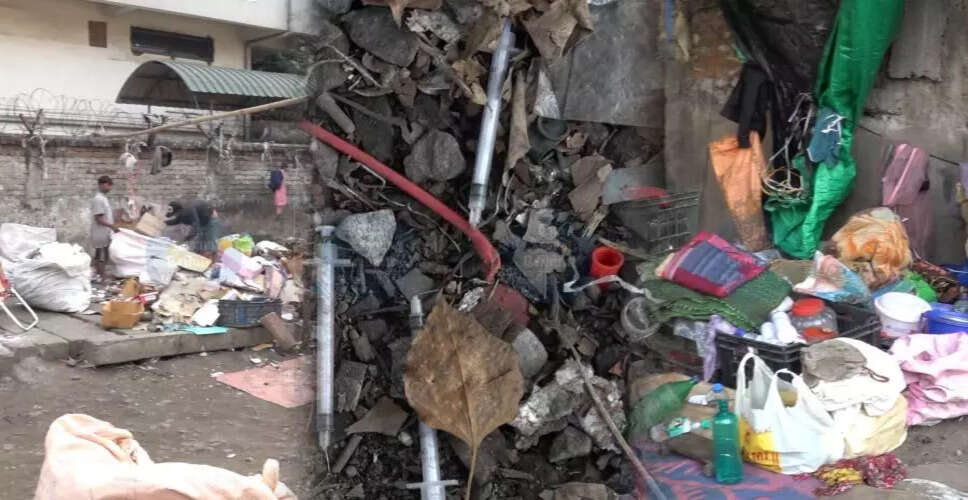
Joint Eviction Drive in Guwahati
Guwahati, Dec 5: The increasing occurrences of theft, robbery, and drug-related issues have raised significant concerns in Guwahati. In response, a collaborative eviction initiative has been launched by the Panbazar Police and the Railway Protection Force (RPF) at Railway Gates 2, 3, and 4.
Officials have identified this area as a hotspot for illegal settlements, drug trafficking, and minor criminal activities, which take place both during the day and at night.
This eviction operation, now in its fourth day, aims to dismantle the networks that are contributing to the surge in criminal activities.
Residents and shopkeepers have reported a noticeable increase in petty crimes, including thefts and snatchings, in recent months.
Locals suggest that many of these incidents are associated with a growing number of young individuals addicted to drugs who frequent the area throughout the day.
Authorities have noted that a section of the railway line has become a center for drug use, with individuals from districts like Dhubri, Barpeta, and even neighboring states allegedly settling there to engage in illegal activities.
During the eviction, several individuals voiced their concerns about the deteriorating situation.
A long-time shopkeeper, who tragically lost two sons to drug addiction, shared his sorrow and frustration. He stated, “They are evicting people to control those who do drugs and prevent thefts. People come from outside. Because of drugs, I have lost two boys. The police ask us to help catch such people, but we fear for our lives. I’ve run my shop for 40 years, but now the number of strangers has increased.”
Another individual, who is currently struggling with addiction, candidly admitted to purchasing and using drugs. “I won’t lie, I am a drug addict,” he confessed. “I buy dendrite for Rs 60 or 70 and other drugs for Rs 1,200–1,300. I try to stop, but I relapse. I ask people for money and use that to buy drugs.”
A woman affected by the eviction claimed that drug dealing in the area had become a regular occurrence. Anjana Saikia stated, “Two women come here regularly to sell drugs. Customs officers had evicted us earlier, but those who deal still return.”
With addiction deeply rooted and drug peddling networks firmly established, residents are concerned that the issue may re-emerge unless there is a combination of rehabilitation, monitoring, and consistent enforcement.
One resident expressed frustration over innocent individuals being affected by the eviction drive. “Someone else steals, and we get punished,” he remarked. “Those who run away never get caught. We haven’t stolen anything. They should catch the actual culprits.”
However, police officials assert that the eviction is crucial for reducing crime and eliminating illegal structures along the railway line. An officer stated, “There has been a surge in thefts, robberies, and consumption of low-quality substances. Many outsiders have set up makeshift huts along the tracks. Clearing the area is essential for public safety.”