
Guwahati's Delivery Riders Brave Monsoon Challenges
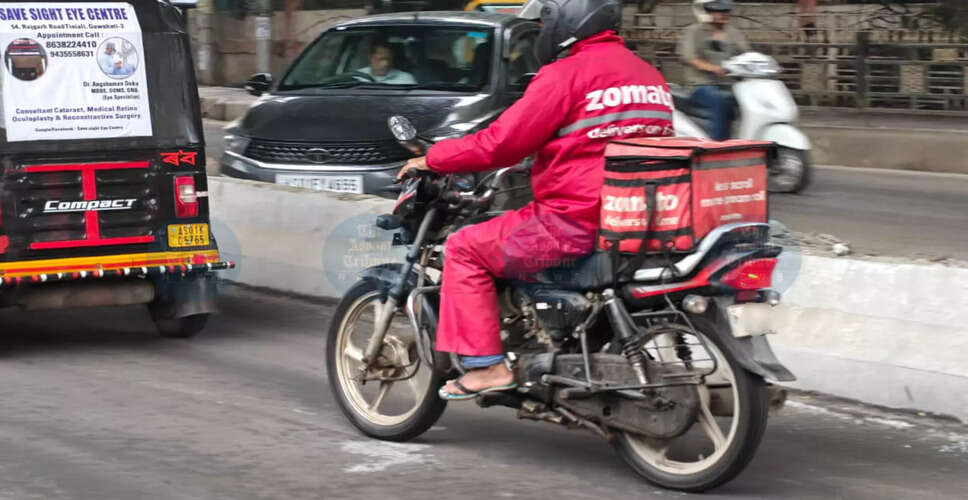

Delivery Riders Navigate Monsoon Obstacles in Guwahati
Many people can choose to stay indoors during monsoon, delivery riders often do not have that option.
As heavy rains hit Guwahati, the city experiences significant slowdowns. Traffic jams become common, drains overflow, and various areas are submerged. While many residents delay their plans, delivery riders persist in their work.
Despite the rain, traffic congestion, and flooded streets, these riders continue to fulfill their delivery commitments. For them, the monsoon season presents not just a challenge but a daily struggle.
A recent instance occurred on April 19, when relentless rainfall inundated large sections of the city for hours. Many individuals found themselves stranded on flooded roads, while others sought refuge on flyovers in lower areas to shield themselves and their vehicles.
Although monsoons are a regular occurrence in Guwahati, the persistent issue of artificial flooding has become a harsh reality. While some can opt to stay indoors during such weather, delivery riders often lack that luxury.
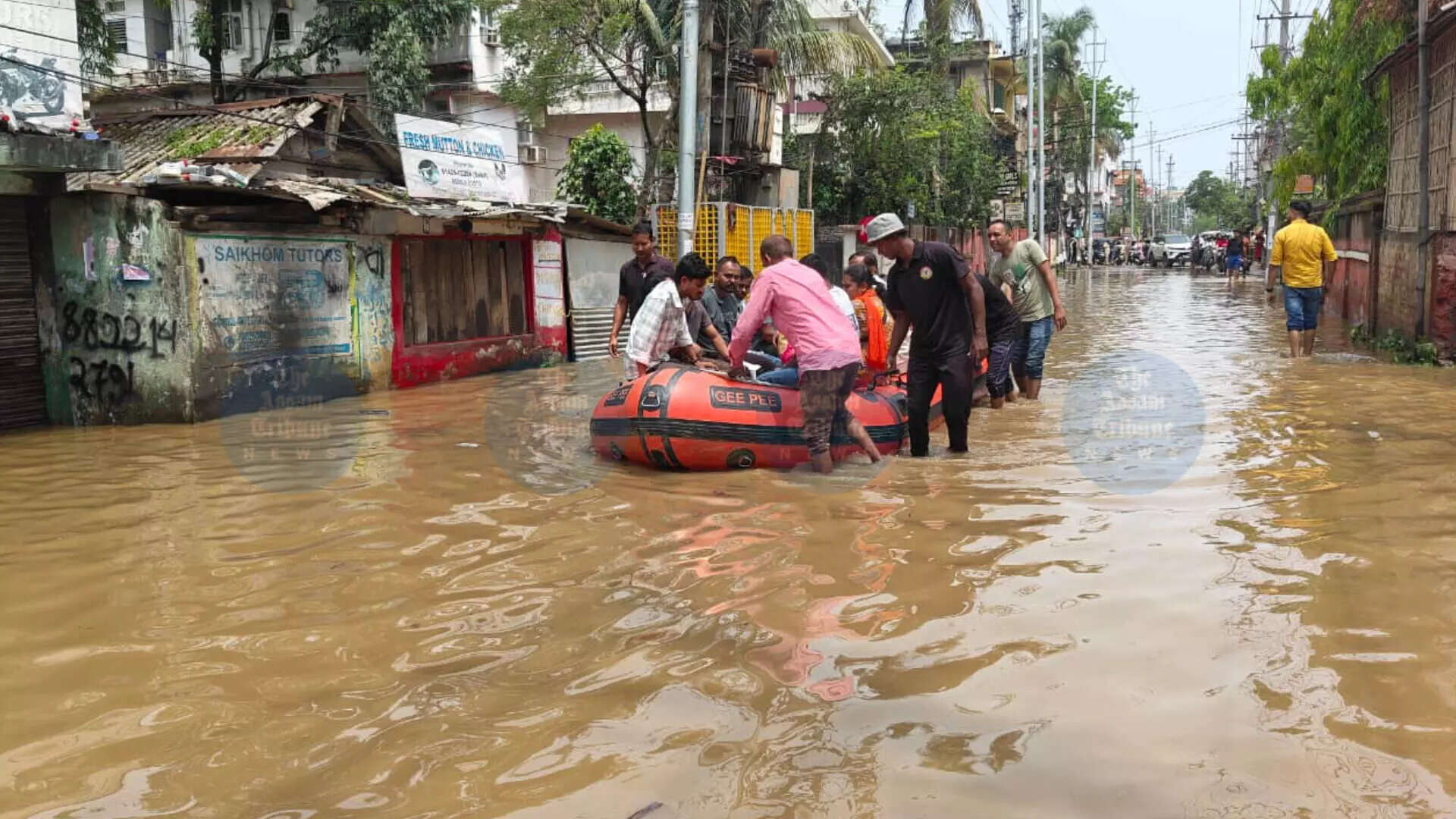
Incessant rainfall on April 19 left large parts of the city inundated for hours.
“Delivering orders in such weather is challenging. If we take alternate routes to avoid floods and end up late, we face penalties,” shared Phul Mohhamad, a delivery agent. “Sometimes our bikes get stuck in flooded roads. Taking longer routes not only delays us but also raises fuel costs, leading to losses.”
Areas like Maligaon, Anil Nagar, Nabin Nagar, and parts of Chandmari often see rapid flooding after heavy rains. For residents in these neighborhoods, stepping out for essentials becomes a challenge, making them reliant on delivery services.
Many believe that customers should be more understanding during severe weather conditions.
“People should consider reducing their orders during heavy rain because delivery agents are human too. If we can’t leave our homes, how can we expect them to deliver food?” remarked Karishma Hazarika, a Noonmati resident.
Conversely, numerous residents argue that delivery services become essential during such times.
“As a bachelor living in a rented space, when I get caught in the rain and return home, I often lack the energy to cook,” explained Bikash Baruah from Chandmari. “In those moments, I order online. I understand it’s tough, but people need to realize that deliveries may take longer.”
For families in flood-prone areas, delivery riders often represent the only viable option during severe waterlogging, especially when roads become impassable.
Riders typically express frustration not towards customers but towards systems that fail to accommodate weather conditions.
“I have no issue with customers ordering food; they are our clients,” Phul Mohhamad added. “However, the company must recognize our challenges.”
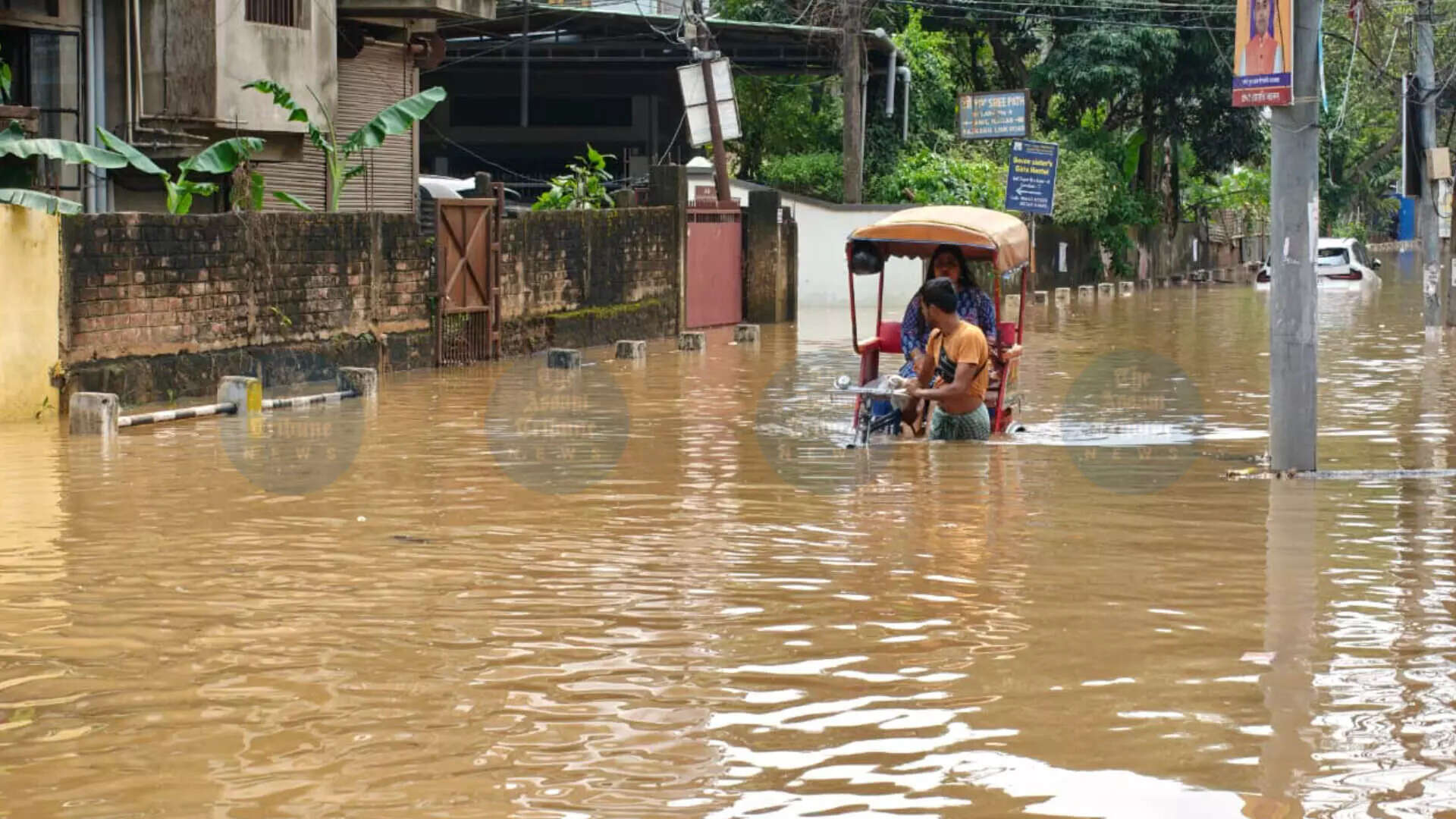
In low-lying areas such as Maligaon, Anil Nagar, Nabin Nagar and parts of Chandmari, roads often get flooded quickly after heavy rain.
Nayan, a former delivery agent for a popular food service, noted that flooding frequently disrupted their work.
“The primary issue we encounter in the city is flooding, which delays our deliveries,” he stated. “While working in Maligaon, people understand the flooding. However, delivering to Amingaon can be challenging as they don’t experience the same problems.”
He emphasized the importance of communication during such circumstances.
“If we notify our executive about the flooding in advance, they can inform the customers, making things a bit easier for us,” Nayan explained.
He also mentioned that team leaders often assist riders in managing delays.
“We share images of our conditions. In such cases, penalties are waived, and the team leader helps manage the situation,” he added.
Nayan also pointed out that companies sometimes provide incentives during adverse weather.
“We receive a rain bonus during such conditions. Even if orders are fewer, working on those days is encouraging because the base pay is low and calculated per kilometer,” he noted. “For young individuals living independently, that extra income is beneficial.”
Nevertheless, the risks remain constant — slippery roads, hidden potholes, stalled engines, and the pressure to deliver promptly.
In a rain-soaked Guwahati, where roads transform into waterlogged pools and traffic crawls, delivery riders persist in their journeys, connecting people with their needs. Their daily experiences raise a crucial question: how much can a city expect from them when it struggles to maintain its own flow?