
Guwahati Prepares for the Annual Ambubachi Mela at Kamakhya Temple
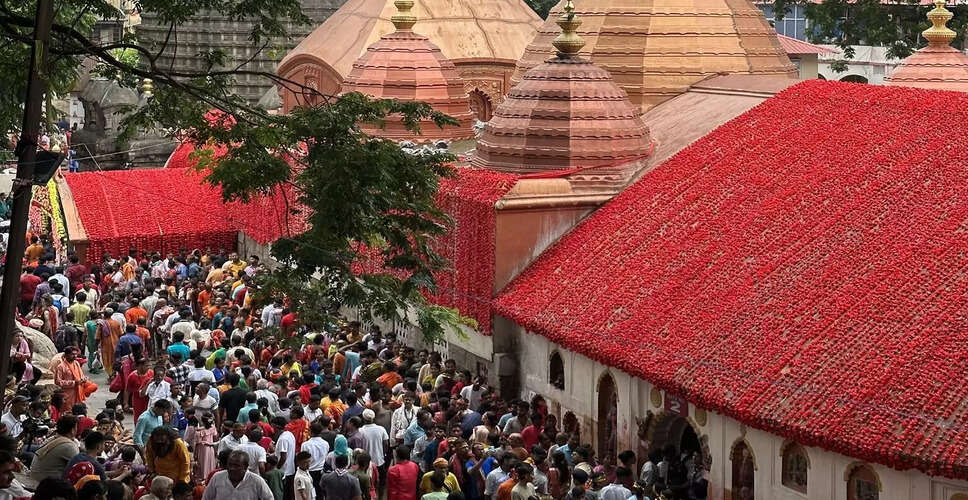
Preparations Underway for Ambubachi Mela
As Guwahati gears up for the much-anticipated Ambubachi Mela, set to take place from June 22 to 26 at the iconic Kamakhya Temple, the city is bustling with activity.
The Assam government has allocated ₹4.55 crore to ensure the successful execution of this significant spiritual gathering, which attracts thousands of pilgrims from all over the nation each year.
With the administrative machinery in full operation—establishing camps, enhancing sanitation, deploying volunteers, and bolstering medical and transport facilities—Guwahati residents are preparing for yet another round of civic challenges.
Historically, the religious splendor of the Ambubachi Mela has often disrupted the city's daily life. Issues such as traffic jams, interrupted commutes, poor sanitation, and encroached public areas have become common during the festival.
Sankov, a local from the Bhootnath area, highlighted the critical issue of insufficient resting areas for pilgrims.
"Devotees camp along major roads, creating bottlenecks. Emergency vehicles struggle to navigate through. The government should designate specific camping zones and establish clear pathways for ambulances and fire services," he stated.
Despite previous attempts to ease traffic flow, not all measures have proven effective.
Traffic and Accommodation Challenges
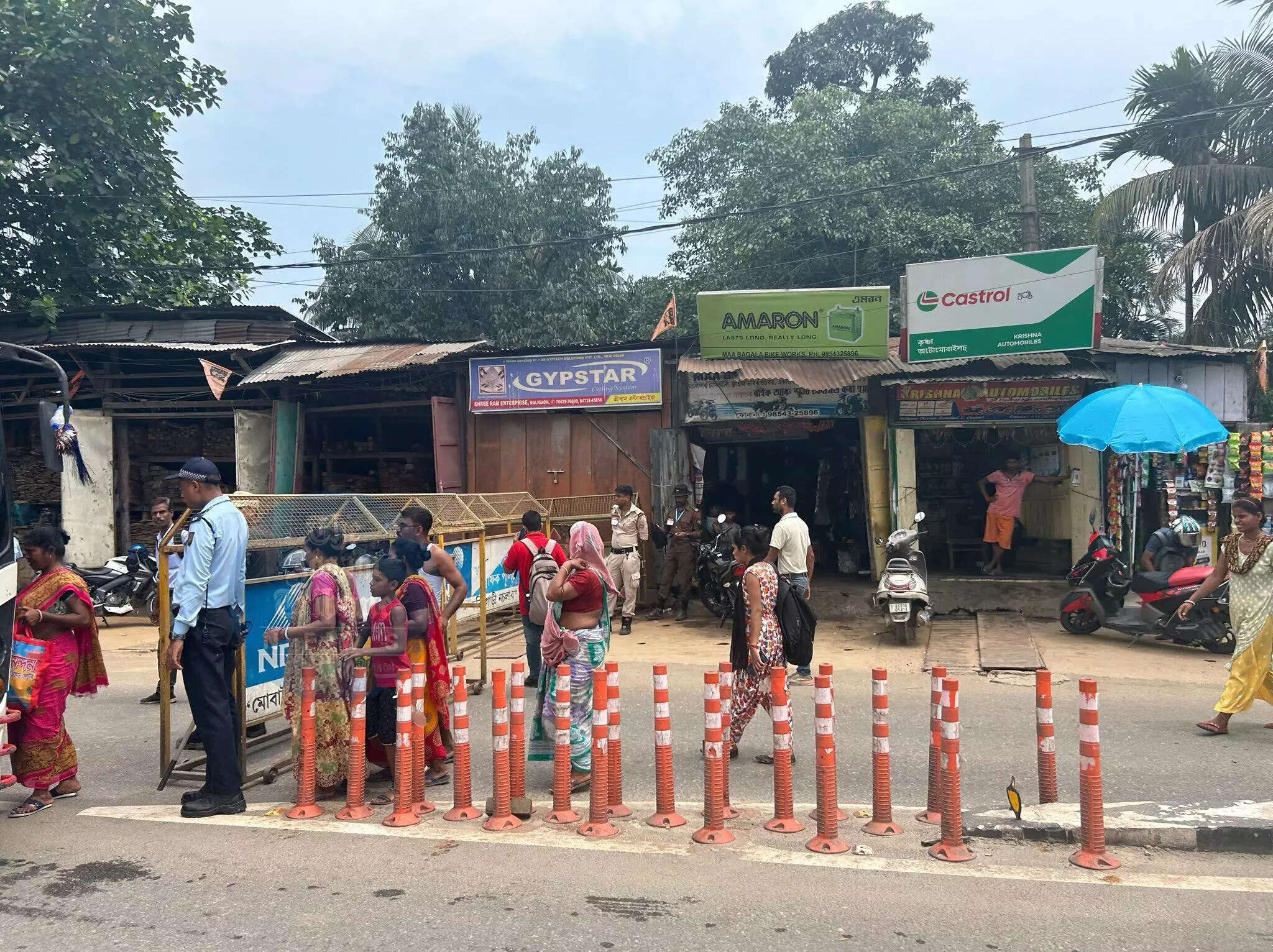
The Guwahati Traffic Police have barricaded the subway along the Nilachal Flyover in the Maligaon area. (Ambubachi Mela 2024)
Anisha T., another local resident, expressed concerns about the newly opened Pandu route, stating it hasn't alleviated the situation. "The main problem is the lack of proper accommodation. Pilgrims often end up sleeping on road medians and littering public spaces. The Bhootnath area remains chaotic with little administrative oversight," she remarked.
College student Arunava Borah described his daily commute as a logistical nightmare during the Mela.
"Traffic increases dramatically. A journey that usually takes 30 minutes can extend to two hours. With exams often coinciding with the festival, students must leave much earlier to arrive on time. The heat exacerbates the situation, leading to heatstroke and dehydration for many commuters," he noted.
Daily commuter Mehzabin Sultana shared similar frustrations, stating, "Overcrowded buses, traffic jams, and route diversions make it challenging to reach work or home. Finding auto-rickshaws and cabs becomes difficult, leading to inevitable delays."
Government's Strategic Planning
Government’s Grand Plan
In light of these anticipated challenges, Assam Chief Secretary Dr. Ravi Kota recently led a high-level review meeting. The Deputy Commissioner of Kamrup (Metro) is tasked with overseeing an inter-departmental strategy aimed at balancing religious devotion with civic order.
New guidelines announced by Chief Minister Himanta Biswa Sarma include the cancellation of VIP or VVIP arrangements this year. Pilgrims will be required to leave their footwear under the Nilachal Flyover before proceeding to the temple, and access to the sanctum will be restricted after 8:30 PM on June 23.
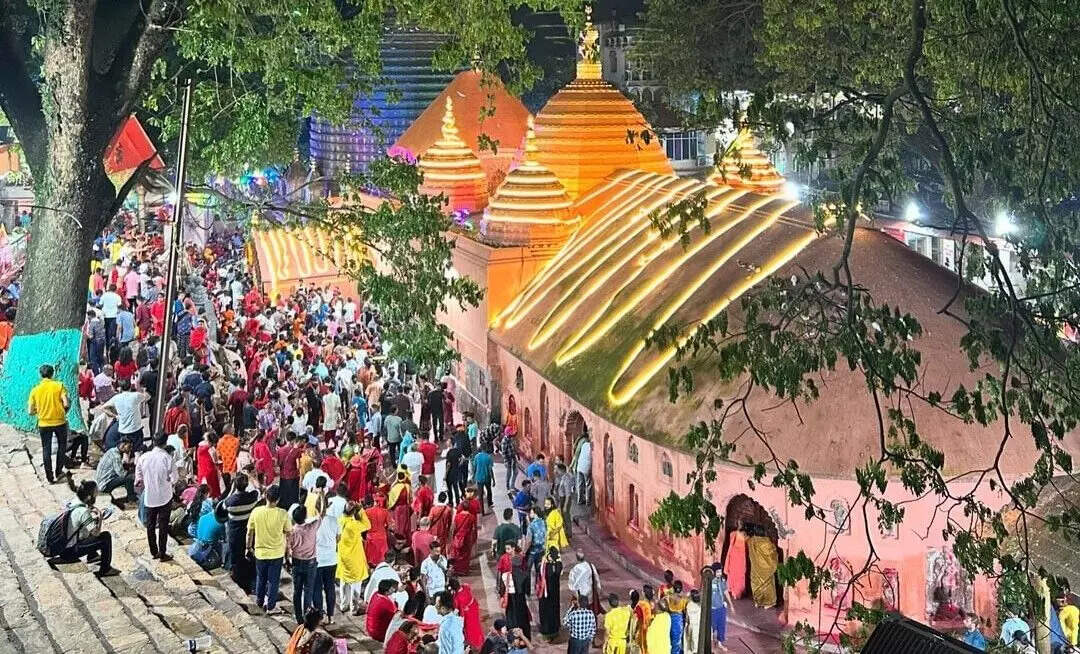
Night view of Ambubachi Mela 2024 (Photo: @TapanKumar6/'X')
Key arrangements include:
- PWD (Building): Camps to be operational by June 20 with fans, lighting, sheds, and signage.
- PHE: Provision of toilets and bathing facilities across designated areas.
- GMC: Responsible for sanitation, drinking water supply, waste management, and road illumination.
- Health & Family Welfare Department: Setting up medical camps, deploying staff, ensuring medicine availability, running 108 ambulances, conducting food safety checks, and providing wheelchairs and stretchers.
- ASTC: Deployment of additional buses.
- Tourism Department: Help desks at camps and railway stations.
- PWD (Roads): Pedestrian pathways from Pandu Point to Kamakhya Hilltop, drain inspections, and monitoring officer deployment.
- APDCL & PWD (Electrical): Ensuring uninterrupted power and inspecting all infrastructure.
- Police, Fire & Emergency Services: Managing crowd control, traffic, CCTV surveillance, and emergency response readiness.
- Doloi of Kamakhya Temple: Coordinating closely with all departments for smooth execution of rituals and movement.
As Guwahati welcomes thousands of devotees, the city's ability to manage this spiritual influx without overwhelming urban life will be put to the test. The success of Ambubachi Mela 2025 will hinge on the coexistence of faith and functionality.
Traffic Congestion During the Festival
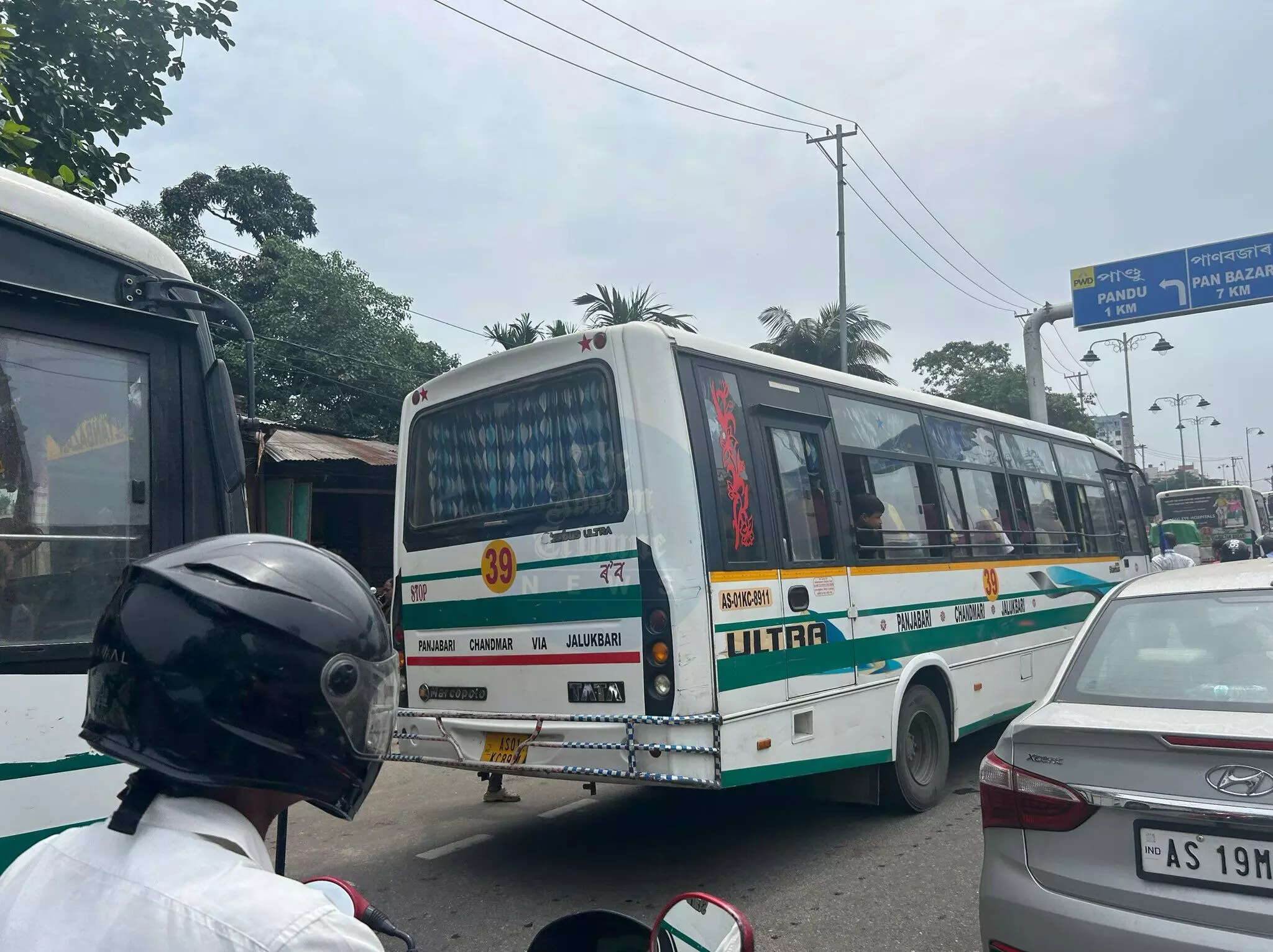
Traffic congestion during Ambubachi Mela 2024.