
Gulf Allies Urge Continued US Military Action Against Iran
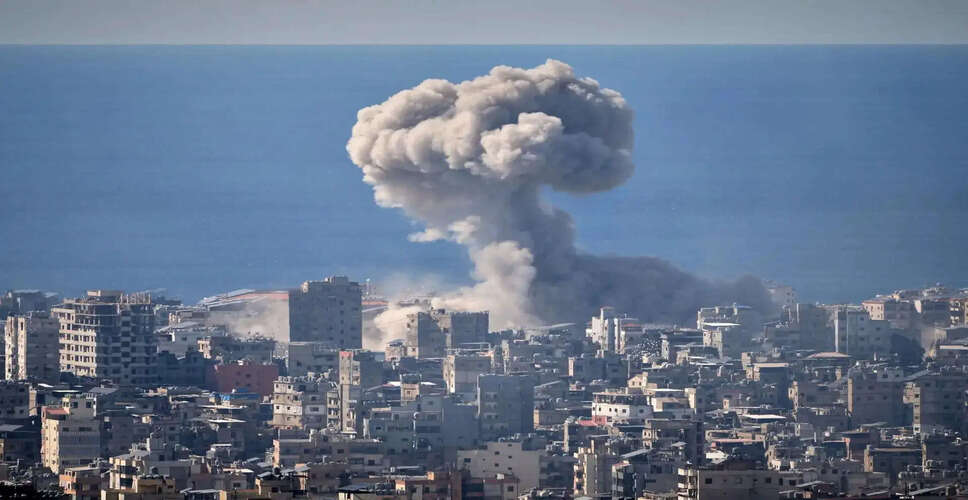
Gulf Nations Advocate for Ongoing Conflict
Traditional allies of the United States in the Middle East are pressing President Donald Trump to maintain military operations against Iran. Key Gulf partners, particularly Saudi Arabia and the United Arab Emirates (UAE), have expressed privately that they believe Tehran remains insufficiently weakened. Following initial concerns about the lack of advance notice regarding the US-Israeli military actions, these allies are now arguing that the current situation presents a unique chance to decisively undermine Iran's clerical regime, according to reports.
Officials from Saudi Arabia, the UAE, Kuwait, and Bahrain have indicated in private discussions that they prefer the military campaign to persist until there are substantial changes in Iran's leadership. They have suggested that a significant alteration in Iran's conduct is necessary before considering a cessation of hostilities. Among these nations, the UAE has taken a particularly aggressive stance, advocating for Trump to initiate a ground invasion, as noted by a diplomatic source.
Saudi Arabia has conveyed to the US that halting the conflict at this juncture would not yield a favorable outcome, one that would ensure the security of Iran's neighboring Arab states. In contrast, Oman and Qatar, which have historically acted as intermediaries between Iran and the West, are leaning towards a diplomatic resolution.
On Monday, US Secretary of State Marco Rubio emphasized the alignment between the US and its Gulf Arab partners regarding Iran. When questioned about the Gulf allies, Trump remarked, "Saudi Arabia is pushing back strongly. Qatar is pushing back. UAE is pushing back. Kuwait is pushing back. Bahrain is pushing back." He noted that while these Gulf nations host US military forces and bases from which operations against Iran are launched, they have not actively participated in the offensive strikes. Recently, Iran has retaliated by targeting several bases.