
Government Withdraws Subpoenas for New York Times Reporters Amid Legal Scrutiny

Subpoenas Withdrawn After Judicial Criticism
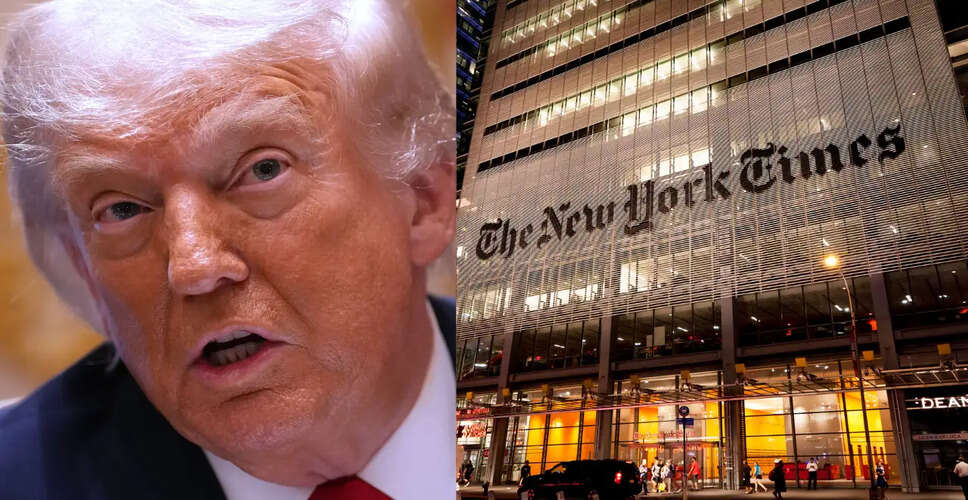
On Thursday, a federal judge expressed frustration over the government's handling of legal matters, leading to the withdrawal of subpoenas that would have forced three reporters from the New York Times to disclose their sources regarding articles about President Donald Trump's Air Force One jet, which was gifted by Qatar. This decision came during a tense exchange in U.S. District Court, where Judge Arun Subramanian confronted government attorneys over their aggressive tactics against media outlets.
The Justice Department's retraction highlights a broader trend of the Trump administration's attempts to target news organizations that publish unfavorable reports while simultaneously attempting to curb internal leaks. This incident follows similar withdrawals of subpoenas aimed at journalists from The Washington Post and The Wall Street Journal concerning separate national security matters.
Judge Subramanian emphasized that subpoenas should only be a last resort in investigations involving journalists, citing First Amendment protections. He criticized the government's approach, stating that it seemed to disregard established legal protocols.
Government's Legal Missteps Under Scrutiny
During the hearing, the judge pointed out that the government must exhaust all other avenues before resorting to subpoenas for journalists. Sean Buckley, a lawyer for the Justice Department, described the errors as unintentional and apologized for subpoenas that sought phone records from the reporters' family members.
Despite the government's attempts to keep the proceedings confidential, the hearing was public, allowing senior Times officials to observe the proceedings. The newspaper's legal team challenged the legitimacy of the subpoenas, which raised concerns about the extent of the Justice Department's investigation.
David McCraw, the Times' chief legal officer, remarked that the judge's ruling reaffirmed the importance of press freedom, stating that the subpoenas should never have been issued in the first place.
Context of the Investigation
The investigation centers around a new Air Force One jet, which the Trump administration upgraded at a cost of $400 million. Reports indicated that Trump opted for an older model during a recent NATO summit due to security concerns raised by the Secret Service. The Times reported that the newer aircraft lacked certain advanced security features.
In their defense, the Times argued that the subpoenas were issued in bad faith, as they sought records dating back to January, well before the articles were published in July. They contended that the government's actions indicated a broader fishing expedition for information about the journalists' sources.
The Justice Department maintained that the subpoenas were justified, asserting that the reporters were not the targets but rather those leaking classified information. They claimed compliance with regulations in issuing the subpoenas and stated that they had informed the journalists' lawyers to allow for challenges.
During the hearing, Judge Subramanian humorously noted the absurdity of an FBI agent serving a subpoena to a journalist while he was watching a family-friendly movie, highlighting the government's missteps in this case.