
Government to Establish Fast-Track Courts for Exam Paper Leak Cases
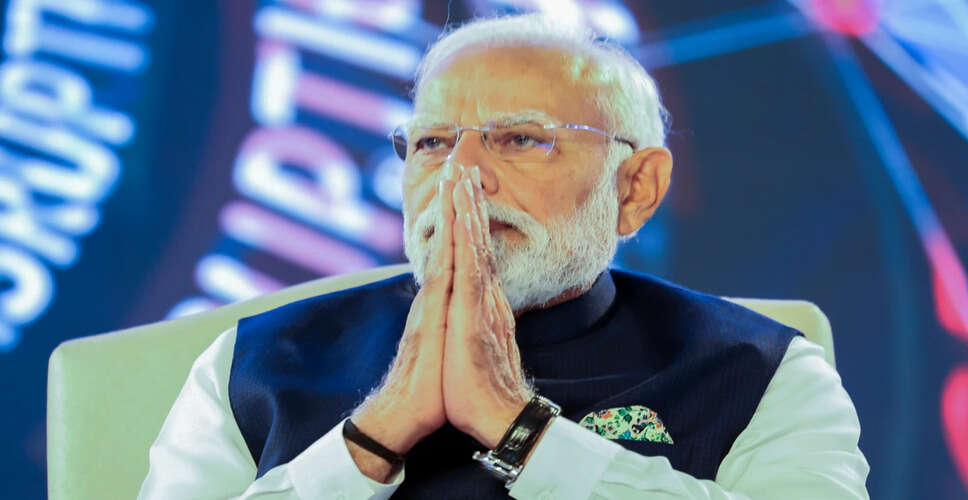

Prime Minister's Commitment to Swift Justice
Following Prime Minister Narendra Modi's announcement regarding the establishment of fast-track courts to expedite hearings and impose strict penalties for exam paper leak cases, Union Law Minister Arjun Ram Meghwal stated on Friday that this initiative aims to ensure timely justice for the youth through daily hearings.
Proposed Changes in New Draft Law
Meghwal highlighted that discussions on the paper leak issue took place on Thursday, marking the government's decision as a significant step towards ensuring justice. He elaborated on several key points that will be included in the proposed new draft law.
Significance of Fast-Track Courts
"The Prime Minister's decision to conduct hearings of pending paper leak cases in specially designated fast-track courts is crucial. This will involve daily hearings, expedited trials, and timely investigations, ultimately providing justice to the youth. This is a monumental decision, and discussions continued throughout the day," the minister remarked. He also mentioned that climate activist Sonam Wangchuk has ended his hunger strike, indicating ongoing dialogues with the government.
Government Open to Dialogue with Protesters
In response to demands for parliamentary discussions on paper leaks, Meghwal noted that Parliamentary Affairs Minister Kiren Rijiju has already clarified the government's readiness for dialogue. The law minister urged the opposition to allow parliamentary proceedings to continue so that important bills can be discussed. He stated, "If you wish to discuss paper leaks first, our Parliamentary Affairs Minister has already indicated that we can address that matter first. However, they are citing rules and insisting on discussions under '267' in the Rajya Sabha while being firm on '56'. Why impose conditions on discussions? Let's talk about the number of states affected by paper leaks, the actions taken, and those involved—this should be transparent to the public, and the government desires the same."
Criticism of Opposition's Stance on NEET
Earlier, Union Minister Bhupender Yadav criticized the opposition for adopting an "aggressive stance" on the NEET issue, suggesting that the matters raised could have been discussed through the Business Advisory Committee and later in Parliament. Speaking to the media, Yadav stated that the government had invited the opposition for discussions and urged them to avoid "unnecessary politics" and instead focus on the future of students and the education system. He emphasized, "I believe the opposition should refrain from engaging in unnecessary politics, heating up the atmosphere, and exploiting situations for minor political gains. Parliament is a significant platform for comprehensive discussions."