
Government Takes Action Against LPG Hoarding Amid Panic Buying: What You Need to Know
Government's Response to LPG Hoarding
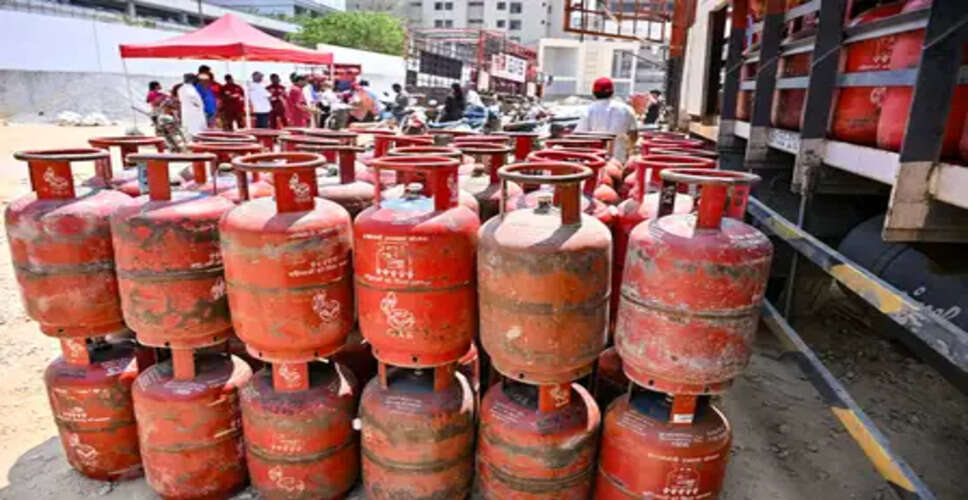
The government announced on Tuesday that it has executed 12,000 inspections and confiscated over 15,000 LPG cylinders to combat hoarding, which has been fueled by rumors of shortages and panic purchases. Officials emphasized that there is no actual shortage of LPG supplies nationwide.
Sujata Sharma, the Joint Secretary for Marketing and Oil Refinery at the Petroleum and Natural Gas Ministry, reassured the public that the availability of LPG is sufficient despite the surge in demand.
On Monday alone, approximately 70,000 bookings were recorded due to panic buying. Sharma urged consumers to refrain from unnecessary bookings and to explore alternative arrangements when possible.
She highlighted the significant shift towards digital platforms, noting that nearly 94% of domestic LPG bookings are now made online. Sharma encouraged consumers to continue utilizing these online services and to avoid contributing to panic-driven demand.
Additionally, she reported that compliance with the Delivery Authenticity Code (DAC) has risen to 76%.
Sharma also mentioned that several states, including Bihar, Delhi, Haryana, Rajasthan, Manipur, Gujarat, Himachal Pradesh, Karnataka, and Uttarakhand, are taking measures to allocate non-domestic LPG for essential services.
In related news, Rajesh Kumar Sinha, the Special Secretary for Shipping, confirmed that all 22 vessels and Indian crew members in the Gulf region are safe.
He also stated that 161 Indian nationals have been repatriated in the last 24 hours.
Regarding incoming supplies, Sinha noted that the LPG carrier Nanda Devi docked at Kandla port early Tuesday morning. He explained that cargo is being transferred from larger vessels to smaller ships for further distribution, following the arrival of another LPG carrier, Shivalik, at Mundra port on Monday.
These shipments arrive at a critical time as global energy markets are experiencing disruptions due to the ongoing conflict in Iran, raising concerns about LPG availability.
Furthermore, the government has begun sourcing LPG from various global channels, including the United States, to diversify its supply amid the ongoing Middle East tensions.