
Government Refutes LPG Refill Booking Timeline Changes
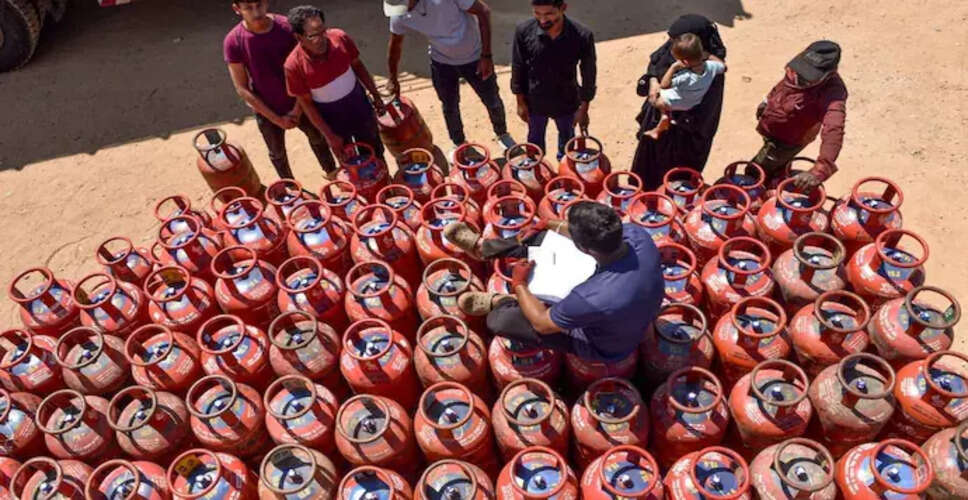
Clarification on LPG Refill Booking Norms
New Delhi, March 25: On Wednesday, the government rejected claims regarding modifications to the LPG refill booking schedule, labeling them as misleading and baseless.
The Ministry of Petroleum and Natural Gas (MoPNG) emphasized that there have been no alterations to the current refill booking regulations for LPG connections.
Reports circulating in the media and on social platforms suggested that the booking timelines had been changed to 45 days for beneficiaries of the Pradhan Mantri Ujjwala Yojana (PMUY), 25 days for single-cylinder users not under PMUY, and 35 days for double-cylinder non-PMUY consumers.
The official statement clarified, "No such changes have been made," reaffirming that the existing timelines remain intact.
According to the current guidelines, LPG refills can be ordered after 25 days in urban regions and 45 days in rural areas, regardless of the connection type.
The government urged the public to refrain from believing or sharing such misinformation to prevent unnecessary panic regarding LPG refill bookings.
It also reassured citizens that there are sufficient LPG stocks nationwide, alleviating any concerns.
All domestic refineries are functioning at optimal capacity with ample crude reserves. The production of domestic LPG has risen, and stocks of petrol and diesel are adequate, as stated by the government.
Additionally, the government confirmed that vessels transporting crude oil and LPG have arrived from various countries, and it is actively implementing contingency measures to ensure a steady supply.
Furthermore, Bharat Petroleum Corporation Limited (BPCL) dismissed rumors about fuel shortages in certain regions as entirely unfounded.
"There is no fuel shortage across the country. India is a net exporter of petrol and diesel," the company stated.
The Centre has also established seven empowered groups of officials and experts to address the economic impact of the Iran conflict on various sectors, including oil, gas, fertilizers, supply chains, and inflation.