
Government Prepares for Women's Reservation and Redistricting Discussions in Parliament
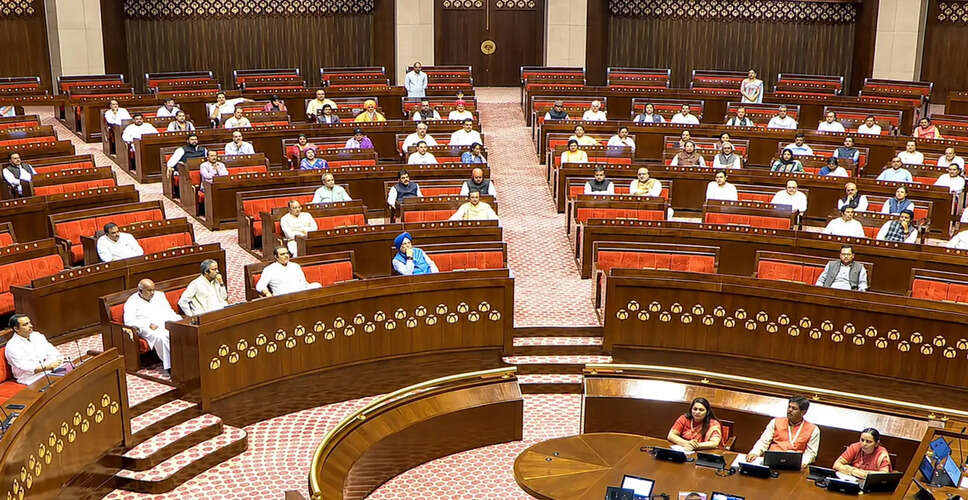

Political Discussions Intensify Over Women's Reservation
The conversation surrounding the allocation of 33% reservation for women in politics and the redistricting of Lok Sabha seats has gained momentum once again. With the possibility of a special parliamentary session being convened, political activity has surged regarding the proposed bills related to women's reservation and redistricting. Should the government proceed with these initiatives, a significant debate between the ruling party and the opposition may unfold in Parliament. However, clarity on the situation will depend on the official announcement regarding the date of the special session and the final drafts of the bills.
What Preparations Are Being Made for the Women's Reservation Law?
In an effort to enhance women's representation in Parliament and state legislatures, the central government enacted the Nari Shakti Vandan Act in 2023. This legislation mandates that one-third, or 33%, of the seats in the Lok Sabha, state assemblies, and the Delhi assembly be reserved for women. This reservation also extends to seats allocated for Scheduled Castes and Scheduled Tribes. However, the implementation of this law is contingent upon the census and subsequent redistricting, leading to ongoing discussions about when the reservation will take effect and in which elections it will be applicable. If the government introduces a new bill to amend the law or expedite its implementation, the details and provisions will be crucial.
Will a Special Session Be Called for Redistricting?
Political discussions are underway regarding the potential calling of a special parliamentary session to address issues related to redistricting and women's reservation. The decision to convene such a session is made by the central government, and clarity on the topics to be discussed will emerge only after the official announcement of the date and agenda. If bills concerning women's reservation and redistricting are presented during this session, the proceedings will attract nationwide attention. Key discussion points may include the objectives of these proposals, their legal implications, and the potential impact on representation across various states.
Understanding Redistricting and Its Implications
Redistricting refers to the redefinition of the boundaries of Lok Sabha and assembly constituencies and their associated representation. This process is conducted under established constitutional and legal frameworks. Through redistricting, changes can be made to constituency boundaries and representation arrangements. This topic has been a point of contention among political parties for a long time. Some parties express concerns that the reallocation of Lok Sabha seats could disrupt the balance of political representation among different states. Additionally, the role of redistricting in the implementation of women's reservation adds to its significance.
The Opposition's Role Will Be Crucial
To pass any constitutional amendments related to women's reservation and redistricting, a special majority in Parliament is required. Therefore, the stance of opposition parties will be critical. The government may face challenges in discussing the provisions of the bill and garnering necessary support. The opposition may raise questions regarding the prompt implementation of women's reservation, the basis for redistricting, and representation among states. This could lead to heightened political debates between the ruling party and the opposition.
When Will Women Benefit from the 33% Reservation?
The timeline for the implementation of the women's reservation law remains one of the most pressing questions. The law passed in 2023 links the reservation to the census data that will be published following the redistricting process. Consequently, the actual implementation will depend on legal provisions and subsequent government actions. Currently, there is anticipation for official information regarding the potential special session and proposals related to redistricting. If the government takes any new steps in this direction, it could significantly impact the process of implementing women's reservation.
Conclusion
The issues of women's reservation and redistricting are of paramount importance in the political landscape of the country. On one hand, there is a goal to increase women's representation in legislative bodies, while on the other, there are constitutional and political questions surrounding the reallocation of Lok Sabha seats. The situation will become clearer once the special session is convened and new bills are introduced, revealing the government's strategy and when women can expect to benefit from the 33% reservation.