
Government Forms Committee to Tackle Digital Arrest Scams in India
Formation of a High-Level Committee
The Union government has notified the Supreme Court about the establishment of a high-level inter-departmental committee aimed at thoroughly investigating all aspects of digital arrests in India, as reported by a leading news outlet on Tuesday.
This committee is chaired by the special secretary for internal security from the Union Ministry of Home Affairs.
Committee Meetings and Participants
So far, the committee has convened three times, with the most recent meeting occurring on January 6, which included representatives from major online platforms such as Google, WhatsApp, Telegram, and Microsoft.
The initial meeting took place in December, followed by a virtual discussion on January 2 that involved officials from the Indian Cyber Crime Coordination Centre, the Reserve Bank of India, the Department of Telecommunications, and the Ministry of Electronics and Information Technology.
Supreme Court Hearing and Committee Purpose
The Supreme Court received updates about this committee in a status report prior to a scheduled hearing on Tuesday.
The multi-agency committee was initiated following a directive from a bench led by Chief Justice Surya Kant on December 1, which instructed the Central Bureau of Investigation to address the issue of 'digital arrest' fraudsters, as reported by another media source.
Understanding Digital Arrest Scams
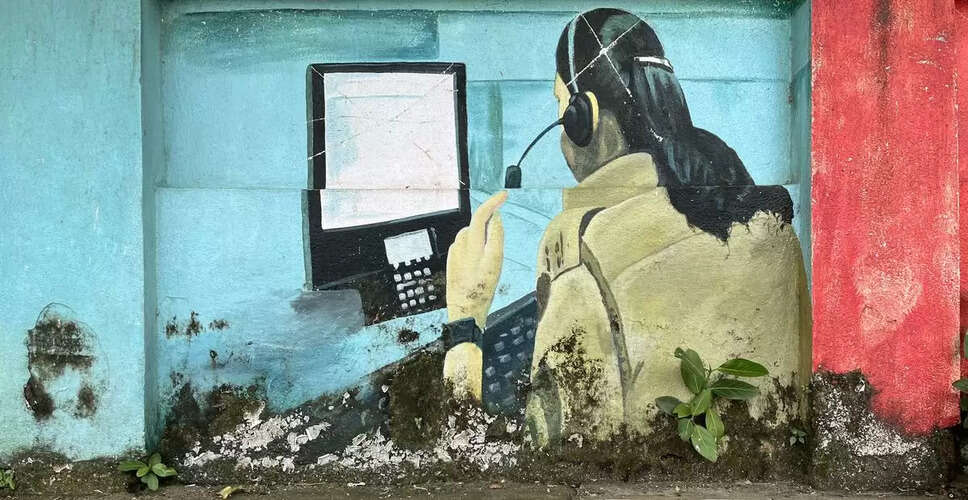
In these scams, criminals typically impersonate law enforcement officials, often donning uniforms and making video calls from locations designed to mimic government offices or police stations. They extort money from victims under the pretense of facilitating a 'compromise' or 'closure of a case.'
In certain instances, victims are subjected to 'digital arrests,' with scammers insisting that they remain visible until their demands are satisfied.
Court's Reaction and Future Steps
The court expressed astonishment at the significant sums of money that digital arrest scammers have managed to extract from individuals in India.
In its report, the Union government indicated that the committee would meet regularly to ensure timely and coordinated actions.
The government requested at least a month to gather input from all committee members, conduct additional meetings, and present a comprehensive outcome to the court.
Statistics on Cyber Crimes
In December, the Union home ministry informed Parliament that the National Crime Records Bureau collects data on crimes but does not maintain specific statistics on digital arrest scams.
The ministry revealed that between 2022 and February 2025, Indians lost approximately Rs 2,576 crore to digital arrest scams and related cyber crimes.
The Indian Cybercrime Coordination Centre reported that 46% of cyber fraud incidents from January to April 2024 originated from countries like Cambodia, Laos, and Myanmar.
Insights into Cyber Crime Syndicates
In January 2025, a series of in-depth reports highlighted the operations of Chinese crime syndicates that manage cyber crime centers in Southeast Asia, particularly in Cambodia, Myanmar, and Laos. These sophisticated 'scam compounds' employ thousands of individuals, many of whom are lured from India with false job offers and subsequently coerced into participating in scams targeting their fellow citizens.