
Government Defends Temporary Ban on Telegram Amid NEET Exam Fraud Concerns

Government's Justification for Telegram Ban
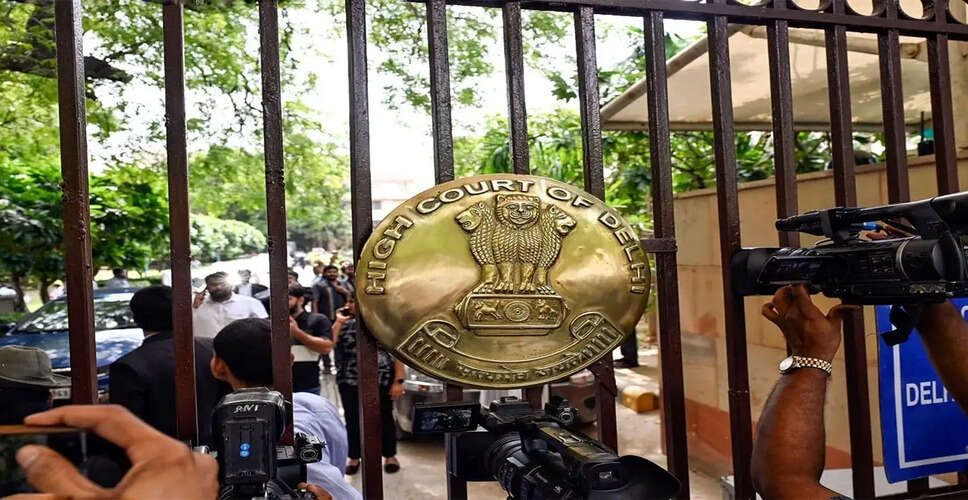
On Thursday, the central government staunchly defended its decision to temporarily block Telegram in India until June 22. During a hearing at the Delhi High Court, officials explained that the unique architecture of the messaging platform had facilitated organized fraud during the NEET re-examination process, making the government's precautionary measure entirely justified. Solicitor General Tushar Mehta and Attorney General R. Venkataramani represented the government, arguing that the challenge posed by Telegram was unfounded and that the temporary ban was essential to maintain the integrity of a national-level examination affecting millions of students.
Additional Solicitor General Chetan Sharma and lawyer Ashish Dixit were present on behalf of the Central Government's Standing Council during the proceedings.
Court Proceedings and Arguments
After hearing detailed arguments from both Telegram and the government, Justice Tejas Karia reserved the order on the platform's petition challenging the blocking order issued under Section 69A of the Information Technology Act. Defending the government's action, Solicitor General Tushar Mehta stated that the blocking order was issued following due process and had been reviewed by a committee led by the Cabinet Secretary. He emphasized that there was substantial evidence of the platform's misuse related to unfair means in examinations, urging the court to consider the broader public interest involved.
Supporting the government's stance, the Attorney General remarked that the order was "comprehensive in itself" and adequately documented all reasons necessitating intervention. He argued that Telegram's challenge was baseless, rooted in the principle of proportionality, and highlighted the platform's structure as a complicating factor. Venkataramani stressed the need for the government to act before further damage occurred.
Response to Comparisons with Other Platforms
In response to Telegram's argument that similar restrictions were not imposed on other social media and messaging platforms, the Attorney General countered that such comparisons were misguided. He clarified that the government had not taken action against other intermediaries because they had their own filtering and moderation systems in place.
SG Tushar Mehta informed the court, "We have not interfered with any other intermediaries. They are more powerful, but we have not acted against them because they have their own filtering methods." Senior Advocate Dhruv Mehta, representing Telegram, challenged the blocking order as excessive and unconstitutional, arguing that it was unjustifiable to shut down a widely used communication service based on the alleged misuse by a few users. He noted that Telegram was cooperating with authorities and taking action against channels and groups violating the law.