
Government Boosts LPG Supply for Migrant Workers: What You Need to Know
Increased LPG Allocation for Migrant Labourers
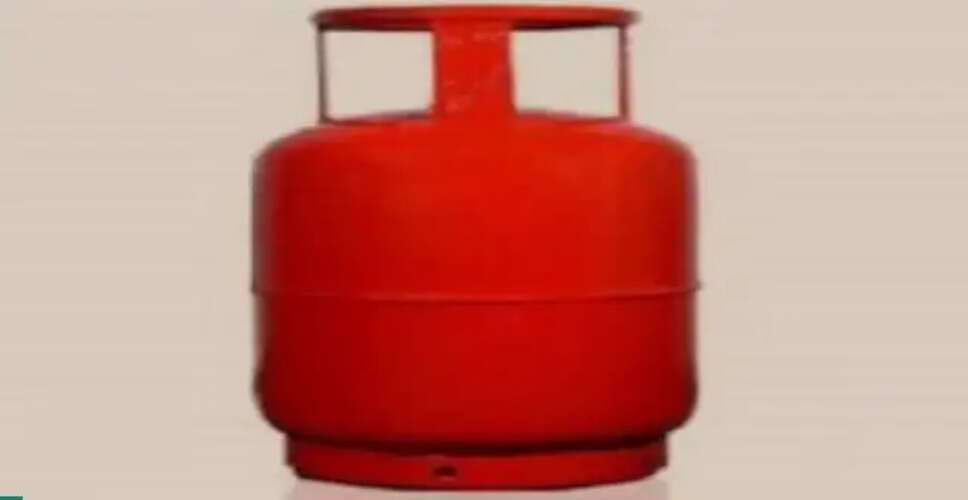
New Delhi: The central government has announced a significant increase in the daily distribution of 5-kg free trade LPG (FTL) cylinders for migrant workers across various states, as per an official statement.
According to the Petroleum Ministry's notification, this enhanced allocation will be determined by the average daily supply of cylinders provided to these workers.
This new allocation surpasses the previous limit of 20 percent set in a March announcement.
The additional 5-kg FTL cylinders will be allocated to state governments and their Food and Civil Supplies Departments, specifically for distribution to migrant labourers, with support from oil marketing companies (OMCs).
Previously, the government emphasized its commitment to ensuring sufficient supplies of petrol, diesel, and LPG in light of the current geopolitical climate, urging citizens to refrain from panic buying and to rely on official channels for updates.
Consumers are also encouraged to utilize digital platforms for LPG bookings to reduce unnecessary visits to distributors.
The government has prioritized the supply of domestic LPG and PNG, along with essential sectors like healthcare and education.
Several measures have been implemented to manage demand and supply, including increasing refinery output and extending LPG booking intervals to 25 days in urban areas and up to 45 days in rural regions.
To alleviate the demand for LPG, alternative fuels such as kerosene and coal have been made accessible, and states have been advised to expand PNG connections.
Officials have confirmed that there has been no disruption in LPG supply for migrant workers.
Recent data indicates that approximately 51 lakh domestic LPG cylinders were delivered, with online bookings reaching 95 percent and a notable increase in delivery authentication-based distribution to prevent diversion.