
Government Approves Major Highway Projects to Enhance Connectivity in India
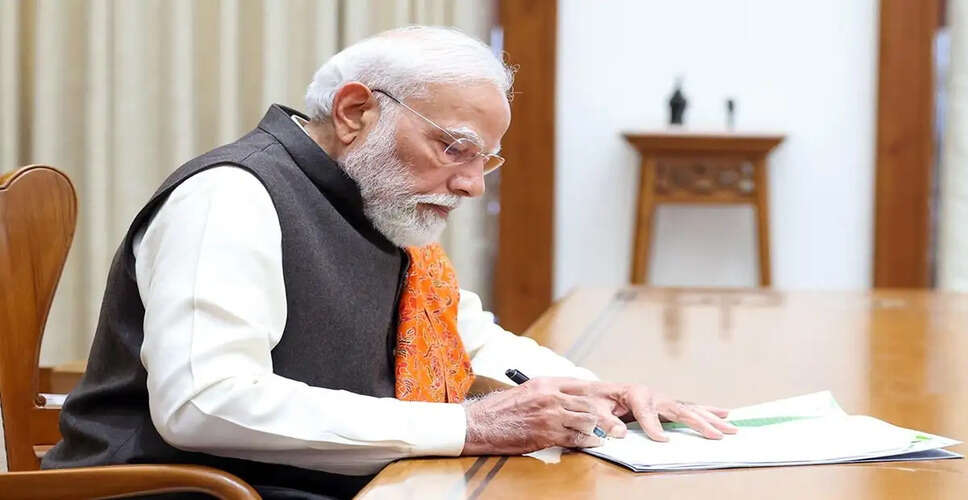

Cabinet Meeting Led by Prime Minister Modi Approves Key Infrastructure Projects
In a significant cabinet meeting chaired by Prime Minister Narendra Modi, two crucial decisions were made today. Information and Broadcasting Minister Ashwini Vaishnaw shared details with the media, announcing the government's approval for two major national highway projects aimed at bolstering modern and rapid road connectivity across the country. These initiatives are expected to enhance connectivity, traffic management, industrial growth, and economic activities between Delhi, Uttar Pradesh, and Madhya Pradesh.
Dwarka Expressway Project Approved
The cabinet has sanctioned a national highway project that will connect the Dwarka Expressway to Nelson Mandela Marg in Vasant Kunj, Delhi. This six-lane tunnel project, spanning approximately 8.1 kilometers, will incur a total expenditure of ₹6,969.67 crores. It will be developed under the Hybrid Annuity Mode.
Benefits of the Project
According to the government, this project will significantly expedite and ease travel between West and South Delhi. It will particularly benefit commuters traveling from Gurugram, Dwarka, Indira Gandhi International Airport, and West Delhi to South Delhi. The project includes the construction of a dual underground tunnel, minimizing surface disruption and ensuring the preservation of the Southern Ridge forest area, with about 1.98 kilometers of the route passing beneath this region.
New Elevated Corridor Proposal
The National Highways Authority has also proposed an elevated corridor between AIIMS and Mahipalpur. This route will connect to the Barapullah elevated road, enhancing connectivity to Ghaziabad and Noida from West, South, and East Delhi. The tunnel will commence from Shiv Murti Interchange and conclude before the intersection of Nelson Mandela Marg and Mahipalpur-Chhatarpur Road.
Additional Infrastructure Developments
To alleviate traffic congestion, an elevated road approximately 1.8 kilometers long will be constructed on Nelson Mandela Marg, along with an additional flyover towards Mahipalpur from Chhatarpur. A high U-turn is also proposed to facilitate right-turn traffic towards Chhatarpur. The project encompasses a 3.14-kilometer tunnel, nearly one kilometer of access roads, elevated sections, and standard road segments.
Employment Opportunities and Economic Growth
The Modi government estimates that this project will generate around 754,000 direct and 980,000 indirect job opportunities. Additionally, the increase in economic activities in surrounding areas is expected to create further employment.
Kanpur to Kabrai Highway Project Approved
The cabinet also approved the construction of a controlled-access greenfield highway from Kanpur to Kabrai in Uttar Pradesh, which can be expanded to six lanes in the future. This 117.7-kilometer project, part of National Highway 34, is a vital segment of the Bhopal-Kanpur Economic Corridor, with a total cost of ₹7,145.14 crores, and will be developed under a toll-based system.
Enhanced Connectivity and Travel Time Reduction
This project will provide fast and seamless connectivity between Kanpur and Kabrai, strengthening links to Sagar, Bhopal, and other regions of Madhya Pradesh. It will improve the connection between Uttar Pradesh's industrial and commercial hubs and Madhya Pradesh's mineral, manufacturing, and agricultural sectors. Designed for speeds of 80 to 100 kilometers per hour, this corridor will reduce travel time between Kanpur and Kabrai from three and a half hours to just one and a half hours.
Integration with Existing Infrastructure
The project will connect with National Highways 34 and 35, the Bundelkhand Expressway, the Kanpur Ring Road, and various state highways, facilitating easier access to the Kabrai mining area and expediting the transport of minerals, industrial goods, construction materials, and agricultural products. This initiative aligns with the Prime Minister's Gati Shakti National Master Plan, enhancing connectivity among industrial zones, social centers, and transport hubs. Vaishnaw noted that the project will create approximately 12 million direct and indirect job opportunities during construction, while also bolstering industrial development, trade, transport, and economic progress in Bundelkhand and surrounding areas.
Conclusion
Overall, these cabinet decisions are viewed as significant steps towards modernizing and enhancing India's road infrastructure. The projects in Delhi and Uttar Pradesh are expected to improve traffic management while also fostering industrial growth, trade, tourism, and job opportunities. The government believes that these initiatives, developed in line with the Prime Minister's Gati Shakti plan, will accelerate regional economic development and strengthen the country's overall connectivity in the coming years.