
Government Addresses Maternal Mortality Concerns in Rajasthan

Minister's Commitment to Maternal Health
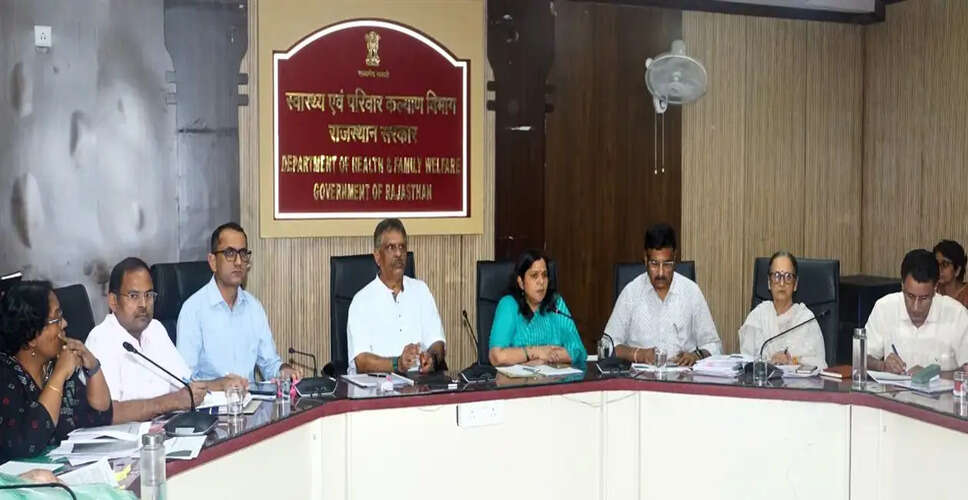
In Jaipur, Health Minister Gajendra Singh Khinsar expressed deep concern regarding maternal mortality rates in the state. He highlighted that factors such as anemia, high blood pressure, postpartum hemorrhage, and nutritional deficiencies have contributed to maternal deaths in Kota, Bikaner, Bhilwara, and Banswara, where cases were referred to government hospitals.
During a meeting with gynecologists at the health building, Khinsar noted a steady decline in maternal mortality rates. The figures show a decrease from 1,094 in 2023-24 to 986 in 2024-25, and further down to 824 in 2025-26, indicating a nearly 25% reduction during the current government's tenure.
He voiced his worries over the rapid occurrence of maternal deaths, assuring that the state government is taking each incident seriously and is committed to enhancing maternal health services. He recalled a tragic incident in 2011 in Jodhpur, where 18 mothers died within three days due to a common cause, contrasting it with the current situation where the recent deaths stem from various high-risk factors.
Khinsar engaged in a video conference with doctors from Mahatma Gandhi Hospital in Banswara and Bhilwara to discuss maternal cases in detail. He also held discussions with heads and principals from Bikaner and Kota regarding individual maternal cases.
He emphasized that the department is facing challenging times and urged strict adherence to protocols while enhancing the monitoring of antenatal care. He instructed that measures be taken to prevent infections in hospitals.
Additionally, he suggested that doctors from smaller hospitals act as mentors for those referring cases to larger facilities, aiming to reduce the number of high-risk cases arriving at major hospitals. Senior doctors were also directed to monitor healthcare workers and other medical facilities in the field.
During the meeting, gynecologists proposed various recommendations, including strengthening labor rooms, addressing overcrowding, treating anemia at the primary level, conducting audits of referral cases, establishing a dedicated obstetric ICU, monitoring prenatal examinations, and ensuring timely inspections of pregnant women by healthcare workers.
Key Attendees at the Meeting
The meeting was attended by prominent officials, including Principal Secretary of Health and Medical Services, Mrs. Gayatri Rathod, NHM Mission Director Dr. Jogaram, Medical Education Commissioner Babulal Goyal, Additional Mission Director Dr. T. Shubhamangala, Director of Public Health Dr. Ravi Prakash Sharma, Director of RCH Dr. Madhu Rateshwar, and Principal of SMS Medical College Dr. Deepak Maheshwari, along with gynecologists from both government and private sectors, and medical college principals from districts connected via video conferencing.