
Goa Government Imposes Ban on Official Foreign Trips Amid Currency Concerns

Immediate Ban on Official Foreign Travel
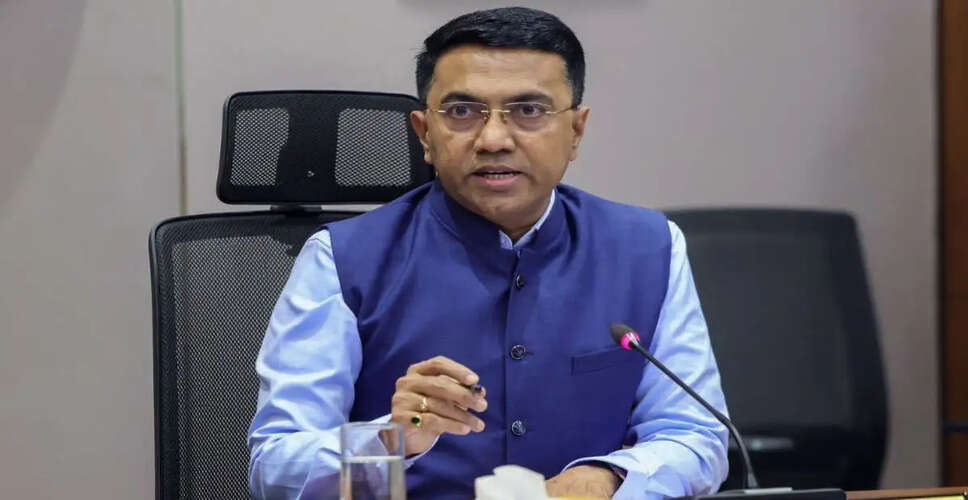
In response to the need for safeguarding foreign currency, the Goa government has placed an immediate ban on all official foreign trips funded by the state treasury. This decision was announced in a memorandum issued by the state's finance department.
The memorandum, released by Naresh Goud, the Under Secretary for Finance Revenue and Control, stated that previously approved official foreign trips have also been canceled.
Reasons Behind the Restrictions
The finance department's memorandum indicated that these restrictions are aimed at preserving foreign exchange reserves in light of global circumstances. This order will remain in effect until further notice. A government official noted that senior officials from various departments, and occasionally ministers, travel abroad for study tours, but the tourism department incurs higher costs due to its participation in roadshows and travel marts. In the period leading up to January 2026, the Goa tourism department had participated in events held in Muscat, Dubai, Denmark, Norway, Uzbekistan, Russia, Singapore, London, Bahrain, and Malaysia. An official mentioned that due to this travel ban, the department will be unable to implement its marketing strategies in foreign markets until the order is revoked.
Delhi Government's Similar Measures
Earlier, Delhi Chief Minister Rekha Gupta announced that no minister or official from the Delhi government would travel abroad for the next year. This decision follows Prime Minister Narendra Modi's appeal and is part of a series of measures aimed at conserving foreign currency and fuel amid current national conditions.
During a press conference, Gupta stated that the Delhi government would launch a 'My India, My Contribution' campaign for the next 90 days. She added that the government has devised measures to reduce petrol and diesel consumption on two levels.
Impact on Travel Industry
The Indian travel industry is now concerned that the Prime Minister's appeal to avoid unnecessary foreign travel may affect new bookings. Industry experts and analysts report that inquiries for overseas travel have already decreased by 15% due to inflationary pressures.
This decline is expected to impact the peak tourism season for international travel, which typically occurs during school holidays from April to June when affluent families prefer to visit cooler destinations like Europe and Australia.
Ravi Gosain, President of the Indian Association of Tour Operators, remarked, 'The Prime Minister has a significant following, and people sometimes take his advice very seriously... They may postpone their trips until next year.' This association comprises over 2,000 members. 'We have already observed a 10% to 15% drop in inquiries or business for this summer season.'
Global Economic Context
This downturn in travel comes at a time when inflation is rising globally. Crude oil prices have surged above $100 per barrel, partly due to Iran's closure of the Strait of Hormuz, which has disrupted about one-fifth of the world's oil and liquefied natural gas supply.
On Sunday, Modi urged citizens to reduce fuel consumption and gold jewelry purchases for a year, aiming to lower India's nearly $1 trillion import bill during the Gulf crisis.