
Global Reactions Surge Following US Strikes on Iran: A Call for Diplomacy
Escalating Tensions in the Middle East
Dubai: In light of recent US military actions against Iran, several key allies of the United States have called for renewed negotiations, expressing concerns over the potential for a broader conflict and the implications of Iran's nuclear ambitions.
Countries and factions in the region, including those aligned with Iran, have condemned the US strikes while advocating for de-escalation.
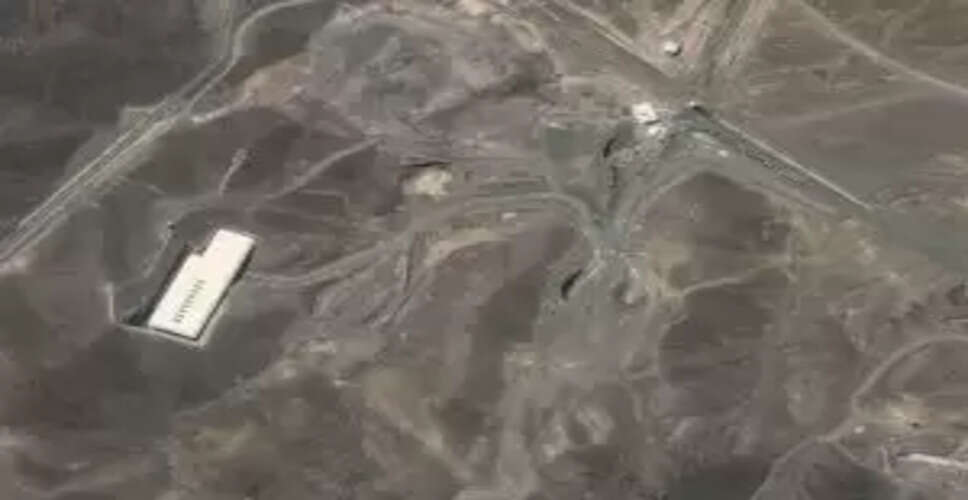
US President Donald Trump indicated earlier this week that he would make a decision regarding involvement in Israel's conflict with Iran within two weeks, but actions were taken just days later, with US forces targeting three Iranian nuclear facilities early Sunday.
The extent of the damage remains uncertain, but Iranian Foreign Minister Abbas Araghchi stated that the US had crossed a significant threshold, declaring that the era of diplomacy had ended and asserting Iran's right to self-defense.
There are ongoing debates about whether a weakened Iran will yield to pressure or retaliate against US interests in the Gulf region.
International Responses
United Nations
UN Secretary-General Antonio Guterres expressed deep concern over the US's military actions, warning that the situation could spiral out of control, leading to dire consequences for civilians and regional stability. He emphasized that diplomacy is the only viable solution.
United Kingdom
British Prime Minister Keir Starmer cautioned against further escalation beyond the Middle East, urging all parties to seek a diplomatic resolution. He highlighted the threat posed by Iran's nuclear program and supported US actions aimed at mitigating this risk.
Russia
Dmitry Medvedev, deputy head of Russia's Security Council, remarked that some nations might be willing to provide Iran with nuclear capabilities, asserting that the US strikes would not deter Tehran's nuclear ambitions. Russia's Foreign Ministry condemned the airstrikes as a violation of international law.
Iraq
The Iraqi government denounced the US strikes, stating that such military actions threaten peace and security in the Middle East and called for diplomatic efforts to resolve the crisis.
Egypt
President Abdel Fattah el-Sissi warned of severe consequences if the conflict expands and urged a return to negotiations.
Saudi Arabia
While expressing concern over the US airstrikes, Saudi Arabia refrained from outright condemnation, emphasizing the need for restraint and de-escalation.
Qatar
Qatar, home to a significant US military base, expressed regret over the rising tensions and called for all parties to exercise restraint.
Hamas and the Houthis
Both Hamas and the Houthi rebels condemned the US actions, urging Muslim nations to unite against perceived aggression.
Lebanon
Lebanese President Joseph Aoun warned that US bombings could trigger a regional conflict and called for negotiations.
Pakistan
Pakistani Prime Minister Shehbaz Sharif condemned the US strikes as a violation of international law, shortly after recommending Trump for the Nobel Peace Prize for his role in easing tensions between India and Pakistan.
China
China criticized the US strikes as a serious breach of international law and called for a ceasefire and dialogue among all parties.
European Union
The EU's foreign policy chief urged restraint and a return to negotiations, emphasizing that Iran must not be allowed to develop nuclear weapons.
Italy
Italian Prime Minister Giorgia Meloni discussed the crisis with other G7 leaders, agreeing on the importance of negotiations to prevent further conflict.
Latin America
Leftist governments in Latin America condemned the US strikes, with Venezuela labeling them as illegal and dangerous, while Argentina's President praised the actions.
Japan
Japanese Prime Minister Shigeru Ishiba stressed the need for a swift resolution to the situation and the prevention of Iran's nuclear development.
The Vatican
Pope Leo XIV called for peace and international diplomacy during his Sunday address, urging the global community to take action to prevent war.