
Global Oil Market Turmoil: Impact of Iran Conflict on Fuel Prices
Significant Fluctuations in Global Oil Prices
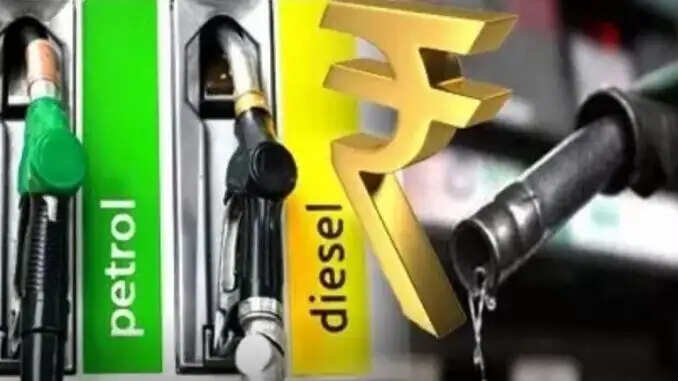
Since the onset of conflict in Iran, the global oil market has experienced considerable volatility. Recent data from globalpetrolprices.com indicates a sharp increase in the prices of Brent crude oil, petrol, and diesel, affecting many countries worldwide. However, in India, the prices of petrol and diesel have remained unchanged so far.
Surge in Crude Oil Prices
According to the data, prior to the conflict, Brent crude was priced at $71.28 per barrel, which has now escalated to $109. During this period, the global average price of petrol rose from $1.2 to $1.4 per liter, while diesel increased to $1.52 per liter. This surge highlights how the conflict has created supply uncertainties and geopolitical tensions that have driven prices higher.
Significant Increases in Various Countries
Countries where fuel prices are determined by market forces have seen the most drastic changes. For instance, Myanmar recorded a 100% increase in petrol prices and a 119.9% rise in diesel prices. In the Philippines, diesel prices surged by 111%, while petrol rose by 71.6%. Malaysia saw petrol prices increase by 52.4% and diesel by 84.6%. In the UAE, petrol became 40.8% more expensive, and diesel increased by 86.1%. Australia also witnessed a rise of 46.5% in petrol prices and 64.1% in diesel prices since the conflict began.
Price Hikes in Europe and the USA
Notable increases have also been observed in Europe and the USA. In the United States, petrol prices rose by 31.1%, and diesel by 41.8%, while Germany and France saw diesel prices increase by over 30%.
Why Diesel Prices Have Increased More
Analysis reveals that diesel prices have risen more than petrol in many countries. This is attributed to higher demand for diesel in transportation and industries, disruptions in the supply chain, and increased refining costs.
Why Prices Remain Stable in India
Despite the global surge, India has not seen any changes in petrol and diesel prices. The Petroleum Ministry clarified that “the prices of petrol and diesel, which India primarily relies on, have not changed. In Delhi, petrol remains at ₹94.77 per liter and diesel at ₹87.67 per liter.”
The ministry also noted that oil companies are incurring losses, yet the burden has not been passed on to consumers. “These decisions align with Prime Minister Narendra Modi's commitment to protect Indian citizens from sharp increases in international prices,” the ministry stated.
What Lies Ahead?
Experts suggest that if Brent crude prices remain above $100 for an extended period, an increase in prices in India may become inevitable. Currently, the government is managing the prices, but whether this situation can be sustained in the long term will depend on international conditions.