
Global Oil Crisis: Impact on India Amidst Iran-US Tensions

Current Global Turmoil
The world is currently experiencing significant upheaval. On one hand, the conflict between the United States and Iran has escalated to a point where Donald Trump is discussing the potential destruction of a civilization, while claiming to devastate Iran. On the other hand, the strategic maneuvers of nations like Russia and China are raising concerns among various global powers. The ongoing tensions between Iran and the US have created a ripple effect worldwide, particularly evident in the escalating crisis surrounding oil and gas supplies. Many countries are grappling with severe shortages, leading to lockdown-like situations and budget cuts in several regions. The prices of gas and oil continue to rise steadily.
India's Situation Amidst Global Crisis
In India, the atmosphere is filled with the sounds of election campaigns and the excitement of IPL cricket matches. However, it would be misleading to think that the Iran-US conflict and the crisis in the Strait of Hormuz are not affecting India. Despite government assurances of sufficient gas and crude oil supplies, the situation has been challenging. Reports of long queues for gas cylinders and the sudden closure of several petrol pumps have surfaced. The government insists that panic buying is the root cause of these issues, claiming that there is no shortage of resources.
Ground Reality
From my own experience, I received a domestic gas cylinder in Delhi within two days during the recent shortages, although there were some server issues causing delays. In rural areas, cylinders are now being delivered within three to five days, which is slightly longer than before. Recently, the price of domestic gas increased by ₹60, which might seem manageable. However, for those without a domestic connection, the cost of a 14-liter cylinder has skyrocketed from around ₹1000 to between ₹2500 and ₹3000. Workers who previously filled small gas tanks for daily use are now facing prices of ₹350 to ₹500 per kilo, making it increasingly difficult to sustain their livelihoods.
Rising Costs in Daily Life
The rising gas prices have also impacted everyday expenses. For instance, the cost of water puri has increased from ₹20 to ₹40, and tea stalls are now charging an extra ₹5 per cup. Restaurants are adding ₹20 to ₹30 to each item on their menus. This price hike is largely due to the unavailability of gas for small vendors. Although the government claims to have increased the availability of commercial cylinders by 70%, the reality is that these are not reaching those who need them most.
Return to Traditional Cooking Methods
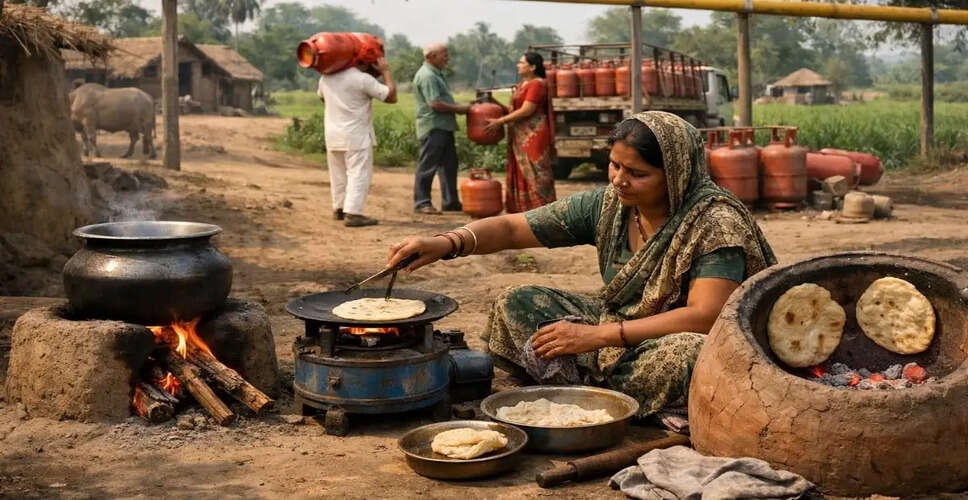
Due to the soaring gas prices, many families are reverting to traditional cooking methods, using clay stoves and firewood. This shift is reminiscent of pre-2014 times when LPG was not as accessible in rural areas. The current gas crisis has forced families to adapt, utilizing makeshift solutions like straw and coal stoves. In urban slums, kerosene stoves are making a comeback, and many tea shops are now using these stoves to reduce reliance on gas.
Government Response and Future Outlook
While India may not be facing the same level of crisis as other countries, the situation remains serious. The government's policies have mitigated some of the hardships for the public, aided by India's diplomatic relations with Russia and Iran, which have allowed for some LPG shipments to continue. Additionally, the Petroleum Minister's visit to Qatar could lead to positive developments in the LPG supply situation in the near future.