
Global Malaria Report 2024: Rising Cases and Deaths Amidst Drug Resistance Challenges
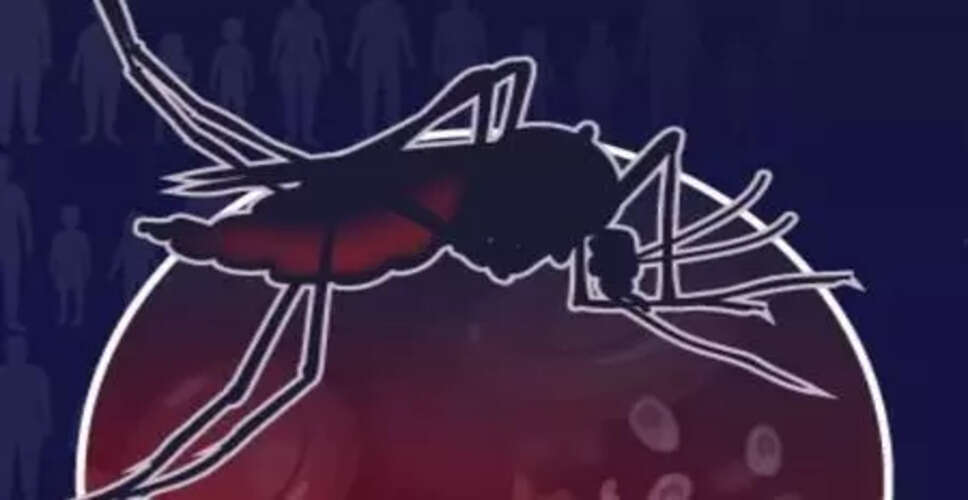
Overview of Malaria Impact in 2024
New Delhi, Dec 4: The World Health Organization (WHO) has released its annual World Malaria Report, revealing that malaria affected approximately 282 million individuals and resulted in 610,000 fatalities globally in 2024. The report emphasizes that drug resistance poses a significant obstacle to malaria elimination efforts.
Vaccines recommended by the WHO played a crucial role in preventing around 170 million cases and saving one million lives in 2024, marking an increase of about 9 million cases compared to the previous year.
Notably, around 95% of malaria-related deaths occurred in the African Region, predominantly affecting children under the age of five.
In the WHO South-East Asia Region, India reported a staggering 73.3% of all malaria cases and accounted for 88.7% of the deaths in that area.
The report indicates that the goal of reducing malaria deaths, as outlined in the Global Technical Strategy for malaria 2016-2030, is still significantly off track.
It also highlighted that antimalarial drug resistance has been confirmed or suspected in at least eight African nations, with concerns about the declining effectiveness of artemisinin-combined therapies.
Additional threats to malaria elimination include the presence of malaria parasites with pfhrp2 gene deletions, which compromise the reliability of rapid diagnostic tests, and confirmed pyrethroid resistance in 48 countries, diminishing the effectiveness of insecticide-treated nets.
Moreover, Anopheles stephensi mosquitoes, which are resistant to many commonly used insecticides, have spread to nine African countries, complicating urban malaria control efforts.
On a positive note, progress is being made in the fight against malaria. So far, 47 countries and one territory have been certified as malaria-free by the WHO. In 2024, Cabo Verde and Egypt achieved this status, followed by Georgia, Suriname, and Timor-Leste in 2025.
The WHO approved the first malaria vaccines in 2021, and currently, 24 countries have integrated these vaccines into their routine immunization programs.
Dr. Tedros Adhanom Ghebreyesus, WHO Director-General, stated, "New tools for malaria prevention are providing us with renewed hope, yet we continue to face substantial challenges." He further noted, "The rising number of cases and deaths, the escalating threat of drug resistance, and funding cuts jeopardize the progress made over the last two decades."
The report also pointed out that extreme weather events, such as temperature and rainfall fluctuations, are contributing to increased malaria outbreaks, while conflicts and instability hinder access to care.
The situation is worsened by stagnant global funding over the past decade, which limits the reach of life-saving interventions.
Despite these challenges, Dr. Ghebreyesus expressed optimism, stating, "None of the challenges are insurmountable. With the leadership of the most affected countries and targeted investments, the vision of a malaria-free world remains attainable."