
Global Evacuation Alerts Issued as Tensions Rise Between US and Iran
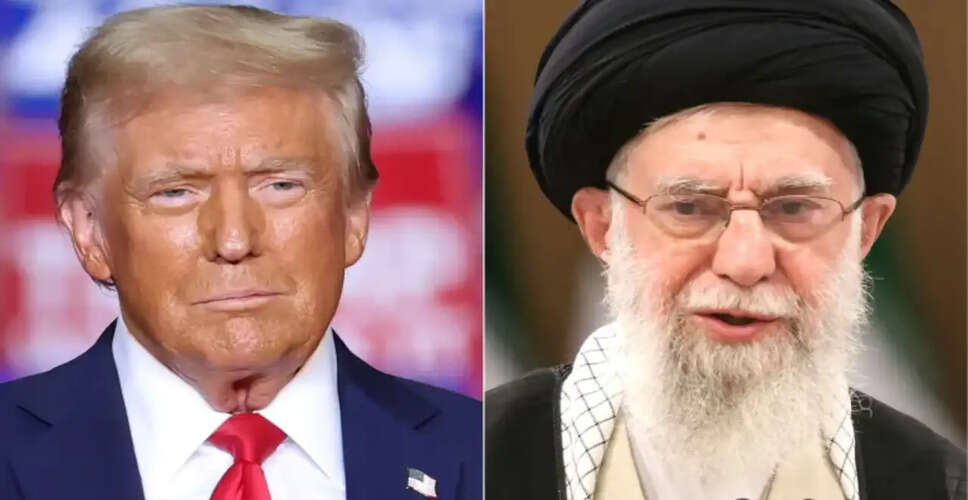
Urgent Evacuation Warnings Issued Worldwide
A significant number of countries, exceeding 15, have issued evacuation warnings for their citizens in Iran, citing a rapidly deteriorating security situation. Many governments have emphasized the urgency of these alerts, advising individuals to leave immediately through any available safe route. In addition, several nations have implemented new travel restrictions.
The escalation in tensions follows unsuccessful nuclear negotiations between the United States and Iran. Concerns have been raised by Western, Asian, and European nations regarding safety, particularly after the UK embassy's recent staff withdrawal.
MarioNawfal
2027417190341689436
Australia has urged its citizens to evacuate as soon as possible, while Brazil has echoed similar sentiments, particularly following alerts in Lebanon. Canada has advised its citizens to leave immediately due to escalating risks, and China has recommended using commercial flights for evacuation. Cyprus has urged against all travel to Iran, while Finland has suggested that individuals consider leaving not only Iran but also Israel and Lebanon. Germany has also warned its citizens to depart promptly, and India has called for all its nationals, including students and pilgrims, to exit using any available transport.
Poland has instructed its citizens to leave immediately, and Serbia has issued warnings about worsening security conditions. Singapore has advised against travel to Iran, while South Korea has imposed a travel ban. Sweden has also urged its citizens to evacuate. The UK has confirmed that risks have increased, with embassy staff already having departed the country, as reported by various news outlets. The US State Department has strongly advised American citizens to leave Iran without delay, suggesting land routes through Armenia or Turkey if flights are unavailable.
ALSO READ | 'Sometimes You Have To': US President Donald Trump on Attacking Iran
Several governments are keen to evacuate civilians before any potential escalation occurs, especially as military activities in the region appear to be increasing. The US embassy in Israel has also transitioned to an 'authorized departure' status, allowing non-essential personnel and their families to leave. U.S. Ambassador Mike Huckabee has urged staff to depart swiftly, warning that outbound flights could cease at any moment. He has requested airlines to maintain their flight schedules.
What Led To Tensions Between US and Iran?
The ongoing tensions between the United States and Iran have intensified following the conclusion of nuclear talks in Geneva, which ended without any significant progress. President Trump has indicated a willingness to consider military action if Iran does not agree to a more stringent nuclear agreement. Conversely, Iran maintains that it has the right to enrich uranium for peaceful energy purposes and denies any intentions of developing nuclear weapons.
Trump expressed dissatisfaction with Iran's stance after the latest discussions, stating, “I’m not happy with the fact that they’re not willing to give us what we have to have.” He reiterated that Iran must not possess nuclear weapons and indicated that military options remain viable if an agreement is not reached.
When questioned about the possibility of war, Trump acknowledged the inherent risks, stating, “I guess you could say there’s always a risk. When there’s war, there’s a risk of anything, both good and bad.” The US State Department has announced that Secretary of State Marco Rubio will visit Israel, suggesting that military action may not be imminent.
Israeli Prime Minister Benjamin Netanyahu has called for decisive US action, warning that Israel will respond to any Iranian attacks. Meanwhile, US Vice President JD Vance is set to meet with Oman's foreign minister, Badr al-Busaidi, who is acting as a mediator. Oman has reported some progress in discussions, although neither the US nor Iran has confirmed any new developments. Iranian Foreign Minister Abbas Araghchi stated that Iran has already outlined its requirements, though specifics were not disclosed.
At the United Nations, Secretary-General António Guterres has urged both nations to pursue diplomatic solutions, with his spokesperson noting concerning military movements in the region.
(With inputs from various sources)