
Global Energy Access Challenges Persist, UN Report Reveals

Significant Energy Access Gaps Worldwide
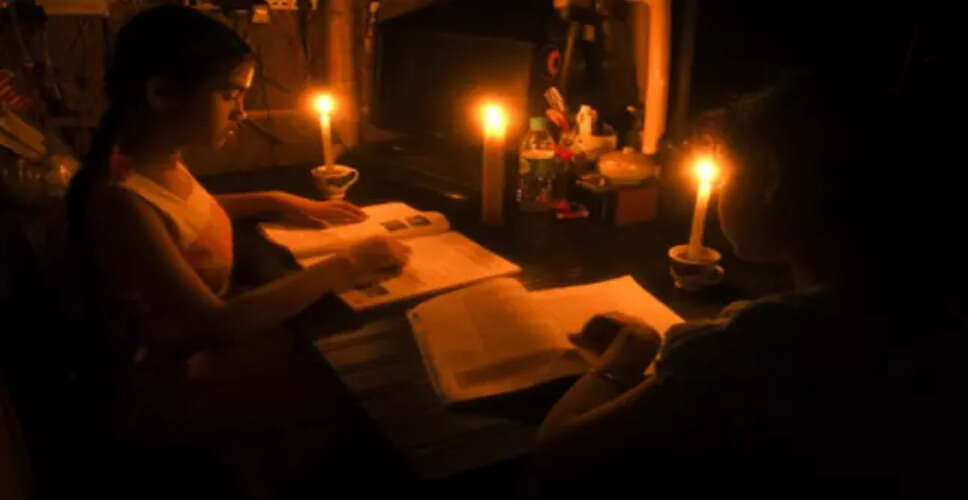
Representational Image
United Nations, June 25: A recent report from the United Nations indicates that approximately 655 million individuals, representing 8% of the global population, still lack access to electricity, predominantly in Sub-Saharan Africa.
Furthermore, around 1.8 billion people rely on harmful fuels and technologies for cooking, jeopardizing their health and safety, as highlighted in the latest edition of the Tracking Sustainable Development Goal (SDG) 7: The Energy Progress Report, published on Wednesday (local time).
Sub-Saharan Africa is particularly affected, with over 560 million people without electricity and 970 million lacking access to clean cooking facilities. The report emphasizes that the rate of electrification in this region needs to triple to meet the goal of universal access by 2030.
Despite these obstacles, the report notes positive advancements in sustainable energy, with renewable energy sources now accounting for over 30% of global electricity consumption, according to reports from a news agency.
However, the document cautions that without immediate and enhanced efforts, the world is unlikely to meet the SDG 7 targets aimed at ensuring universal access to affordable, reliable, sustainable, and modern energy by 2030. The ongoing global energy crisis is also expected to have a significant impact on energy markets and the overall economy.
The report underscores the necessity for stronger political leadership, better coordination across sectors, and a strategic focus on the most vulnerable countries and communities as critical priorities leading up to 2030.
It also emphasizes the importance of clear policy direction and consistent implementation to diversify national energy sources, promote renewable energy, reduce reliance on fossil fuel imports, and enhance macroeconomic resilience against global supply chain disruptions.
Li Junhua, the UN under-secretary-general for economic and social affairs, remarked, "We have observed promising advancements in providing access to affordable, reliable, and clean energy in recent years."
"Nevertheless, this year's report indicates that millions still lack access, highlighting that progress is not aligning with the ambitions of Sustainable Development Goal 7, and significant disparities persist among countries," Li added, noting that the current global energy crisis offers a chance to expedite the transition to clean energy for enhanced energy security.
"To capitalize on this opportunity, substantial increases in international support and investment are essential. We cannot afford to be complacent. The time for urgent and ambitious action is now," Li concluded.