
Global Concerns Rise Over Hormuz Strait Amid Tensions
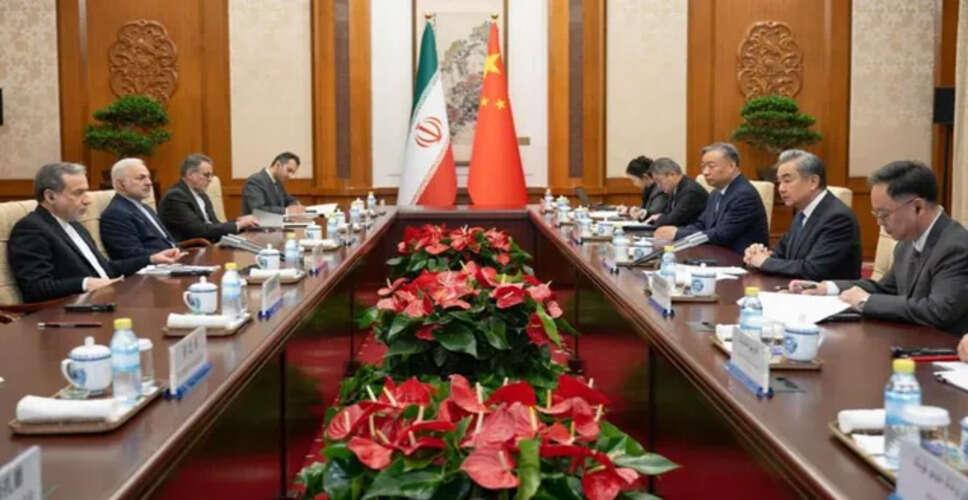

Increasing Global Concerns Over Hormuz Strait
Amid escalating tensions in the Middle East, worries surrounding the Hormuz Strait are intensifying globally. This vital maritime route, crucial for international trade, has sparked significant activity in oil markets and diplomatic circles. Recently, China has conveyed a clear message to Iran, urging for a swift normalization of the waterway to prevent disruptions in global trade and energy supplies.
Reports indicate that China's Foreign Minister emphasized the importance of keeping the Hormuz Strait open during discussions with Iran's senior leaders, including Abbas Araghchi. China asserts that this issue transcends regional concerns, impacting the global economy. Beijing believes that prolonged disruptions in this maritime route could severely affect global oil supply, shipping costs, and international markets.
Why is the Hormuz Strait Significant?
The Hormuz Strait is recognized as one of the busiest oil transport routes worldwide. A significant portion of oil from Gulf nations—such as Saudi Arabia, Iraq, Kuwait, the UAE, and Qatar—flows through this passage to reach Asia and Europe. It is estimated that a substantial percentage of the world's oil trade transits this route daily, meaning any tension here could directly trigger a global energy crisis.
China, being one of the largest oil importers globally, relies heavily on energy supplies from the Gulf region. This dependency explains Beijing's proactive stance on this issue, as it seeks to safeguard its economic interests and the integrity of global supply chains amidst rising tensions in West Asia.
Growing International Pressure on Iran
In recent days, concerns regarding regional conflicts and maritime security have escalated among the United States, European nations, and Gulf countries. Many nations have called for enhanced security measures for maritime routes. China's recent statements are particularly noteworthy, as Beijing has traditionally been viewed as a close ally of Iran.
Experts suggest that this commentary from China indicates a shift in priorities, with stability now taking precedence over traditional alliances in the face of global trade interests. Should Iran maintain a hardline stance for an extended period, it may face discontent from its allied nations.
What Will Tehran Do Next?
The pressing question remains whether Iran will heed China's advice and adopt a more conciliatory approach or maintain its strategic position amid rising regional tensions. Tehran has previously indicated that it could take stringent measures in the Hormuz area if its interests are threatened.
However, analysts believe that Iran cannot entirely disregard the pressure from a significant economic partner like China. The world will be closely watching Tehran's response in the coming days, as it will have implications not only for the Middle East but also for the global economy, oil prices, and international politics.