
Global Attention on Pakistan Amid Rising Tensions in West Asia

Pakistan Under Scrutiny as Tensions Escalate
The world is closely watching Pakistan as significant discussions are set to take place between Iran and the United States amidst escalating tensions in West Asia. However, the atmosphere in Islamabad is starkly different, resembling a lockdown with heightened security measures and limited movement on the streets. There remains uncertainty regarding the arrival of the delegations expected to participate in these talks, creating a scenario where Pakistan seems to be waiting at the negotiation table with snacks prepared, yet the guests have yet to arrive.
Regional Dynamics and India's Response
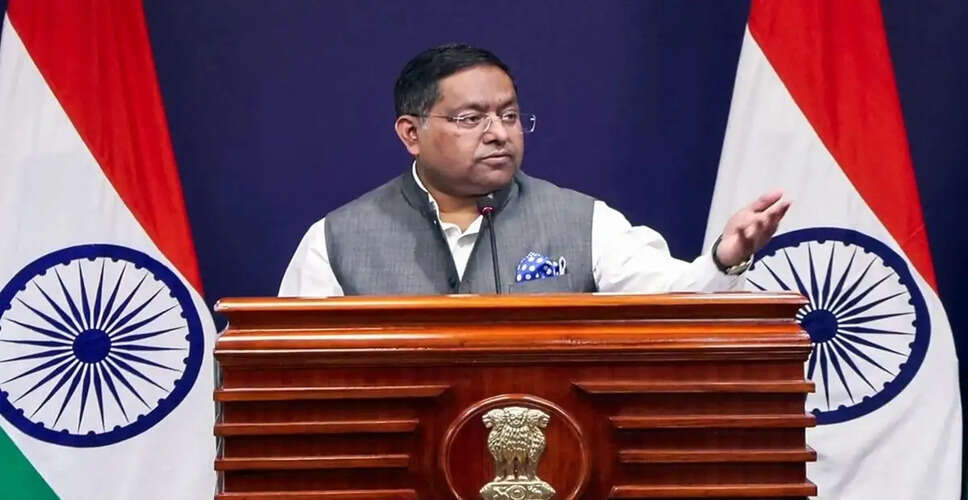
As confrontations rise between Iran, the U.S., and Israel, the situation in Lebanon has become increasingly complex. Countries, including India, are closely monitoring these developments. The Indian Ministry of External Affairs has confirmed its ongoing vigilance regarding the situation in West Asia and maintains communication with Gulf nations. Additionally, the Indian government is taking proactive measures to bolster its energy security, with various ministers visiting Gulf countries under the Prime Minister's directive. The focus is on strengthening ties with the United Arab Emirates while discussions on energy cooperation are underway with Qatar.
India's Energy Strategy and Regional Support
India has adopted a diversified approach to meet its energy needs, securing supplies from both Russia and the U.S. Furthermore, India is extending assistance to neighboring countries, having recently supplied petroleum products to Sri Lanka and finalizing agreements for oil and gas supplies with Mauritius.
Concerns Over Lebanon's Stability
The situation in Lebanon remains alarming, with rising civilian casualties due to Israeli attacks prompting deep concern from India. The Indian government has reiterated its commitment to peace and security in Lebanon, actively participating in the United Nations mission there. Notably, around a thousand Indian nationals reside in Lebanon, heightening India's apprehensions.
Israel's Stance on Ceasefire
In the midst of these tensions, the Israeli Prime Minister has made it clear that no ceasefire will be implemented in Lebanon, and actions against Hezbollah will continue. However, he also indicated that the door remains open for peace talks if requested.
Iran's Diplomatic Developments
In a significant development, former Iranian Foreign Minister Kamal Kharrazi, who was injured in an airstrike, has passed away. He had previously stated that Tehran possesses the technical capability to develop nuclear weapons.
Diplomatic Efforts and Challenges
Diplomatic activities have intensified, with Lebanon indicating a willingness to participate in proposed talks in Washington, potentially paving the way for a ceasefire. However, several obstacles remain, particularly disagreements over Lebanon's inclusion in any ceasefire agreement.
Strait of Hormuz and Global Energy Supply
Another critical aspect of this conflict is the situation in the Strait of Hormuz, a vital route for global energy supplies. Iran has imposed strict controls on maritime traffic, allowing only a limited number of vessels to pass daily, which is affecting oil supplies and increasing instability in global markets. New regulations, permit systems, and potential fees for ships are complicating international trade.
China's Role in Mediation
Amidst these developments, China's role has emerged as a significant factor. Diplomatic sources indicate that as the prospects for a ceasefire appeared to diminish, China intervened to persuade Iran to agree to preliminary discussions. The Chinese Foreign Minister has maintained contact with multiple countries, attempting to reduce tensions through active diplomacy. While the negotiation table may be set in Pakistan, it appears that China has taken on the role of mediator.
Ongoing Complexity of the Crisis
Overall, the situation remains highly complex, with unresolved issues surrounding nuclear programs, regional conflicts, maritime security, and Lebanon's stability. Diplomatic efforts are ongoing, but achieving a lasting resolution will require difficult compromises from all parties involved. This unfolding crisis underscores that the challenges in West Asia have far-reaching implications, intertwining energy, security, and diplomatic dimensions.