
Giorgia Meloni's Secret Visit to the Gulf: A Strategic Move Amid Energy Crisis
Europe's Growing Engagement in the Gulf Region
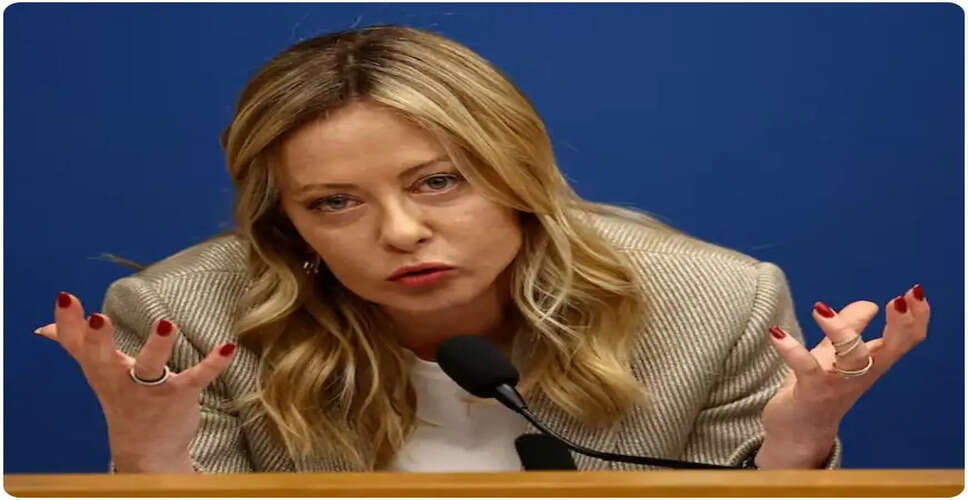
In light of the global energy crisis and escalating tensions in the Middle East, Europe has begun to take a more proactive stance. The recent covert trip by Giorgia Meloni to the Gulf region has stirred significant discussions in international politics. Reports indicate that the Prime Minister of Italy, Meloni, engaged in crucial meetings close to sensitive war zones, prompting increased diplomatic chatter worldwide.
Sources suggest that this visit was not merely a routine diplomatic mission but rather a strategic dialogue focused on energy security and oil supply. Due to ongoing instability in the Persian Gulf, European nations are increasingly concerned about their oil and gas supplies. Thus, Meloni's actions are viewed as vital for safeguarding Europe's energy requirements.
Analysts point out that Europe has been grappling with an energy crisis since the onset of the Russia-Ukraine conflict. Strengthening ties with Gulf nations has become a priority, and Meloni's 'secret entry' is seen as part of a broader strategy to enhance alternative energy sources and supply chains.
While official details about the trip remain scarce, reports suggest that Meloni met with several influential leaders and officials in the region. Discussions during these meetings reportedly revolved around oil production, supply stability, and security cooperation.
This development signals that Europe is no longer content to be a passive observer; it is ready to play an active role in the politics and energy dynamics of the Gulf region. This shift could potentially impact the regional balance of power.
Some experts believe that Europe's increasing involvement may heighten competition in the Gulf, especially with the presence of the United States and other global powers. Consequently, Meloni's actions could pave the way for new alliances and conflicts in the future.
Ultimately, Giorgia Meloni's visit underscores that energy security has transcended mere economic concerns, becoming a crucial element of global politics and strategy. It will be intriguing to observe the direction of Europe's engagement and its implications for the global energy market in the coming days.