
Germany's Response to US Troop Withdrawal: A Shift in Military Dynamics

Germany Underestimates US Troop Withdrawal
Germany seems to have misjudged President Trump's resolve regarding his threats to decrease the number of US troops stationed in the country. Following the Pentagon's announcement on Friday about the withdrawal of 5,000 troops, Berlin maintained a calm and measured response. This decision to withdraw troops and cancel a planned deployment of long-range missiles brings the US military presence in Germany back to levels seen before 2022. Pentagon officials noted that this move had been under review for some time, but the urgency increased due to Trump's dissatisfaction with German critiques of the US's actions in Iran.
Misjudgment in Berlin
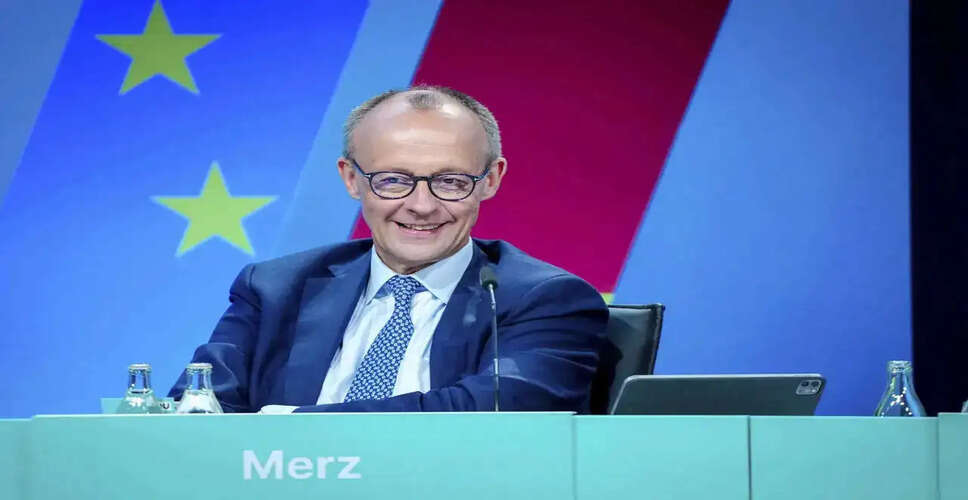
German officials had not shown significant public concern regarding Trump's social media threats earlier that week. Many believed he was merely bluffing, referencing his unsuccessful attempts to reduce troop numbers during his first term and the requirement for congressional approval for substantial changes. Chancellor Friedrich Merz had publicly asserted after a meeting with Trump in March that the US would continue its military presence in Germany. When Merz later remarked to students that the US lacked a coherent strategy in Iran and that Tehran had 'humiliated' America, German officials did not foresee a strong response. Defense Minister Boris Pistorius characterized the troop withdrawal as 'foreseeable' and stressed the necessity for Europe to take greater responsibility for its own security.
Minimal Expected Impact
The withdrawal pertains to a combat brigade that was stationed in Germany following Russia's invasion of Ukraine. Even with this reduction, Germany will still host over 30,000 US troops, making it the second-largest US military presence outside the United States. German officials privately acknowledged that the cuts could have been more severe. They also pointed out that Germany has supported US operations by permitting attacks on Iran to be launched from German bases and by providing medical care to injured American personnel at facilities like Landstuhl.
Continuing Tensions
Vice Chancellor Lars Klingbeil heightened the rhetoric on Friday, stating that Germany 'really doesn’t need any advice from Donald Trump right now' and criticizing the 'mess' caused by the Iran conflict. Despite the public disagreements, German leaders seem eager to prevent a deeper divide. Merz has dedicated considerable effort to fostering a relationship with Trump over the past year and continues to emphasize the significance of the trans-Atlantic partnership. Analysts suggest that this situation illustrates a recurring issue for German leaders in anticipating Trump's reactions during the Iran conflict. While the troop withdrawal is viewed as symbolic and not disastrous for German security, it serves as a reminder of Europe's increasing need to bolster its own defense capabilities.