
Gauhati High Court Ruling Challenges APSC Scam Discharge Orders
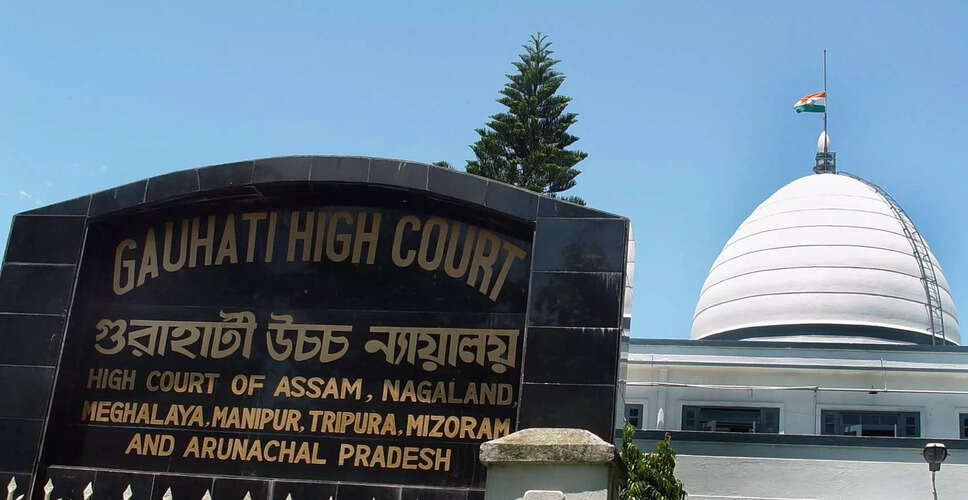
Government's Response to High Court Verdict
Guwahati, June 28: The recent decision by the Gauhati High Court, which overturned the discharge orders for candidates involved in the APSC scam, has left the government perplexed. In light of this ruling, officials and legal advisors will convene next week to determine the appropriate steps forward.
Experts in legal circles have indicated that procedural errors by the State government contributed to the court's decision, which allowed approximately 50 accused candidates to avoid penalties.
The division bench noted that the State authorities failed to issue an order as required under proviso (b) to the second proviso of Article 311(2) of the Indian Constitution. This provision states that if the authority responsible for dismissing or demoting an individual believes that conducting an inquiry is impractical, this must be documented in writing.
According to Article 311(2), civil servants can be dismissed or demoted without an inquiry if the competent authority is convinced that an inquiry is not feasible, provided this is recorded. This serves as an exception to the standard requirement for an inquiry before such actions are taken against government employees.
The bench revealed that initially, 60 candidates were implicated in significant fraud to secure their appointments via the APSC. Out of these, 57 had their services terminated, while three were designated as approvers and retained their positions.
Disciplinary actions have been initiated against the three approvers.
The High Court criticized the lack of legal support for the perceived discrimination in treatment among the candidates, stating that such actions were not backed by any existing laws or judicial rulings from constitutional courts.
The court's ruling emphasized the protections afforded to civil servants under Article 311, which mandates that they be informed of any charges against them and given a fair chance to defend themselves before dismissal. It also questioned whether the police investigation report from Dibrugarh served as the basis for the candidates' discharge.
Terminations based on motive are typically viewed as straightforward dismissals and may not necessitate elaborate procedures. In contrast, terminations based on misconduct are often deemed punitive and require due process.
In its ruling, the division bench stated that the 48 candidates whose discharge orders were annulled must be reinstated within 50 days if they have completed their probation. Ongoing departmental and criminal proceedings against them will proceed.
For those who have not finished their probation, the government retains the option to issue a simple discharge order, indicating they were deemed unfit for confirmation.