
Fujairah Port Oil Operations Suspended Amid Rising Tensions
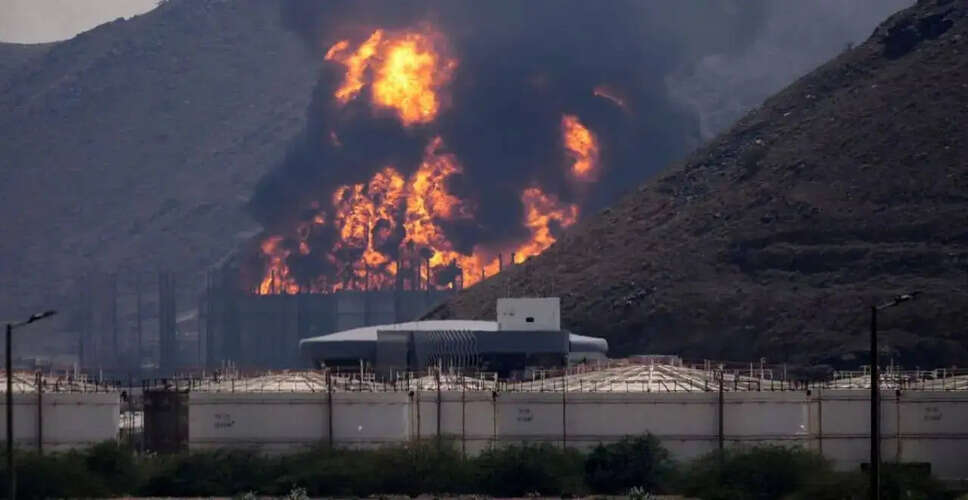
Operations Halted at Fujairah Port
Oil loading activities at Fujairah Port in the UAE have been suspended following a recent strike that ignited a fire at this key oil export terminal, as reported by sources familiar with the matter. This precautionary measure was taken on Monday while officials evaluated the damage from the incident. This marks the second disruption at Fujairah port in just three days, emphasizing the increasing risks to Gulf energy infrastructure amid the escalating conflict involving Iran. Oil shipments had only just resumed after a drone attack caused a fire at the port over the weekend.
Fujairah Port's Strategic Importance
Strategic Role Of Fujairah Port In Gulf Oil Exports
The Port of Fujairah is a vital energy hub in the Middle East, situated on the UAE's eastern coast and outside the Strait of Hormuz. This location makes it a critical export route, especially during times of instability in the Gulf region. The port is connected to Abu Dhabi’s oil fields via a major pipeline, allowing the UAE to export crude oil and petroleum products without depending on tanker routes that navigate through the Strait of Hormuz. Given its geographical advantage, Fujairah has become increasingly significant as the Iran conflict escalates, with maritime traffic through the strait facing heightened risks. Analysts suggest that the port serves as the UAE’s primary outlet for oil exports when tanker traffic through the strait is deemed unsafe. Additionally, Fujairah is a major global bunkering hub, providing fuel to numerous commercial vessels operating in the area, and has evolved into one of the largest maritime energy logistics centers worldwide.
Threats to Gulf Energy Infrastructure
Rising Threat To Gulf Energy Infrastructure
The ongoing disruptions at Fujairah port highlight the fragility of regional energy infrastructure amid the current conflict. Attacks on ports, pipelines, and shipping lanes have raised significant concerns for global energy markets. Oil prices have surged past $100 per barrel, driven by fears that the conflict could further hinder supplies from the Middle East. This volatility is exacerbated by uncertainties surrounding shipping routes in the Gulf. The International Energy Agency (IEA) has indicated that the conflict has already led to considerable disruptions in global oil flows. Officials emphasize that Fujairah’s location outside the Strait of Hormuz typically makes it a safer export route for Gulf energy shipments.