
Former MLA Critiques Panchayati Raj Elections in Himachal Pradesh
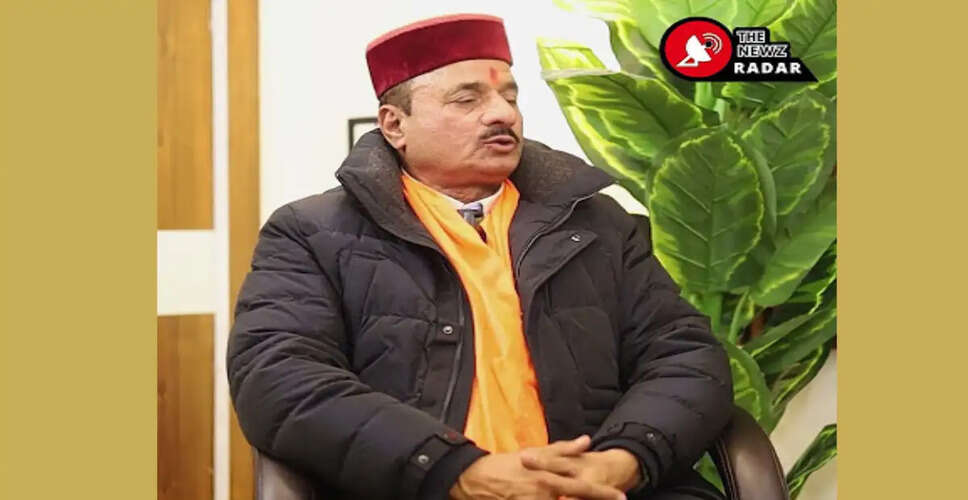

Concerns Raised by Manohar Dhiman
Indora
Manohar Dhiman, the former MLA of Indora, has voiced strong objections regarding the current Panchayati Raj elections in Himachal Pradesh, claiming that the electoral process has deviated from democratic principles and fairness. He accused the state government of executing a calculated plan to marginalize candidates supported by the opposition and notable local figures by manipulating administrative resources and legal loopholes.
Key Issues Highlighted by Dhiman:
- Last-Minute Ordinance: Dhiman criticized the implementation of the Himachal Pradesh Panchayati Raj (Amendment) Ordinance, 2026, which was enacted on May 6, just a day before the nomination period began (May 7, 8, and 11). He argued that this left candidates with insufficient time to comprehend or contest the significant changes, labeling it as a unilateral and imposed decision.
- Impact on Women in Indora: He condemned the amendment that defines “daughter-in-law” as part of the “family” in Section 122 of the Act, which disqualifies women from running for office if their in-laws are involved in unresolved land disputes. Dhiman described this provision as “anti-women and regressive,” punishing women for disputes that are unrelated to them.
- Eligibility Discrepancies: Many women who married into Indora from nearby states were disqualified despite being listed on local ration cards and voter rolls, due to technicalities like caste certificates and domicile issues. Dhiman remarked, “When the government seeks their votes, they are considered citizens of Himachal, but when they wish to run for office, they are treated as outsiders.”
- Suppression of Participation: He noted that the Indora block saw significant engagement, with 449 nominations for ward panch seats and 71 for BDC seats. However, he alleged that returning officers dismissed opposition-backed nominations over minor clerical errors, labeling them as “fraudulent.” He further accused the government of leveraging recent High Court decisions to impose six-year bans on candidates for trivial mistakes, aiming to suppress rural opposition leadership.
Dhiman declared that the elections can no longer be deemed “free and fair,” pledging to combat what he termed “administrative manipulation supported by state power.” He reassured the residents of Indora, particularly women, that appeals would be made to higher authorities and legal actions pursued. He concluded by asserting that the dignified citizens of Indora would reveal this “government tyranny” through their voting power.