
Former Bangladesh Prime Minister Khaleda Zia Passes Away at 80
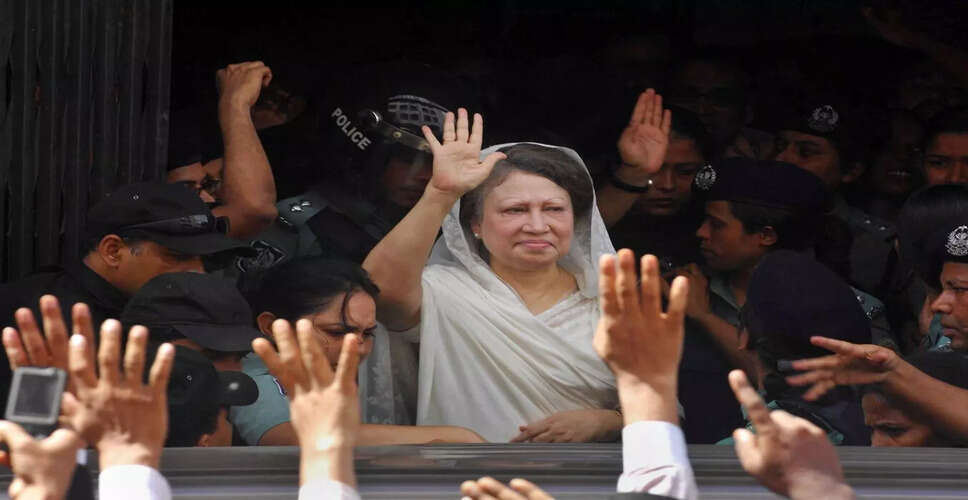
Tributes Pour in for Khaleda Zia
New Delhi/Dhaka, Dec 30: Prime Minister Narendra Modi expressed profound sadness on Tuesday following the death of Begum Khaleda Zia, the former Prime Minister of Bangladesh and chairperson of the Bangladesh Nationalist Party (BNP). He acknowledged her significant contributions to the development of Bangladesh and the strengthening of India-Bangladesh relations.
Modi shared his condolences on social media, stating, “I am deeply saddened to learn about the passing of former Prime Minister and BNP Chairperson Begum Khaleda Zia in Dhaka. Our heartfelt sympathies go out to her family and the people of Bangladesh.”
Reflecting on their meeting during his visit to Dhaka in 2015, he expressed hope that her vision would continue to influence bilateral relations. He concluded with a wish for her soul to rest in peace.
Condolences came from various political leaders in Bangladesh. Sheikh Hasina, the current Prime Minister and Zia's political rival, recognized Zia's importance in the nation’s political landscape. In a message shared on the Awami League's official social media account, Hasina noted Zia's role as the first female Prime Minister and her efforts in the fight for democracy, labeling her death as a significant loss for the political scene in Bangladesh and the BNP.
Zia and Hasina have been pivotal figures in Bangladeshi politics for over thirty years, alternating leadership and contributing to a highly polarized political environment characterized by fierce competition between their parties.
In response to Zia's passing, Bangladesh's Chief Adviser Muhammad Yunus declared a three-day period of state mourning and a one-day general holiday. In a televised address, he announced that the holiday would coincide with her funeral prayers, scheduled for Wednesday, and urged citizens to observe the mourning period with respect and order.
Begum Zia, who served as Prime Minister three times and was the first woman to hold that position in Bangladesh, died early Tuesday while receiving treatment at a Dhaka hospital. She was 80 years old. A central figure in the nation’s contemporary political history, Zia was instrumental in restoring democracy after prolonged military rule and remained a significant presence in national politics for many years.