
Federal Reserve Maintains Interest Rates Amid Global Tensions
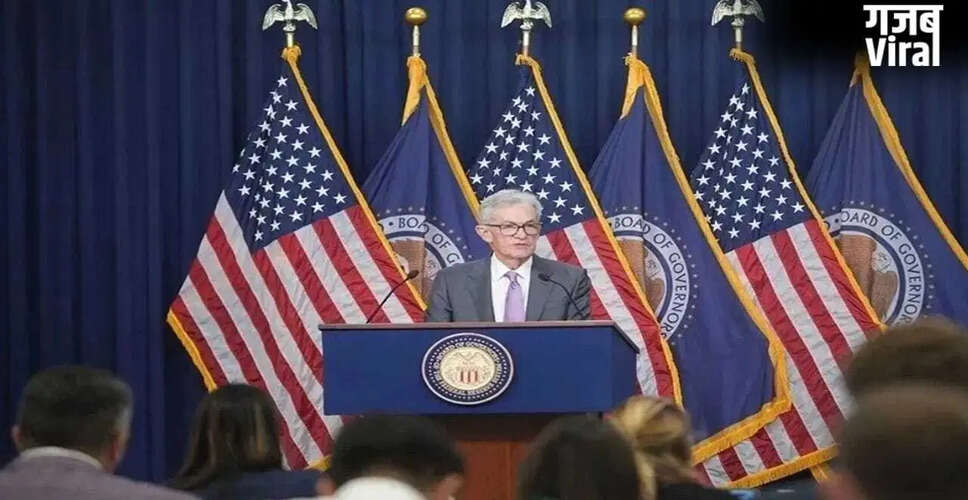

Federal Reserve's Decision on Interest Rates
The Federal Reserve of the United States has decided to keep interest rates unchanged, maintaining them within the range of 3.5% to 3.75%. This marks the third consecutive meeting where rates have remained stable. The Fed has adopted a cautious stance due to rising global energy prices and escalating tensions in the Middle East. The recent meeting, chaired by Jerome Powell, provided several key insights.
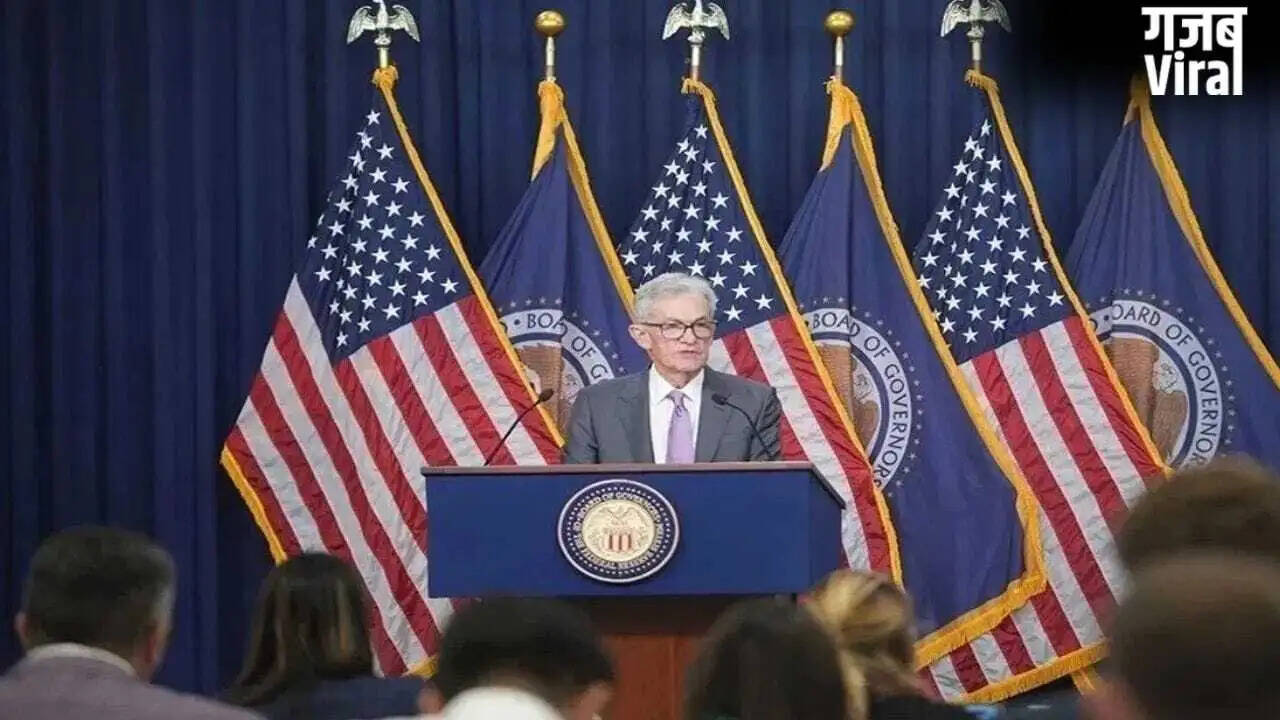
During the meeting held on April 28-29, the Fed's decision to maintain interest rates was anticipated by the market. However, the signals from this meeting could influence the direction of monetary policy in the coming months. Let's delve into five significant points from the meeting.
1. Interest Rates Steady, Yet Growing Dissent
The Federal Open Market Committee voted 8-4 to keep rates at 3.5% to 3.75%. Notably, four members opposed this decision, marking the largest dissent since 1992. This indicates a growing divergence of opinions within the Fed regarding policy direction. The Fed stated that its goals are to achieve 2% inflation and maximum employment, but current global conditions are complicating this balance.
2. Inflation Risks Persist
The Fed has clearly indicated that inflation remains a significant concern. Rising global energy prices, particularly due to tensions in the Middle East, could keep inflation elevated. Jerome Powell mentioned in a press conference that the impact of energy prices is still uncertain, emphasizing the need to wait and observe. Inflation in the U.S. is already above the Fed's 2% target, and new geopolitical developments are making the situation more complex.
3. Strong Economic Conditions
According to the Fed, the U.S. economy is still in a robust state. Economic activities are growing at a steady pace, and consumer spending remains strong. Although the pace of job growth has slowed somewhat, there has not been a significant change in the unemployment rate. Powell noted that private domestic demand continues to be strong, reflecting the true state of the economy.
4. Future Decisions Dependent on Data
The Fed clarified that any future decisions will be entirely based on upcoming economic data. The FOMC stated it will monitor the labor market, inflationary pressures, inflation expectations, and international events. If conditions worsen, the Fed may adjust its policy. Thus, the current strategy will remain one of waiting and watching.
5. Powell's Final Meeting
This meeting was Jerome Powell's last as chairman, with his term ending on May 15. President Donald Trump has nominated Kevin Warsh as the next Fed chair. However, Powell indicated his desire to remain on the Fed board as a governor, stating he will fulfill his responsibilities until the end of his term.