
Exploring West Bengal: A Cultural and Political Overview
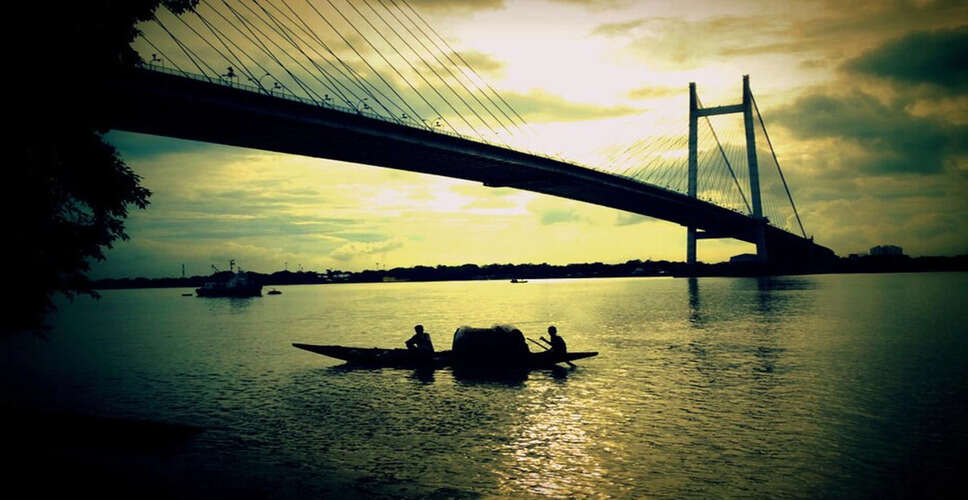
Introduction to West Bengal
West Bengal is located in the eastern part of India and is not just a geographical designation but also a significant chapter in the country's history. Following India's independence in 1947, the region of Bengal was divided into two parts. The area with a larger Muslim population became East Bengal, which joined Pakistan, while the predominantly Hindu region remained with India, thus earning the name West Bengal.
Demographics and Cultural Significance
As the fourth most populous state in India, West Bengal's capital, Kolkata, is often referred to as the 'Cultural Capital of India' due to its rich history in literature, art, and politics. The state's geographical and cultural landscape is diverse, featuring the Himalayas to the north and the tranquil Bay of Bengal to the south, along with a tapestry of languages and lifestyles.
Language and Religion
In West Bengal, over three-quarters of the population practices Hinduism, while the remaining population primarily consists of Muslims. Additionally, there are small communities of Buddhists, Christians, Jains, and Sikhs. Bengali is the dominant language spoken by most residents, with Hindi, Santali, Urdu, and Nepali also present.
Political Landscape
The political scene in West Bengal is largely dominated by the All India Trinamool Congress, the Bharatiya Janata Party, the Indian National Congress, and the Communist Party of India (Marxist). The state has experienced significant political violence over the decades. Since the 2011 assembly elections, which saw the ousting of the Left Front, the Trinamool Congress has been in power.
Legislative Representation
West Bengal has a total of 42 Lok Sabha seats and 295 assembly seats. Assembly elections are held every five years. Since the removal of the Left Front from power in 2011, the Trinamool Congress has maintained governance in the state.