
Exploring the Vibrant Theatre Culture of Vidarbha in 'Zollywood'
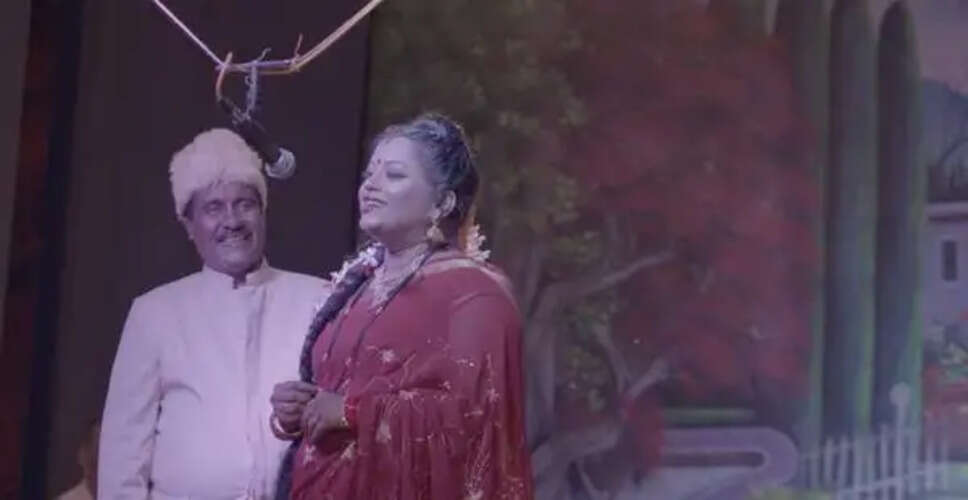

Introduction to 'Zollywood'
The eastern Maharashtra region of Vidarbha, often associated with drought and hardship, is also home to a rich theatre tradition. This duality is the focus of Trushant Ingle’s debut film, Zollywood, which aims to highlight this vibrant cultural aspect.
Film Premiere and Theatrical Release
Zollywood, produced by Wishberry Films, is set to debut at the Jagran Film Festival later this month, with plans for a wider theatrical release in the coming months. The film shines a light on the local theatre scene known as 'zhadipatti'.
The Essence of Zhadipatti
During the festive period between Diwali and Holi, various theatre troupes present plays that cover diverse themes, from family dramas to social issues and comedies. These groups, referred to as 'presses', operate printing presses during the off-season, making their performances both popular and profitable.
Cultural Significance and Challenges
Despite its popularity, zhadipatti faces criticism for its late-night performances, which some view as a sign of moral decline. The plays, performed in the local Varhadi dialect, attract audiences from various backgrounds, showcasing the region's cultural richness.
Plot Overview of 'Zollywood'
The narrative of Zollywood centers on the competition among three theatre groups vying for supremacy in the upcoming season. Aman, a determined leader, seeks fresh talent as seasoned performers demand higher wages. Meanwhile, Raja, Aman’s cousin, recruits dancer Reshma, who, despite her lack of acting skills, captivates the audience with her dance.
Character Dynamics and Themes
Deepak, another key character, is portrayed as the 'jalta chirag' (eternal flame) of zhadipatti, focusing on serious themes such as the rehabilitation of a rape survivor in his own play. The film explores the lives of these characters as they prepare for the theatre season.
Cultural Commentary
Ingle draws parallels between zhadipatti and Bollywood, emphasizing the commercial pressures faced by local theatre. The term 'Zollywood' was inspired by an article from a local newspaper, reflecting the industry's significance.
Personal Connection to Zhadipatti
Ingle’s personal history with zhadipatti enriches the film. Growing up in Nagpur, he participated in local theatre to improve his circumstances. His experiences inform the authenticity of the film, which captures the essence of the zhadipatti tradition.
Filmmaking Approach
The film was shot over 22 days in a village in Chandrapur district, with Ingle opting for a naturalistic acting style. He conducted workshops to help actors embody their roles without imposing strict direction.
Political Undertones
While Zollywood appears light-hearted, it subtly addresses significant social issues, including caste and economic struggles, through the lens of street theatre.
Conclusion
Ingle’s film not only celebrates the zhadipatti tradition but also pays homage to its practitioners, highlighting their resilience and passion for theatre. Zollywood serves as a reminder that Vidarbha, often in the news for negative reasons, has a vibrant cultural narrative worth celebrating.