
Exploring the Unique Pilua Hanuman Temple in Uttar Pradesh

The Significance of Hanuman Ji
Hanuman Ji is revered as the greatest devotee of Lord Ram, and his name is synonymous with miracles. His life is filled with numerous extraordinary feats, and temples dedicated to him can be found throughout the country. While many localities boast Hanuman temples, some are particularly renowned for their miraculous attributes.
The Unique Pilua Hanuman Temple
Today, we delve into a remarkable Hanuman temple located just 10 kilometers from the Etawah district headquarters, nestled in the village of Rura along the banks of the Yamuna River. The Pilua Hanuman Temple is distinctive, featuring a reclining statue of Hanuman Ji that is truly extraordinary.
Miraculous Offerings at the Temple
Hanuman Ji Consumes Offerings
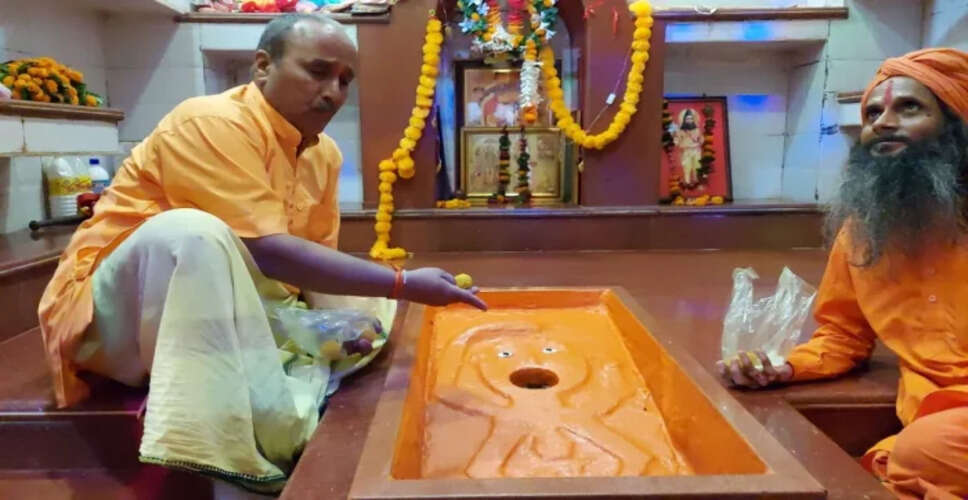
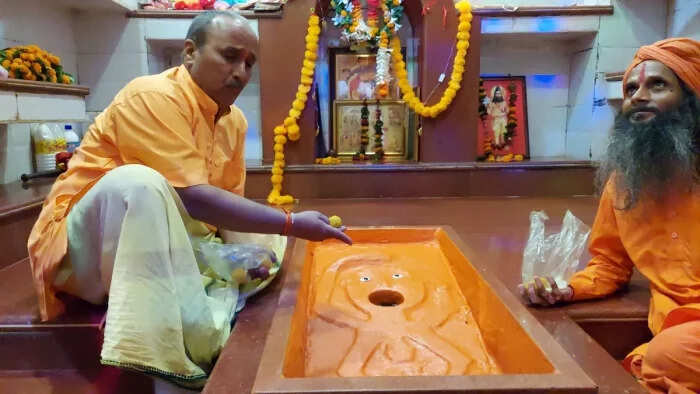
The reclining statue of Hanuman Ji at the Pilua temple is particularly fascinating. With its mouth open, it attracts numerous devotees daily. Offerings of laddus and milk made by the devotees are said to disappear into the statue's belly. This phenomenon remains unexplained, even by archaeologists, making the temple a significant pilgrimage site for believers across the nation.
A Historical Perspective
Dating back approximately 700 years, this ancient temple is also known as a Siddh Peeth. Originally, the statue was placed under a Pilua tree, but the temple has since been expanded and renovated. The abundance of Pilua trees in the area has led to its name. Today, it is not only a local treasure but also recognized globally.
Continuous Chanting of Ramdhun
Hanuman Ji's Eternal Devotion
The craftsmanship of Hanuman Ji's statue is remarkable. While many temples feature reclining statues of Hanuman, this one is unique due to its open mouth, allowing it to 'consume' offerings. It is believed that the statue has accepted thousands of tons of laddus without ever filling up. Water and milk are constantly present in its mouth, producing bubbles, which priests claim is a sign that Hanuman Ji is perpetually chanting the Ramdhun.
Connection to Mahabharata
Historical Ties to the Mahabharata
The temple's history is said to date back to the Mahabharata era, making it a subject of ongoing research for archaeologists. According to the priests, devotees who approach the Siddh Peeth with genuine faith find their wishes fulfilled. Tuesdays and Saturdays see a significant influx of visitors, with particularly large crowds on Budhwa Mangal, when thousands come to seek blessings from Lord Bajrangbali.