
Exploring the Unique Marriage Traditions of the Dhurwa Tribe in Chhattisgarh
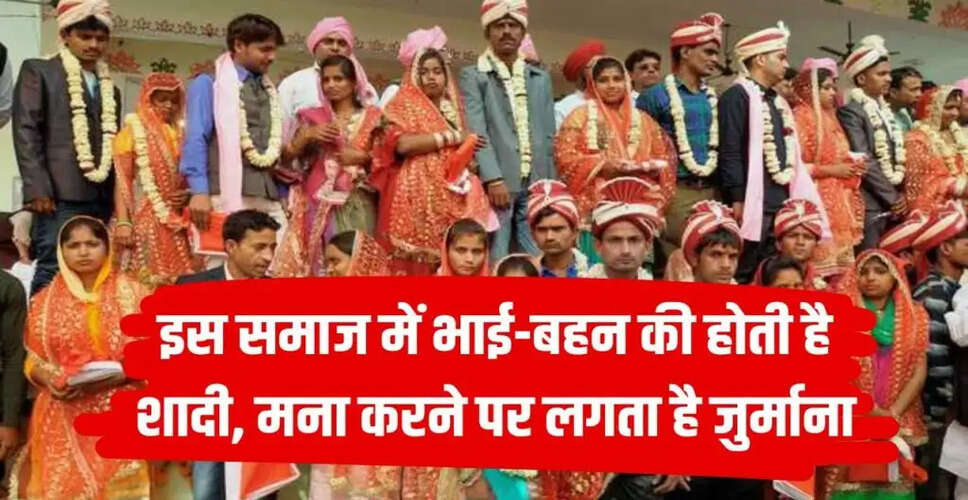

Distinctive Wedding Customs of the Dhurwa Community
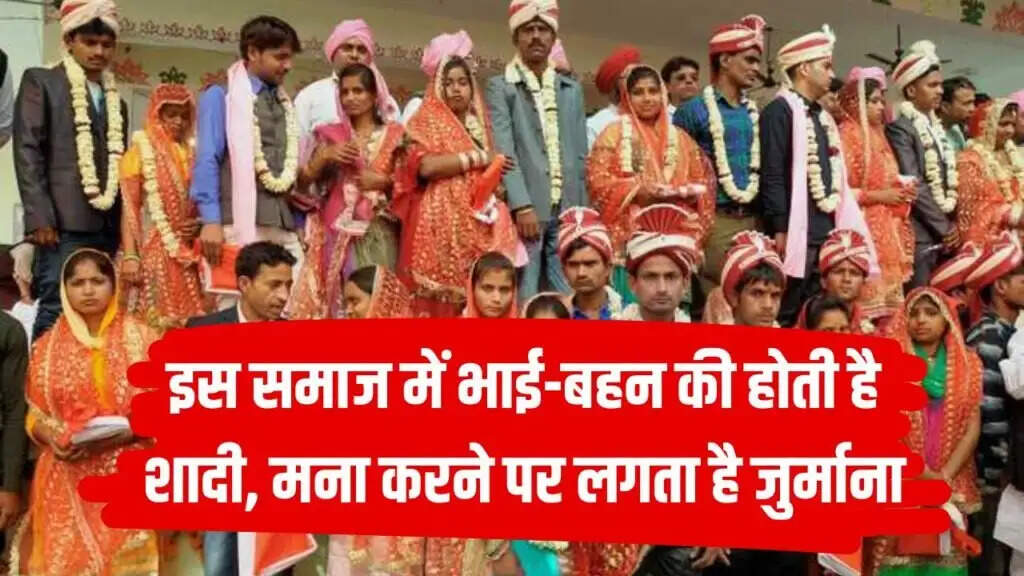
India is home to numerous traditions that often leave us astonished, many of which have been passed down through generations and are a source of pride. Among these, some customs raise intriguing questions. The Dhurwa tribal community in the Bastar region of Chhattisgarh is well-known for its unique marriage practices, which exemplify the deep-rooted traditions of the area.
Marriage Practices of the Dhurwa Tribe
Every religion and community in India has its own ancient beliefs and customs. The Dhurwa tribe, residing in the Bastar area of Chhattisgarh, is particularly famous for its distinctive traditions. Their marriage customs are so unique that they often surprise outsiders. While most societies regard sibling relationships as sacred, in the Dhurwa community, these relationships serve as the foundation for marriage. Marriages are arranged between maternal, paternal, and cousin siblings. The Dhurwa people believe that this practice fosters unity within their community and minimizes the chances of disputes with unfamiliar families.
Penalties for Breaking the Rules
This age-old social tradition is considered essential to uphold. Interestingly, if a young person chooses not to adhere to these customs, the community views it as a violation of the rules. Consequently, a fine is imposed on the individual to ensure that these rituals remain strong and continue to be practiced.
Water as a Witness in Marriages
One of the most remarkable aspects of Dhurwa weddings is their belief in using water as a witness instead of fire. During the wedding rituals, water from a river or other water source is sprinkled on the bride and groom. This tradition reflects their deep reverence for nature. They believe that water is the essence of life, and thus, it should serve as the witness to the sacred bond of marriage.
Ban on Dowry Practices
The Dhurwa community has completely prohibited the practice of dowry. They believe that dowry fosters inequality and pretense within society. As a result, weddings in this community are conducted in a very simple manner, without excessive noise or expense. This straightforward approach exemplifies their commitment to equality and economic simplicity.
Legally, the minimum marriage age is set at 21 for males and 18 for females; however, child marriage remains a significant concern in society. In many areas, people continue to marry off underage children in the name of tradition, which violates the law. Opinions about traditions vary within the community. While the younger generation advocates for evolving or reforming these customs, the elders view them as an essential part of their culture and identity, often resisting change.