
Exploring the Trend of 'Food Divorce' Among Couples

Changing Dynamics in Relationships
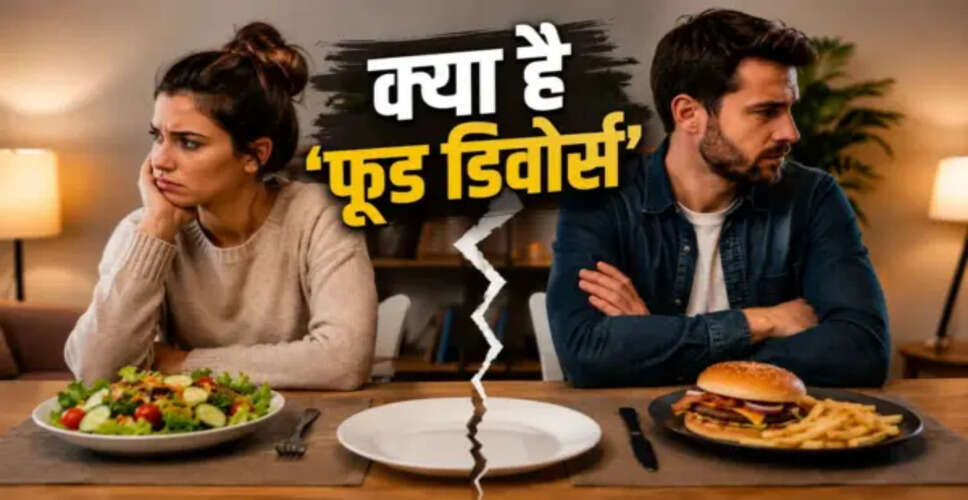
In modern relationships, love, trust, and understanding are evolving alongside dietary habits. A new trend, referred to as 'Food Divorce,' is gaining traction. This concept does not imply a separation between partners but rather signifies the decision to make individual choices regarding food. Many couples are now opting to shop for groceries separately, prepare different meals, and dine at different times, even while living under the same roof. This raises the question: why are couples choosing to forgo shared meals?
Understanding Food Divorce
'Food Divorce' represents a contemporary relationship trend where partners prioritize their personal preferences, health requirements, and schedules over shared meals. One partner may be on a high-protein diet or a weight loss plan, while the other might prefer traditional home-cooked meals or junk food. Each partner manages their own kitchen, sets distinct menus, and often does not share a dining table.
Reasons Behind the Rise of This Trend
Experts and couples alike cite several practical reasons for the emergence of Food Divorce:
- Diverse Diets and Fitness Goals: One partner may be focused on weight loss or muscle gain with a specific diet (like keto, vegan, or gluten-free), while the other has entirely different preferences. Cooking the same meal often forces one partner to compromise.
- Busy and Varied Schedules: Due to office hours, work-from-home arrangements, or different shifts, partners may find their meal times do not align. One may eat early while the other dines late.
- Impact of Weight Loss Medications: The use of GLP-1 medications like Ozempic and Monjaro has altered many people's appetites and taste preferences, diminishing the enjoyment of shared meals.
- Food Allergies and Health Needs: Allergies, acidity, or other health issues can make it impractical to share the same meals.
- Avoiding Daily Disputes: To sidestep arguments over what to cook or preferences like 'I don’t like this,' many couples are adopting this approach.
Is This Beneficial for Relationships?
Some couples report that embracing Food Divorce has led to a more peaceful home environment. The reduction of stress related to meal choices has positively impacted other aspects of their relationship, allowing everyone to enjoy their preferred meals and save time.
However, relationship counselors advise caution. They believe that regularly sharing meals fosters emotional connections, provides opportunities for conversation, and maintains closeness in relationships. If the practice of eating separately continues for too long, it may lead to increased distance. Therefore, many experts recommend dining together at least two to three times a week.
How This Change is Manifesting in Indian Families
Traditionally, Indian families, especially joint families, would eat together. However, nuclear families and working couples in urban areas are now making decisions based on convenience. Many couples cook and eat together on weekends but follow their individual diets during the week. Some families are also adopting this trend to accommodate their children's preferences.
Food Divorce symbolizes the busy nature of modern life, growing health consciousness, and the desire for personal freedom. Whether one chooses to embrace this trend or prefers traditional shared meals, it is evident that eating habits have evolved beyond mere sustenance; they now significantly influence relationship quality and personal satisfaction.