
Exploring the Timeless Elegance of Jean-Pierre Melville's Le Samouraï

A Cinematic Masterpiece
In Jean-Pierre Melville's 1967 film Le Samouraï, viewers are introduced to a solitary hitman, portrayed by the iconic Alain Delon. This film serves as a profound exploration of an assassin's life, marked by his ascetic lifestyle and a pet bird, embodying a unique blend of cool detachment and meticulousness.
Melville's work pays tribute to both American film noir and the Japanese samurai tradition, transforming pulp storytelling into high art. Its influence can be seen in various films, including Taxi Driver (1976) and The Killer (1989).
The film opens with Delon's character, Jef Costello, reclining in bed, enveloped in smoke, which sets the tone for his bleak existence. His unadorned apartment, lacking vibrancy, mirrors his solitary life, while the opening credits feature a fabricated quote from the Bushido code, likening the lone samurai to a tiger in the wild.
Throughout the film's 105 minutes, Delon's graceful movements resonate with this description.
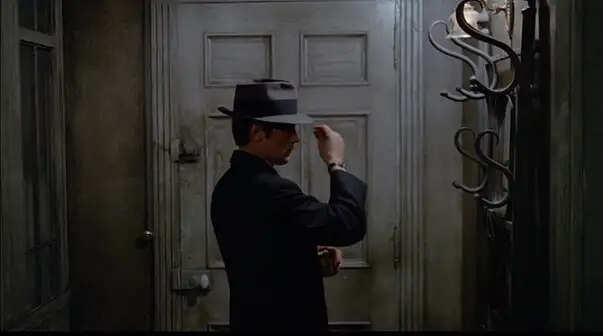
Jef's actions are characterized by precision, whether adjusting his hat, placing duplicate keys in a stolen vehicle, or soothing his girlfriend. His routine is defined by his signature hat, raincoat, and wristwatch, emphasizing the film's theme of time and timing.
Melville's direction is deliberate, allowing the narrative to unfold at a measured pace, contrasting sharply with the rapid editing typical of crime thrillers. This contemplative rhythm, coupled with sparse dialogue, invites viewers to absorb Jef's isolation, the sleek nightclub interiors where he operates, and the stylish homes of his allies and foes.
Even the police station, where investigator Francois Perier attempts to apprehend Jef, is designed with symmetry in mind. The lengthy line-up and interrogation evoke the ceremonial nature of a Japanese tea ceremony.
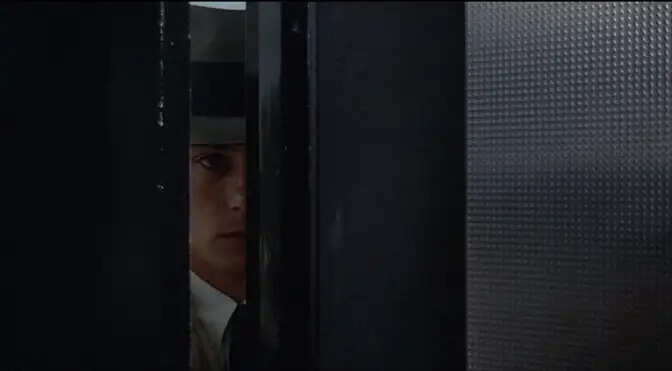
Perier's character stands out as the most active figure in a film filled with deliberate pacing. Melville's crime dramas, such as Bob the Gambler (1956) and La Circle Rogue (1970), delve into process and methodology, while also masterfully crafting an atmosphere of suspense. A scene where Jef's apartment is bugged is laden with tension, and once again, it is the caged bird that becomes his unexpected ally.
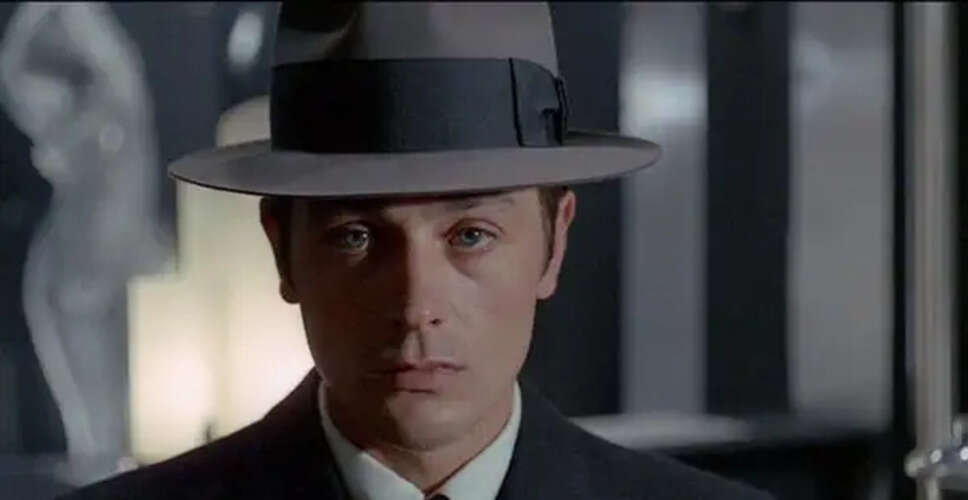
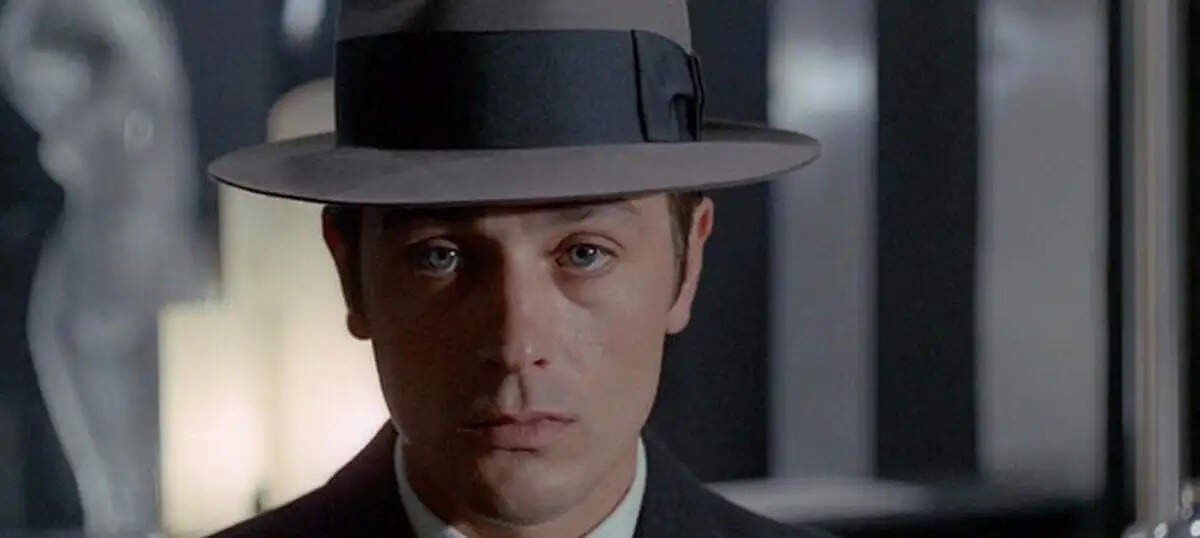
Few films have utilized Delon's visage as effectively as Le Samouraï. By this time, Delon was already a prominent star, having achieved success with films like Plain Soleil (1960), Rocco and His Brothers (1960), and The Leopard (1963). The camera work by Henri Decae frequently captures Delon's striking features, revealing both his icy exterior and the silent anguish he experiences as circumstances turn against him.
Witnesses to a nightclub murder fail to identify Jef during the police line-up. Some are aligned with his criminal associates, while others may simply be too captivated to respond rationally.