
Exploring the Success of 'Vadhandhi' Season Two: Insights from Andrew Louis and Creators

Introduction to 'Vadhandhi'
Before embarking on the journey of directing two seasons of the Tamil series Vadhandhi, Andrew Louis had already made a mark with films like Leelai and Kolaigaran. The series is produced by Wallwatcher Films, co-founded by his long-time friends and classmates, Pushkar and Gayatri.
The Journey of 'Vadhandhi'
The first season, titled The Fable Of Velonie, debuted in 2022, followed by the recently released second season, The Mystery of Mani, on Prime Video. Both seasons delve into the theme of 'vadhandhi', or rumors, that significantly impact the characters' lives.
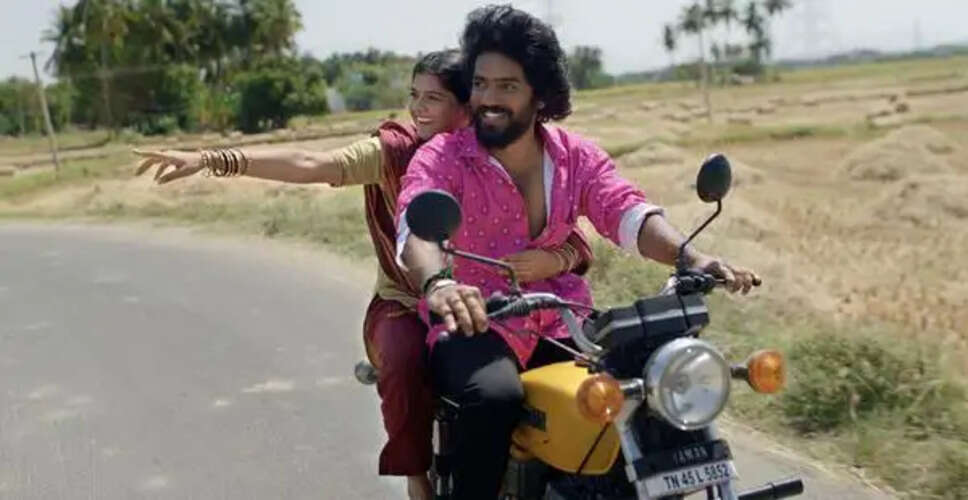
The second season features M Sasikumar as sub-inspector Moosa Raza, who is determined to prove the innocence of Mani, a young man accused of murdering his sister and girlfriend. Similar to Pushkar and Gayatri's acclaimed series Suzhal, Vadhandhi presents a narrative deeply rooted in the culture of rural Tamil Nadu.
Creators Discuss Season Two
In a recent conversation, Louis, Pushkar, and Gayatri shared their thoughts on the audience's reception of Vadhandhi season two and their vision for establishing a distinct Tamil identity in long-form storytelling.
Andrew Louis: I was initially anxious about how the second season would be received, but the positive feedback has been a huge relief.
Pushkar: The first season introduced a grounded cop character, Vivek, portrayed by SJ Suryah, who shares similarities with Moosa Raza in the second season. The character's motivations stem from deep emotional roots rather than just procedural elements.
Unlike typical Hollywood police dramas that rely heavily on forensics, our series emphasizes understanding human nature in investigations.
We wanted to explore the concept of rumors without continuing Vivek's story, which was well-received by Amazon from the start.
Setting and Challenges
Andrew Louis: Initially, I didn't plan for a rural setting, but Gayatri suggested it to enhance the story's authenticity. This decision added layers of complexity to the investigation.
To avoid similarities with Suzhal, I refrained from reading their script. I chose Kanyakumari for the first season for its unique backdrop, while the second season is set in Madurai, showcasing a stark contrast in visuals.
Pushkar: Small towns offer a unique dynamic where everyone knows each other, allowing for quicker storytelling without needing extensive explanations.
Casting Choices
Andrew Louis: When selecting the cast for Madurai, we immediately thought of Sasikumar. We creatively addressed his character's beard, incorporating a legal case to give it depth.
We also wanted to explore the male perspective of being victimized by rumors, which led us to cast Yashwanth as Mani after an impressive audition.
Pushkar: While there are few films featuring Muslim protagonists, we felt it was essential to include Moosa's character in our narrative.
Cultural Representation
Pushkar: The representation of Tamil stories is crucial, especially as the perception of 'South cinema' often overlooks the uniqueness of Tamil narratives.
Gayatri: Tamil storytelling respects rural characters, avoiding caricatures and instead portraying them as complex individuals.
Conclusion
Pushkar: We are excited about the positive reception from audiences across various regions, indicating a growing appreciation for Tamil narratives beyond traditional boundaries.
Andrew Louis: Our goal is to establish a strong Tamil identity in long-form storytelling, akin to Nordic or British shows.