
Exploring the Rich Aquatic Diversity of Eastern Assam: A Conservation Alert

Significant Findings from Eastern Assam's Rivers
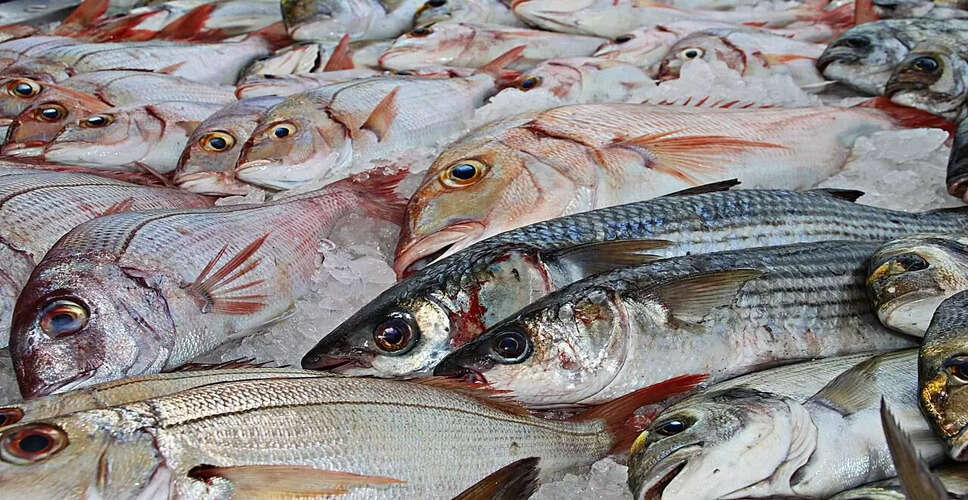
Representational Image
Guwahati, Sept 7: Recent explorations in the eastern regions of Assam have unveiled an impressive variety of aquatic life, but this discovery comes with a crucial warning.
A collaborative field survey conducted by the ICAR-Indian Agricultural Research Institute in Assam and the Sub-Divisional Fishery Development Office in Sadiya has identified 112 distinct fish species in the rivers, landing sites, and markets of the area, showcasing the remarkable indigenous fish diversity found in eastern Assam.
This extensive week-long survey examined several rivers, including the Brahmaputra, Lohit, Dibang, Kundil, Jhiya, and Koliya, as well as major fish landing sites and markets in Sadiya and Santipur.
However, amidst this scientific wealth, certain species have raised immediate concerns regarding conservation.
Among the findings were the Golden Mahseer and Chocolate Mahseer, both of which are listed as endangered on the IUCN Red List of Threatened Species. Alarmingly, these significant mahseer species were found in substantial quantities in local fish markets.
This situation highlights a critical issue: species that hold high conservation value are often regarded merely as common food fish, with a lack of public awareness regarding their endangered status and ecological significance.
The situation is further complicated by recent developments in Dibrugarh, which has been identified as a transit hub for the trafficking of rare ornamental fish.
In December 2023, authorities intercepted an attempt to smuggle approximately 500 rare Channa barca through Dibrugarh Airport, destined for Kolkata. Additionally, in March 2025, the state forest department seized over 2,200 rare fish at the same airport, which were reportedly on their way to Delhi, likely for international markets.
These incidents underscore a growing challenge: Assam's unique freshwater biodiversity is increasingly recognized for its ecological and commercial value.
The survey also documented various ornamental murrels from the Channa genus, locally referred to as Cheng, alongside lesser barils, Garra, and Schistura species.
These fish species hold significance beyond culinary uses; some are valued for ornamental purposes, while others are important for recreational and sport fishing. Yet, their economic and conservation potential remains largely overlooked.
Experts warn that rising commercial interest, if not properly regulated, could exert additional pressure on wild populations, particularly for species with limited distributions or high market demand.
The remarkable fish diversity is intricately linked to the interconnected river and hill-stream habitats.
The Lohit, Dibang, Siang, Kundil, and Jhiya river systems connect hill-stream and foothill environments, creating a complex aquatic ecosystem that supports a wide array of indigenous fish species.
However, these interconnected ecosystems also make species susceptible to various pressures across watersheds, including overfishing, habitat degradation, and unregulated collection for the ornamental fish trade.
The survey has also revealed gaps in current taxonomic knowledge, as some specimens remain unidentified due to limited existing records for certain fish species.
To address this, researchers plan to conduct molecular and genetic studies to clarify species identities, population structures, and genetic diversity.
The specimens collected during this survey have been preserved at the ICAR-Indian Agricultural Research Institute laboratory in Gogamukh.
A follow-up survey post-monsoon is also scheduled to assess seasonal changes in fish diversity and catch composition.
This study was led by Dr. Deep Jyoti Baruah, Principal Scientist (Aquaculture) at ICAR, along with Apurba Bhuyan, Sub-Divisional Fishery Development Officer.