
Exploring the Mysteries of Malana: India's Unique Village
Malana: A Village Steeped in Tradition
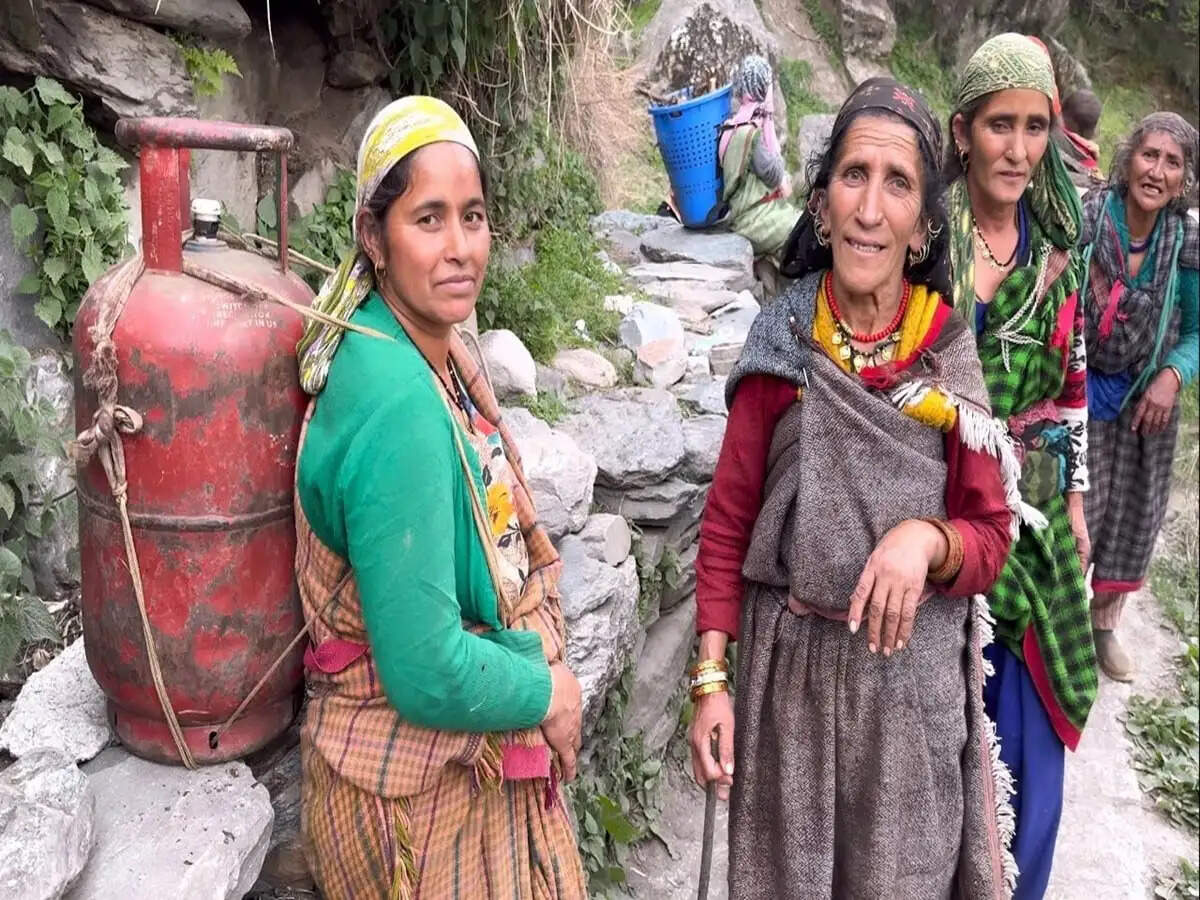
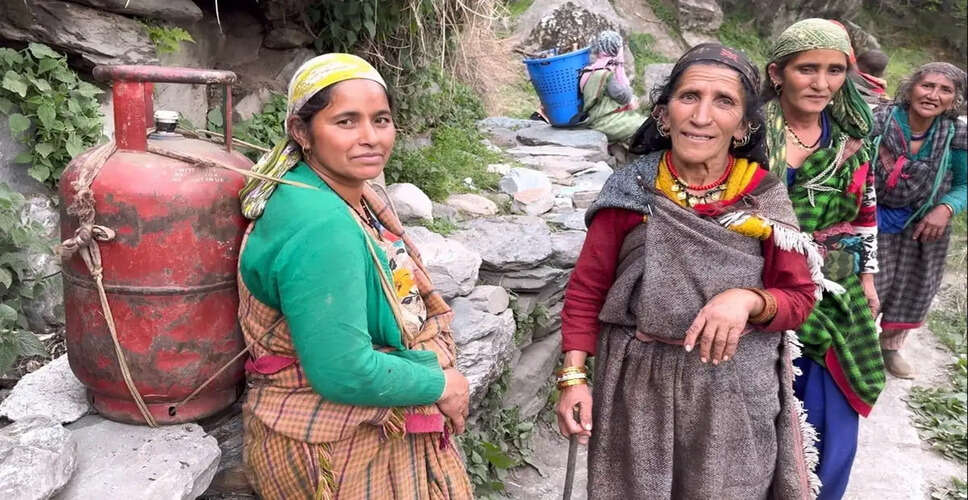
Nestled at an elevation of 10,000 feet in the Parvati Valley, Malana is often referred to as one of India's most enigmatic villages. It is recognized globally as 'the oldest democracy in the world.' However, it has recently gained attention for some unusual customs.
One of the most peculiar laws in Malana prohibits touching its residents. A violation, even if accidental, incurs a hefty fine of 5,000 rupees and results in permanent expulsion from the village. The locals, who claim descent from Alexander's soldiers, speak a unique language called 'Kanashi,' which is not found elsewhere. Here, neither the Indian Constitution nor the Himachal Pradesh police hold sway; the villagers adhere strictly to the laws of their deity, Jamghatta.
The Village's Unique Governance
In Malana, the villagers do not recognize Indian laws. They have their own parliament consisting of 11 members, divided into upper and lower houses. Decisions regarding crimes are made through divine intervention, leading to two possible outcomes: one involving poison and the other truth. The path taken by the sheep determines the verdict.
Another striking aspect of this village is the strict prohibition against touching its inhabitants. The Malanis believe they belong to a pure lineage, viewing outsiders as 'untouchables.' Thus, any physical contact is considered to pollute their community, necessitating such a rule.
Consequences of Breaking the Rules
Shaking hands with a Malani is forbidden, as is touching their homes or walking on their paths. If someone purchases items from a shop, they must pick them up themselves, as the villagers will not touch them. Violating these customs results in significant fines, which have increased from 1,000 to 5,000 rupees. Additionally, villagers are not allowed outside after 8 PM. While women can participate in decision-making, they are not permitted to vote in elections. Although the village has access to electricity and water, internet and mobile signals are virtually non-existent.