
Exploring the Impact of Partition on Bengali Cinema Through Ritwik Ghatak
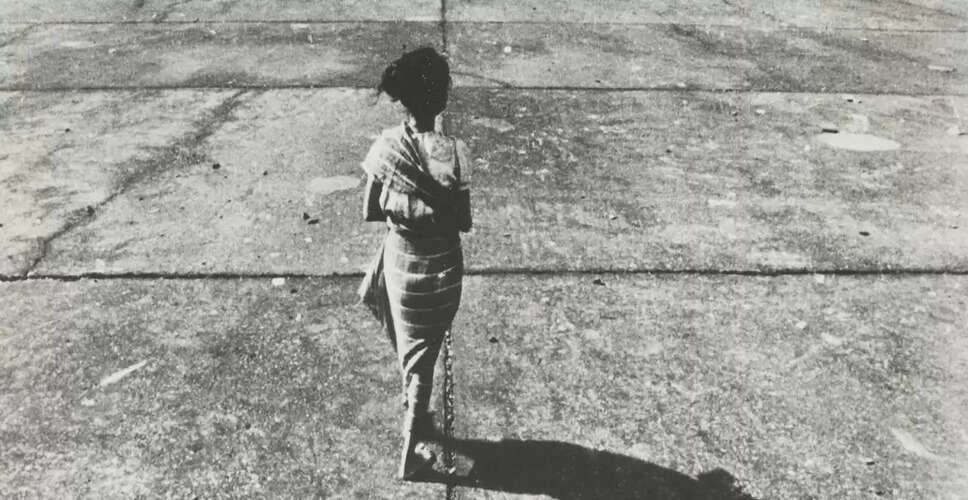
The Legacy of Partition in Bengali Cinema
India's liberation from British rule marked a significant turning point, coinciding with the partition on August 15, 1947. This division affected Punjab and Bengal differently, yet both regions experienced profound changes as countless individuals became refugees, struggling to adapt to their new realities.
In Bengal, the immediate effects of Partition were not reflected in film or literature until much later. The first Bengali novel addressing this theme, Narayan Sanyal's Bakultala P.L.Camp, was published in 1955, while the cinematic portrayal began with the 1950 film Chinnamul (The Uprooted) by Nemai Ghosh.
This pivotal film introduced Bengali cinematic realism, depicting the plight of East Bengali farmers who migrated to Calcutta due to Partition. Ghosh incorporated real refugees into the film, alongside experienced theatre actors, including Ritwik Ghatak, who would later become a renowned director himself.
Ghatak's films powerfully express the trauma of displacement caused by Partition. He held a deep belief in the cultural unity of the two Bengals and never accepted the division, making it a recurring theme in his work.
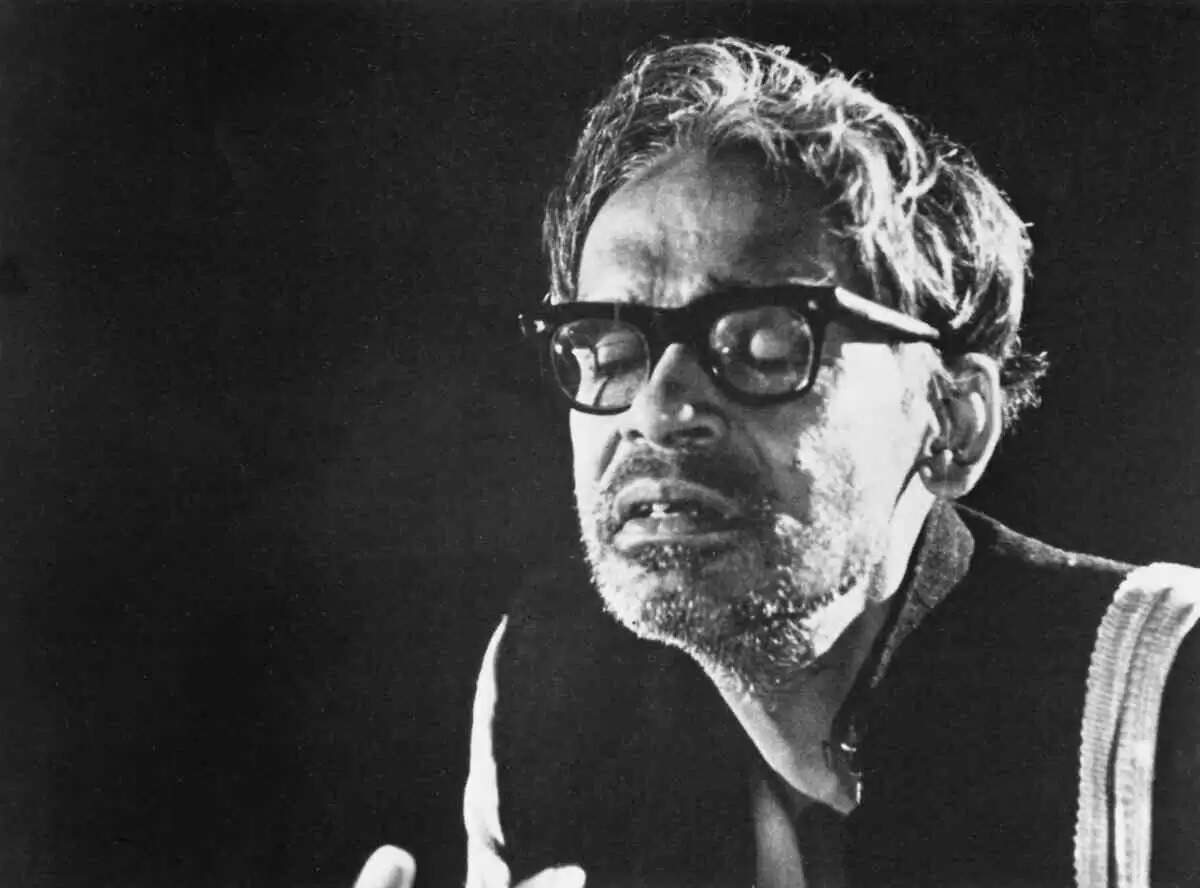
Throughout his 25-year career, which ended with his death in 1976 at the age of 50, Ghatak produced eight feature films, ten documentaries, and several unfinished projects. Despite his innovative approach to filmmaking, he received little recognition during his lifetime, which is unfortunate given his unique blend of realism, myth, and melodrama.
Before entering the film industry, Ghatak was involved with the Indian People’s Theatre Association (IPTA), a cultural movement linked to the Communist Party of India. This experience profoundly influenced his artistic vision, instilling a strong sense of social responsibility. Even after transitioning to cinema, he remained committed to addressing social issues through his films.
For Ghatak, cinema served as a medium of protest, allowing him to confront the significant contemporary issue of Partition and its aftermath. He expressed his anger over the suffering of his people, stating, "Cinema, to me, is a means of expressing my anger at the sorrows and sufferings of my people. Being a Bengali from East Bengal, I have seen untold miseries inflicted on my people in the name of independence – which is fake and a sham."
He rejected the term 'refugee problem,' emphasizing that he viewed it as a cultural division that shocked him deeply.
This shock inspired a trilogy focused on Partition: Meghe Dhaka Tara (The Cloud-capped Star, 1960), Komal Gandhar (E Flat, 1961), and Subarnarekha (The Golden Thread, 1962). These films explore the insecurity and anxiety faced by Bengali refugees, illustrating how Partition disrupted their cultural roots and expressing the nostalgia many felt for their pre-Partition lives.

Meghe Dhaka Tara, based on a novel by Shaktipada Rajguru, is one of Ghatak's most acclaimed films. It tells the story of Nita (Supriya Chowdhury), a refugee in Calcutta who struggles to support her family, ultimately sacrificing her education and health.
Nita embodies the struggles of many women affected by Partition, facing familial pressures and tragic outcomes, including her battle with tuberculosis.
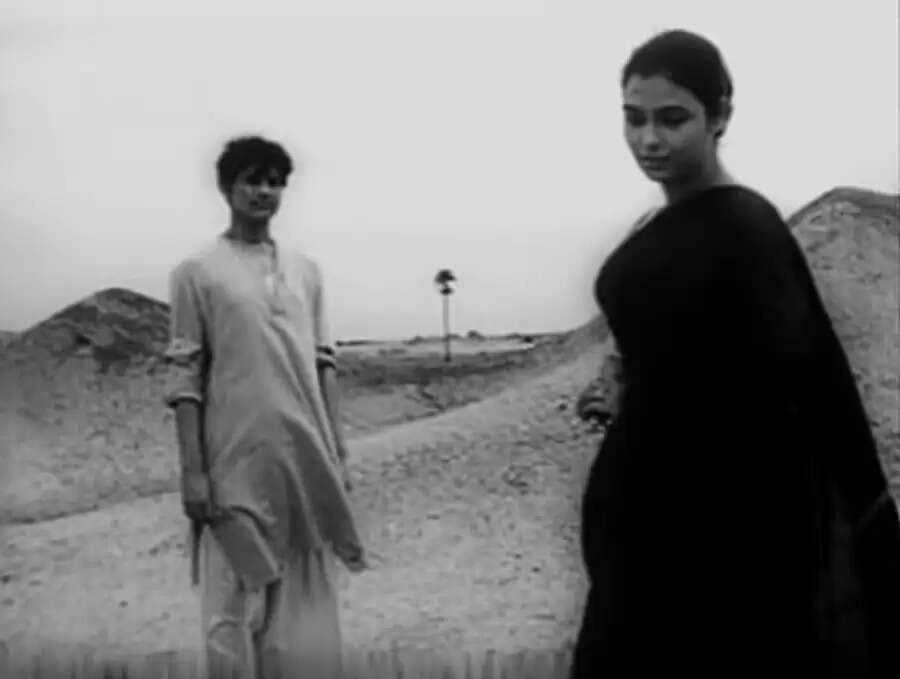
Komal Gandhar explores the progressive theatre movement in Bengal during the early 1950s, intertwined with memories of Partition. The film's protagonists, Bhrigu and Anasuya (Supriya Chaudhuri and Abanish Banerjee), navigate their shared passion for theatre while grappling with their lost homes in East Bengal.
Despite Ghatak's affection for this complex narrative, audiences were unprepared for its depth and rejected it.
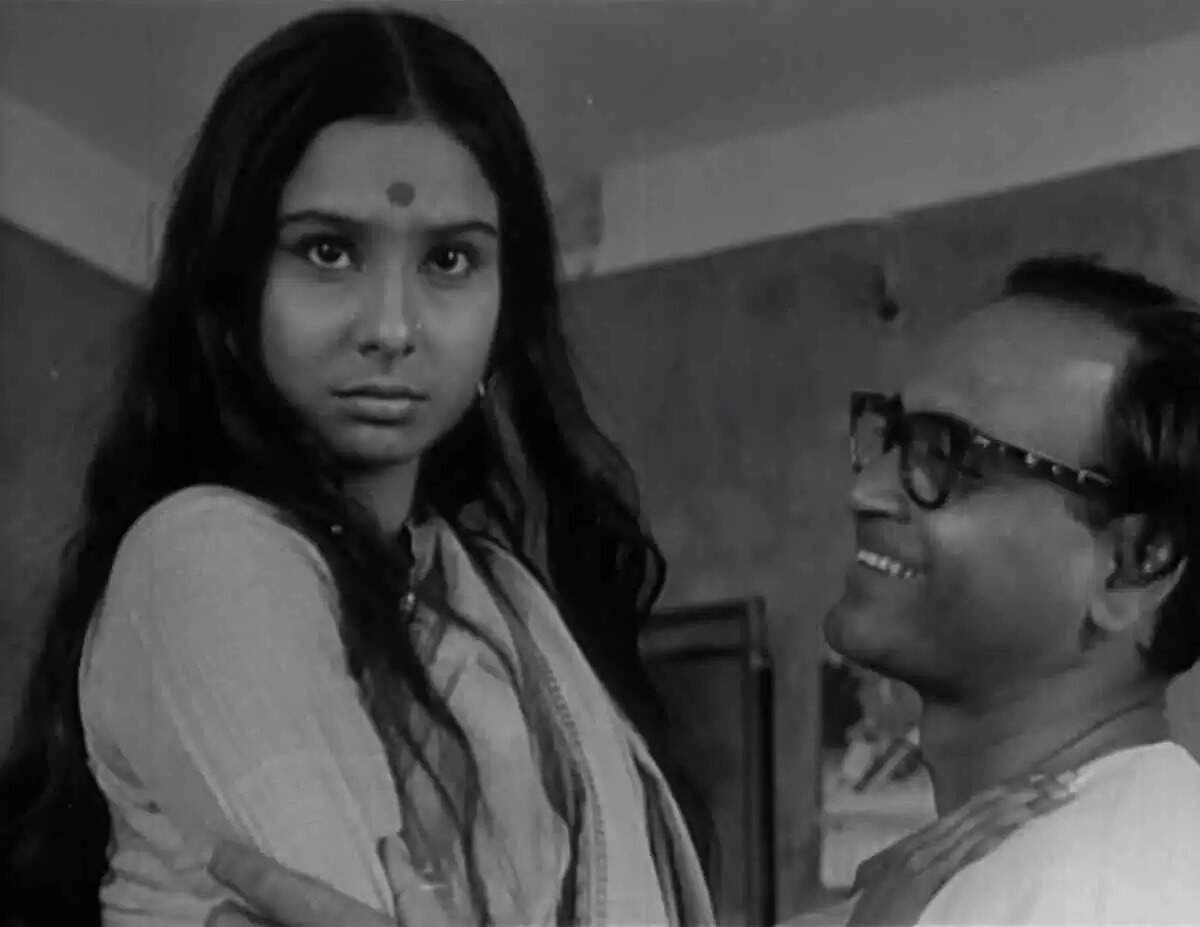
Subarnarekha centers on a brother-sister duo (Abhi Bhattacharya and Madhabi Mukherjee) who seek a better life after fleeing East Bengal. Ishwar, the brother, takes a job in Bihar to secure a future for his sister Seeta, but she ultimately faces the same poverty he sought to escape.
Their reunion under tragic circumstances highlights the devastating impact of Partition on personal lives, culminating in Seeta's tragic fate.
The three heroines of Ghatak's trilogy—Nita, Seeta, and Anasuya—represent the struggles of women during this tumultuous period, drawing parallels to mythic figures like Durga, Sita, and Sakuntala, as analyzed by Ashish Rajadhyaksha in his book Ritwik Ghatak: A Return to the Epic (1982).
No other Bengali filmmaker engaged with the theme of Partition as deeply as Ghatak. In the decades following his death, this theme largely disappeared from cinematic narratives.
However, recent years have seen a resurgence of interest. In 2013, Meghe Dhaka Tara was adapted into a theatrical biopic directed by Kamleswar Mukherjee, featuring Saswata Chatterjee in the lead role.
In 2015, Srijit Mukherji's Rajkahini marked a return to Partition-themed cinema, telling the story of a brothel keeper and her inmates who defy the Radcliffe Line. This film may signal a new trend in exploring Partition's legacy in contemporary cinema.