
Exploring the Health Benefits of Badi Dudhi Ghaas

Health Benefits of Badi Dudhi Ghaas
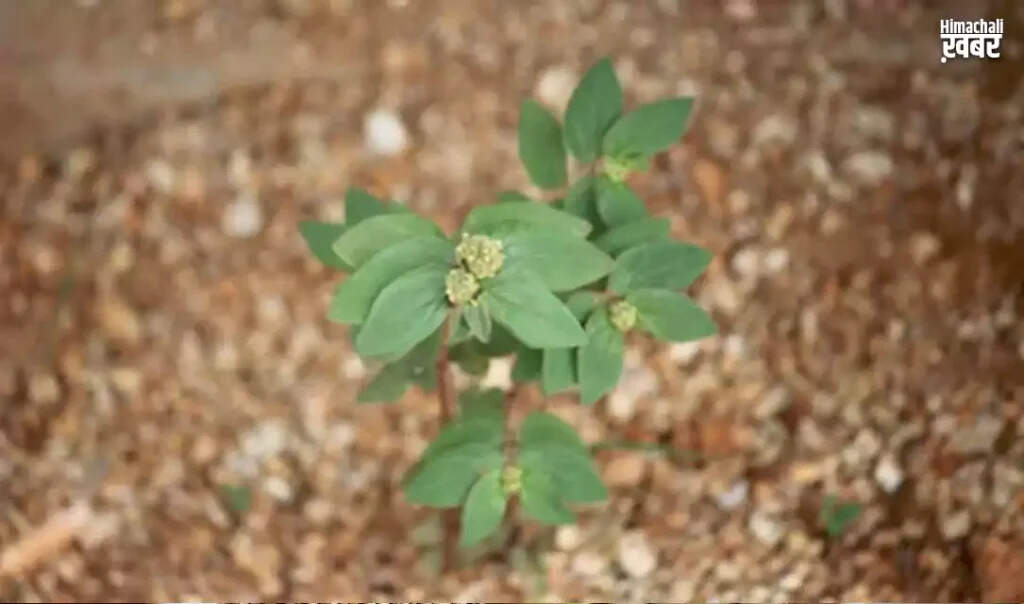
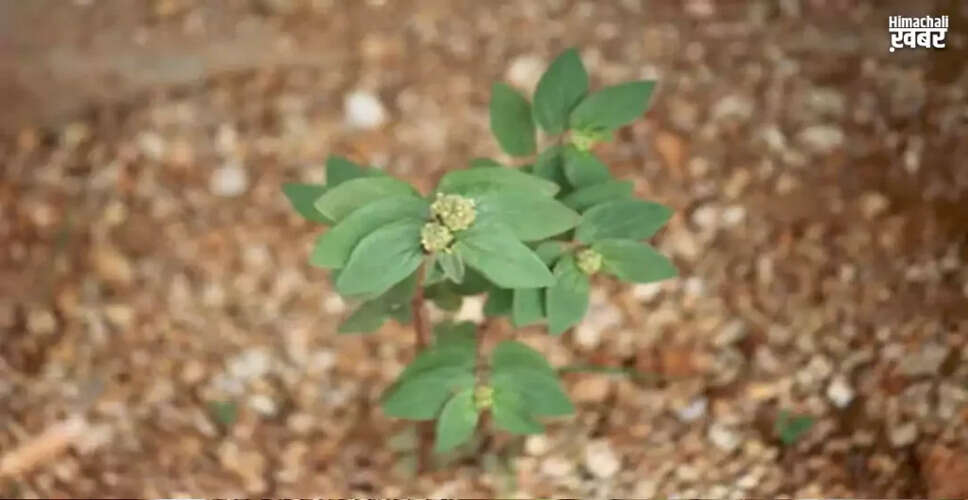
Badi Dudhi Ghaas, scientifically known as Euphorbia hirta, is often underestimated as just another grass. However, its medicinal properties are remarkable. This plant has been utilized in traditional medicine systems like Ayurveda, Siddha, and Unani for centuries, addressing ailments such as cough, asthma, digestive issues, and even malaria.
Research from the American National Library of Medicine highlights the presence of flavonoids like Apigenin, Quercetin, Myricitrin, Rutin, and Quercetin, which protect the body from free radicals. Additionally, it contains tannic acid, triterpenoids like Beta-amyrin, and phytosterols. Other compounds such as shikimic acid, alkenes, and polyphenols contribute to its anti-inflammatory and antimicrobial properties, making it a powerful antioxidant.
Benefits of Badi Dudhi Ghaas
1. Diabetes: Known in Ayurveda as Dugdhika or Sheeta, this grass enhances insulin sensitivity and helps regulate blood sugar levels, making it beneficial for diabetics. It also aids digestion and contains antioxidants that combat harmful free radicals.
2. Asthma: Badi Dudhi Ghaas is effective for asthma and respiratory issues. Consuming its decoction can reduce lung inflammation and ease breathing. Those suffering from cough or asthma can benefit from taking this decoction twice daily.
3. Skin Health: This grass is useful for various skin conditions, including acne and infections. Applying its sap or a paste made from its leaves can provide relief due to its antibacterial properties.
4. Digestive Health: It assists with digestive problems like diarrhea and stomach pain. Drinking a decoction made from its leaves, stem, and roots strengthens the digestive system and alleviates discomfort.
5. Benefits for Women: For breastfeeding mothers, this plant can enhance milk production. Additionally, its root powder can help regulate menstrual cycles.
6. Eye and Ear Health: The juice of Badi Dudhi Ghaas can be beneficial for eye ailments, while chewing its roots can alleviate dental issues. It is also helpful for children experiencing nosebleeds.