
Exploring the Emotional Depth of Semih Kaplanoglu’s Yusuf Trilogy
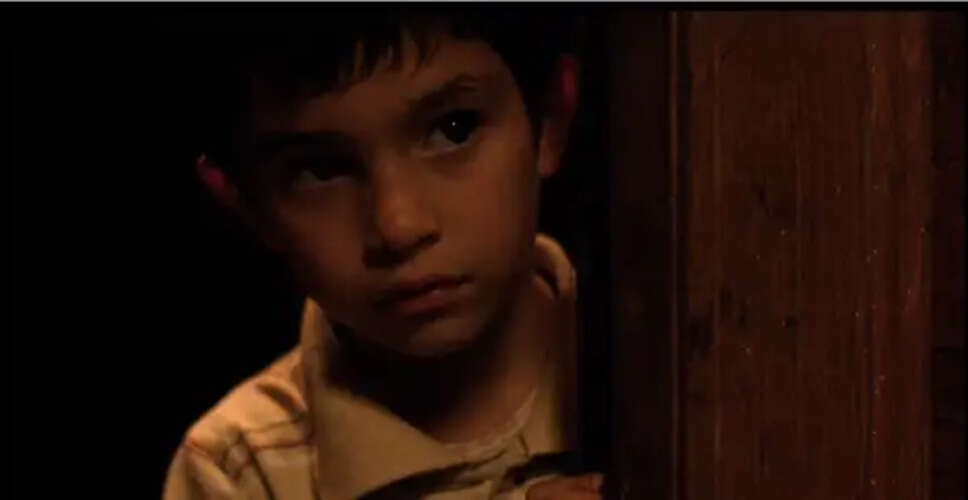

An Overview of the Yusuf Trilogy
Semih Kaplanoglu’s Yusuf trilogy is characterized by its everyday themes, as reflected in the titles of its films: Yumurta (Egg), Sut (Milk), and Bal (Honey). These titles symbolize essential elements of nourishment and serve as triggers for the protagonist Yusuf’s memories.
In Yumurta (2007), Yusuf’s past is evoked when he observes a young boy selling milk and gathering eggs from the family coop. The sequel, Sut (2008), depicts Yusuf as a milk vendor, striving to support his single mother while nurturing aspirations of becoming a poet.
Bal (2010) delves into the bond between Yusuf and his father, highlighting the profound impact of his father's death on him. Yusuf's emotional struggles in Yumurta and his growing estrangement from his mother in Sut are rooted in the events of Bal.
The trilogy’s narrative unfolds in reverse order, a unique approach that emphasizes the past's influence on the present, contrasting with traditional triptychs like Satyajit Ray’s Pather Panchali, which Kaplanoglu cites as an inspiration.
Starting with Bal, the most acclaimed film in the series, which earned Kaplanoglu significant recognition at the Berlin Film Festival in 2010, establishes him as a prominent figure in Turkish arthouse cinema alongside notable directors.
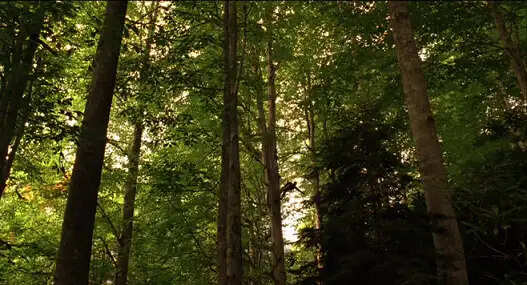
Bal stands out for its minimal dialogue, relying heavily on visual storytelling to convey its themes. Kaplanoglu’s screenplay invites viewers into Yusuf’s world, encouraging them to interpret its subtleties.
Each film opens with a dreamlike pre-credits sequence that encapsulates its themes. In Yumurta, a woman approaches the camera, only to retreat and merge with the horizon, symbolizing Yusuf’s mother Zahra, whose death prompts his return to Tire from Istanbul.
Yusuf’s interactions in Tire, particularly with his distant relative Ayla (Saadet Aksoy), force him to confront the emotional and physical distance he has traveled from his roots. Characters from Sut reappear as older versions of themselves in Yumurta, illustrating the deep connections of Yusuf’s character.
Kaplanoglu’s skill in subtle storytelling is evident in two scenes. One focuses on Ayla’s neck, revealing Yusuf’s burgeoning feelings for her. Another depicts their separate attendance at a wedding, where they connect through the crowd, showcasing the complexity beneath the simplicity of the shots.
Sut provides further context for Yusuf’s behavior in Yumurta, tracing back to his youth as he assists his mother in their milk business while aspiring to be a poet. The encroachment of machines threatens the natural landscape, leaving Yusuf with limited options between military service and construction work, while his mother embarks on a new relationship, complicating his life further.
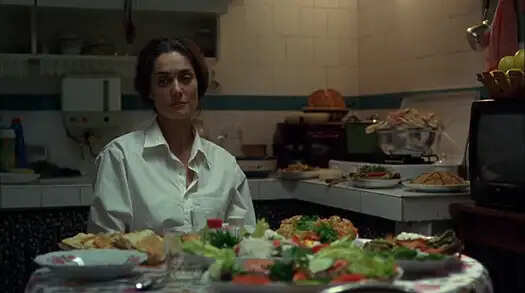
The trilogy beautifully captures the Turkish countryside, with Bal particularly showcasing its splendor. Animals play significant roles in the characters' lives, with pivotal encounters shaping their destinies. In Yumurta, a dog’s appearance is crucial; in Sut, Zahra’s fear of snakes foreshadows events; and in Bal, a pet falcon guides young Yusuf to school.
Yusuf’s struggles with communication and his close yet stoic relationship with his father form the core of his existence. His father’s death leads to a quiet unraveling of Yusuf’s world, with the emotional scars only understood by revisiting the trilogy’s beginning.
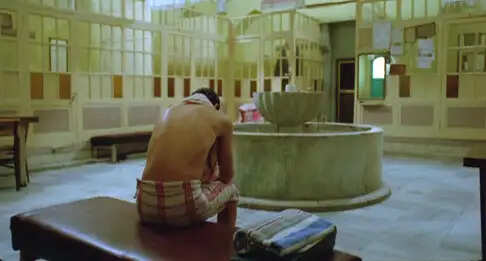
Kaplanoglu weaves themes of love, friendship, loss, hope, and dreams into narratives that reflect a localized Turkish culture. By reversing the journey through Yusuf’s life stages, he redefines the coming-of-age narrative, presenting a character who is already shaped by his experiences, leaving viewers with a poignant image of a lost boy still innocent to life’s complexities.