
Exploring the Eight Types of Marriage in Hinduism
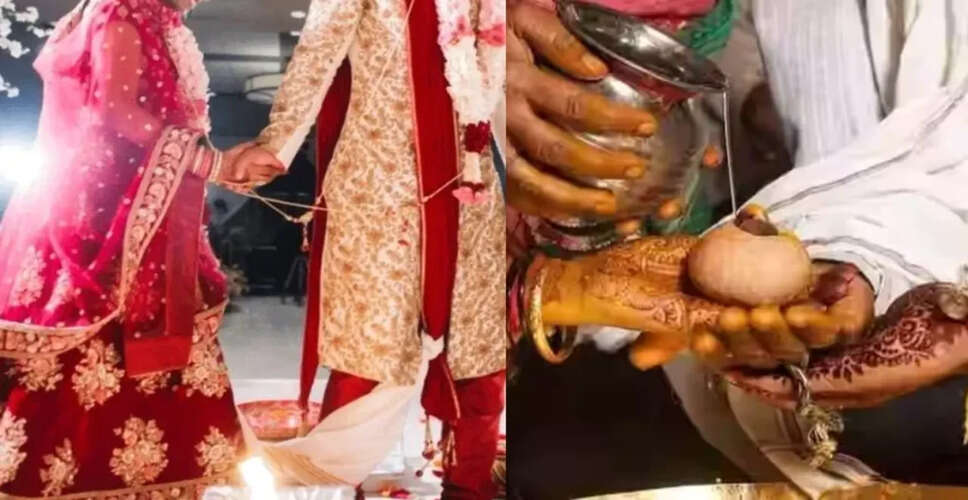

Understanding the Eight Types of Marriage in Hinduism
8 Types of Marriage in Hinduism: Marriage is a commitment, a promise, or a bond that, once made, lasts through lifetimes. It is a connection that, despite lacking blood ties, unites two hearts in a way that is hard to sever. Have you ever heard about the different types of marriages? You might wonder what these types are. Let's delve into the various forms of marriage.
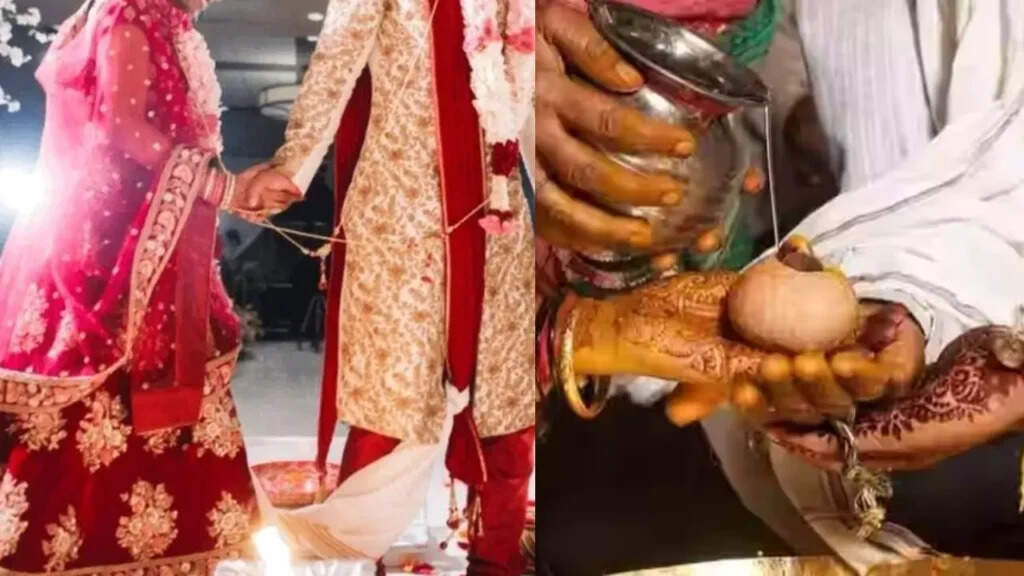
Hindu scriptures describe eight distinct types of marriages, reflecting the social, religious, and cultural traditions of their time. These categories help in understanding the diverse nature and purposes of marriage.
1. Brahma Marriage
This is regarded as the highest and most sacred form of marriage.
In this type, the bride is wed to a qualified, learned, and virtuous man.
There is no place for dowry or transactions in this marriage; it is based on sacred rituals and is considered the ideal form of marriage.
2. Daiva Marriage
In this type, the bride is married to a priest participating in a religious ceremony.
This marriage occurs when the bride's parents offer their daughter to the priest involved in the ritual.
It is seen as a collaboration of sacrifice and religion.
3. Arsha Marriage
In this form, the groom's side gifts the bride's family with a cow or other property.
This exchange is seen as a mark of respect and cooperation, not as dowry.
This type of marriage adheres to the rules set forth in the Vedas.
4. Prajapatya Marriage
This marriage is based on the consent of the parents and social acceptance.
No gifts or dowry exchanges occur in this type of marriage.
It is founded on equality and mutual support.
5. Asura Marriage
In this type, the bride is purchased with money.
This form of marriage was typically prevalent among lower social classes.
It is considered inappropriate and unethical according to scriptures.
6. Rakshasa Marriage
This involves forcibly abducting a woman for marriage.
It was common during wars when the victorious side would take the bride by force.
Scriptures categorize this as a violent and improper form of marriage.
7. Pisacha Marriage
This marriage is conducted through deceit or trickery.
It occurs without the consent of either the bride or groom.
It is also deemed inappropriate and against scriptural guidelines.
8. Gandharva Marriage
This type of marriage is based on love and mutual consent.
The bride and groom decide to marry without any societal rituals.
It is accepted in scriptures and can be seen as an early form of love marriage.
Among these eight types, Brahma, Daiva, Arsha, and Prajapatya marriages are regarded as superior and ideal in scriptures, while Asura, Rakshasa, Pisacha, and Gandharva marriages symbolize various societal conditions and vulnerabilities.