
Exploring the Effects of Quitting Tea for a Month
The Love for Tea in India
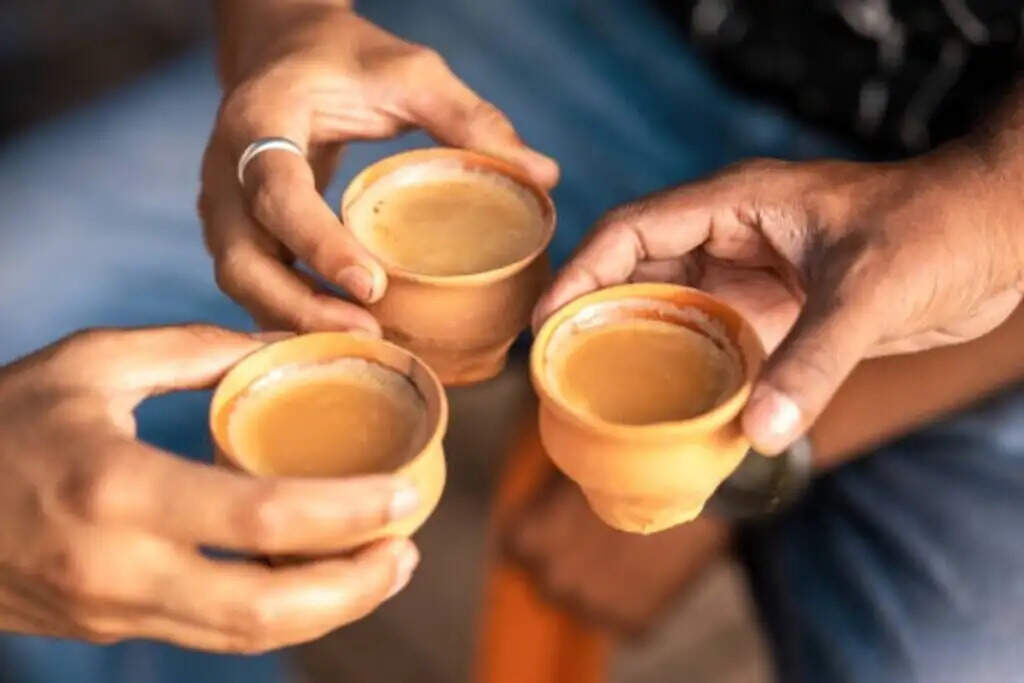
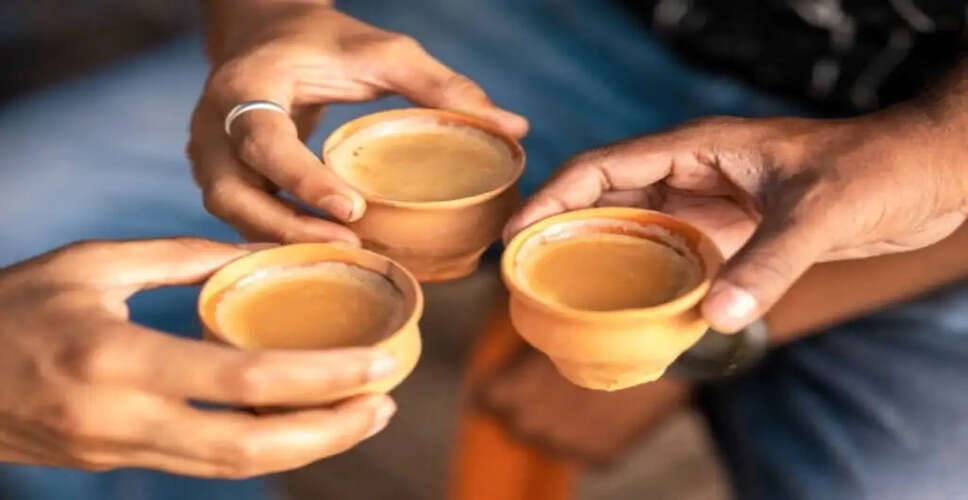
In India, tea holds a special place in the hearts of many. Numerous tea enthusiasts can be found across the country, with many of us enjoying a cup before even brushing our teeth in the morning. After sipping tea, it often feels like a surge of energy revitalizes us.
Is Quitting Tea Beneficial?
Tea has become so integrated into our daily lives that consuming one or two cups a day seems harmless. However, it is also true that long-term tea consumption can lead to certain health issues. This raises the question: is it wise to completely eliminate tea from our diet? What happens to our bodies if we refrain from tea for a month? Here are the answers.
Benefits of Abstaining from Tea:
Avoiding tea for a month can significantly reduce caffeine levels in the body. This leads to deeper, more restful sleep and decreased anxiety. Additionally, quitting tea can alleviate issues related to water balance and urinary problems, positively impacting digestion.
Nevertheless, individuals who rely on tea for comfort may experience mental challenges after quitting. Symptoms such as fatigue, sluggishness, sleep disturbances, headaches, and difficulty concentrating may arise. However, these symptoms typically last only a few days. Once the body adjusts to life without tea, these issues tend to dissipate.
Alternatives to Tea
Instead of milk tea, consider herbal teas, fruit juices, or warm water. Caffeine-free herbal teas, such as marigold or mint tea, can be very beneficial for the body. Juices from fruits like apples or cranberries provide a refreshing alternative as they are naturally caffeine-free. Additionally, drinking warm water with lemon or honey can offer a similar comfort to tea.
Some individuals may find themselves needing to quit tea due to health reasons. Those with sensitive stomachs or heartburn should avoid caffeinated tea. Pregnant women or nursing mothers are advised to limit their tea intake, as excessive consumption can harm the baby. People suffering from anemia due to iron deficiency should also steer clear of tea, as the tannins in tea can inhibit iron absorption.
Consulting a Doctor
Ultimately, to determine whether you should continue drinking tea and how much is appropriate, it is advisable to consult a healthcare professional.