
Exploring the Controversial Marriage Tradition of the Mandi Tribe in Bangladesh
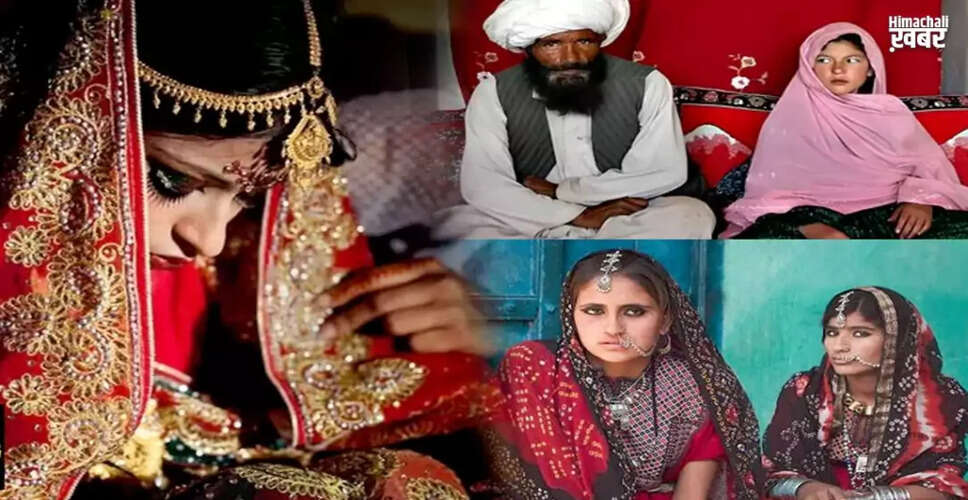

Unique Practices of the Mandi Tribe
Across the globe, including India, numerous tribes maintain distinct customs. While some have adapted to modernity by abandoning outdated practices, others continue to uphold them. One such tribe is the Mandi tribe, located in the southeastern forests of Bangladesh. This tribe has a peculiar tradition where a father lovingly raises his daughter, but as she matures, he becomes her husband.
This may sound strange and even repulsive to many, yet this tradition persists within the Mandi community. Let's delve deeper into this custom.
In the Mandi tribe, it is customary for a man to marry a widow with a daughter. It is preordained that the daughter will eventually marry the same man who was her father during her childhood.
Indeed, the girl who once called him 'father' must later accept him as her husband. However, this tradition requires that the girl’s biological father is not the one she marries. The rationale behind this practice is that a husband can provide long-term security for both his wife and daughter.
A member of the Mandi tribe, Orala, shared her personal experience regarding this tradition. According to media reports, she lost her father at a young age, and her mother remarried a man named Noten. As she grew older, she discovered that her husband was actually her father.
Orala recounted that she adored her father during her childhood because he took excellent care of her and ensured she lacked nothing. However, she later learned that her marriage was arranged when she was just three years old. Orala is not the only girl subjected to this tradition; many others in the Mandi tribe have had their lives impacted similarly.
While this tradition may hold significance for the tribe, its relevance is diminishing in today's world. Reports indicate that gradually, some individuals are breaking away from this practice. Additionally, there are women who choose not to remarry to protect their daughters' futures. Nevertheless, some members of the tribe continue to embrace this tradition willingly.