
Exploring the Complexities of India's Independence in 'Freedom at Midnight'
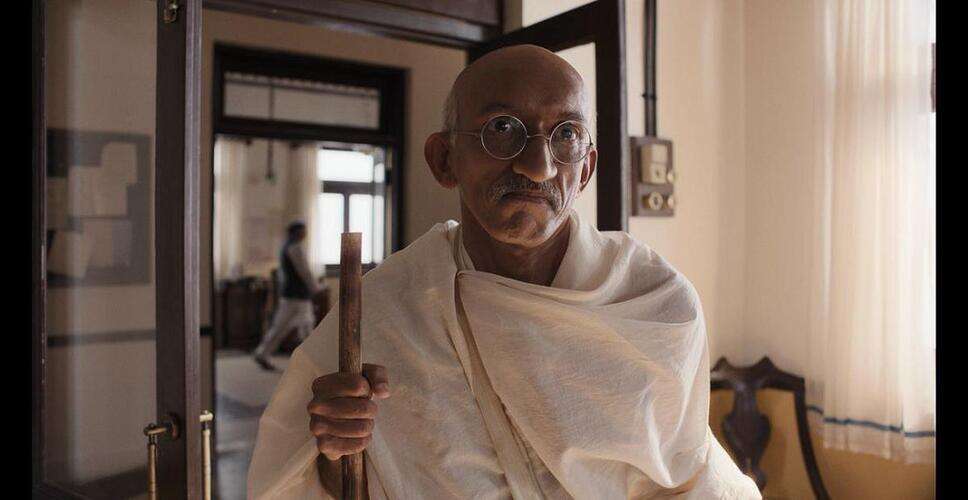
A Dramatic Portrayal of India's Struggle for Freedom
The final season of Freedom at Midnight swiftly introduces India's independence from British rule by the second episode. The Indian flag is raised, symbolizing a 'tryst with destiny,' yet there are still five episodes remaining in this Sony LIV adaptation of the book by Larry Collins and Dominique Lapierre.
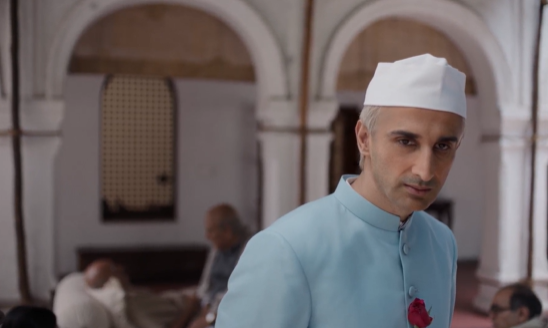
The premiere episode hints at the unfolding narrative. Prior to 1947, key leaders of the freedom movement gather around a sample of the national flag. Jawaharlal Nehru (played by Sidhant Gupta) expresses a vision of a secular India defined by humanity, though his optimism feels somewhat unconvincing.
The atmosphere is filled with anxiety and sorrow as the leaders surround the flag, which appears almost distorted. The series continues to explore the turmoil that accompanies the birth of a new nation.
Directed by Nikkhil Advani and adapted by Abhinandan Gupta, Freedom at Midnight delves into the contentious discussions, difficult decisions, and tragic events that marked the end of colonial rule in India. The previous season effectively illustrated the tense negotiations between the Indian National Congress and Mohammed Ali Jinnah's Muslim League regarding the formation of Pakistan.
Jinnah (Arif Zakaria), along with his sister Fatima (Ira Dubey) and Liaquat Ali Khan (Rajesh Kumar), conceals Jinnah's tuberculosis diagnosis to pressure Nehru, Vallabhbhai Patel (Rajendra Chawla), and Mahatma Gandhi (Chirag Vohra) into making painful compromises. Gandhi's anguish over the partition is exacerbated by the violence erupting in the streets.
British Viceroy Louis Mountbatten (Luke McGibney) finds himself increasingly frustrated as he attempts to mediate, with his wife Edwina (Cordelia Bugeja) often advocating for the Indian perspective. In a poignant moment, when Mountbatten expresses shock at the violence following independence, Edwina retorts, 'You chose duty over lives.'
The British are eager to leave India, with Cyril Radcliffe (Richard Teverson) arriving to hastily draw the borders of the new nation. The date for independence is set, primarily to accommodate British interests, despite objections.
Jinnah's obsession with hierarchy makes him a formidable opponent, leading to tensions between Nehru and Patel that threaten their trust. The second season also addresses the Kashmir issue and Patel's negotiations with princely states regarding their accession to India.
Despite its dramatization and some questionable casting choices, the well-produced series illustrates the heavy toll of liberation from colonial rule. The Congress leaders are depicted as navigating a challenging reality, with Nehru, Patel, and Gandhi striving to mitigate the inevitable violence.
The balance between fact and fiction is not always maintained, particularly in the portrayal of the British, especially Mountbatten. The focus on Partition leads to graphic depictions of violence that may not be necessary.
In a compelling subplot, soldiers from the Indian Army—Hindu, Muslim, and Sikh—attempt to navigate the rising tide of communalism by reaffirming their loyalties. However, the narrative surrounding Gandhi's assassination is treated rather superficially.
Madanlal Pahwa (Anurag Thakur), fueled by rage after losing his family in a riot, becomes determined to kill Gandhi, almost succeeding. His motivations are portrayed sympathetically, suggesting that his actions stem from political manipulation.
The actual assassination of Gandhi by Hindu extremist Nathuram Godse is presented as an anticlimactic event, overshadowed by the chaos surrounding independence. The series downplays Godse's role and the involvement of the Rashtriya Swayamsevak Sangh, creating a disconnect between historical events and their contemporary implications.
The second season could benefit from trimming lengthy discussions in opulent settings while violence brews outside. This theme was already established in the first season and does not require further elaboration over seven additional episodes.
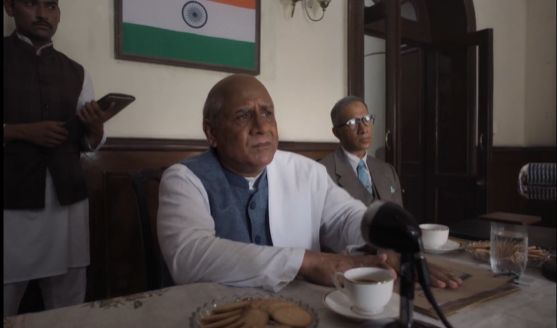
Some of the most engaging moments highlight Patel's pragmatic approach, skillfully portrayed by Rajendra Chawla. Nehru is also depicted fairly, particularly in relation to Kashmir.
Patel's admonishments to Nehru for being lenient with adversaries resonate with the future prime minister. Nehru's ability to rally a group of angry sadhus demonstrates his adaptability.
The narrative acknowledges that argumentative Indians played a crucial role in achieving freedom, a complex truth that persists amid the dramatics and selective historical interpretations. The series concludes with a poignant rendition of Gandhi's favorite bhajan, Vaishnava Jana To, accompanied by a children's choir.