
Exploring the Benefits of Babool: Nature's Remedy

Introduction to Babool
In this article, we will delve into the various aspects of the Babool tree, particularly its pods. Every part of the Babool tree, including its leaves, flowers, bark, and pods, possesses medicinal properties. This thorny tree is commonly found throughout India, both cultivated and in the wild.
Characteristics of the Babool Tree
Babool trees are typically large and dense, characterized by their thorns. During the summer, they bloom with yellow flowers in round clusters, while in winter, they bear pods. The wood of the Babool tree is notably strong, and it thrives near water sources and in black soil. The thorns are white and can range from 1 to 3 centimeters in length, appearing in pairs. Its leaves are smaller and denser compared to those of the Amla tree.
Physical Attributes
The trunk of the Babool tree is thick, and its bark is rough. The flowers are round, yellow, and have a mild fragrance, while the pods are white and can grow up to 7-8 inches long. The seeds are round, grayish in color, and flat in shape.
Names of Babool in Different Languages
Babool is known by various names in different languages: in Sanskrit, it is called Babool, Barbar, or Dirghakantaka; in Hindi, it is referred to as Babur, Babool, or Kikar; in Bengali, it is Babool gach; in Marathi, it is Mabul Babool; in Gujarati, it is Babool; in Telugu, it is Baburram, Nak Dummma, Nela, Tumma; in Punjabi, it is Babla; and in Tamil, it is Karubel. Babool is known to alleviate cough, leprosy, intestinal worms, and toxins in the body.
Medicinal Uses of Babool
The gum of the Babool tree is collected during the summer months. When the trunk is cut, a white substance oozes out, which is referred to as gum. Today, we will focus on the benefits of Babool's pods, flowers, and bark.
Health Benefits of Babool Pods
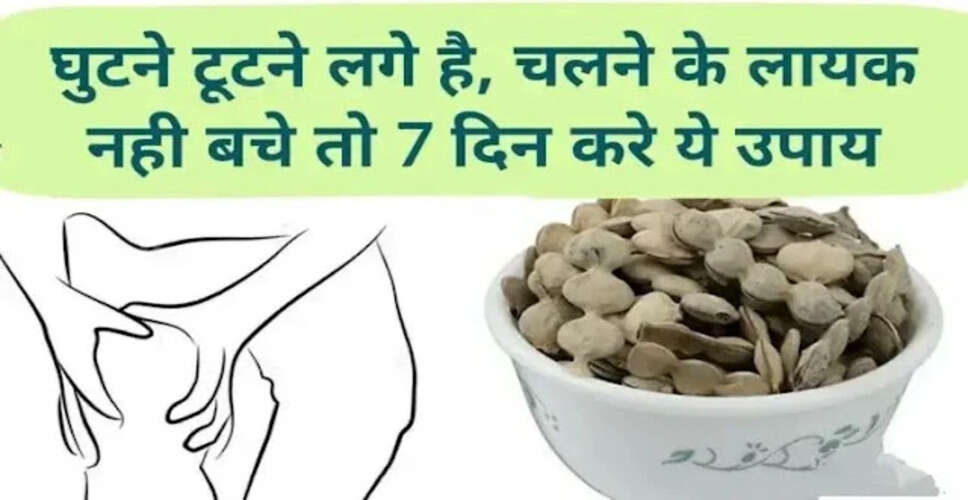
Knee Pain and Bone Fractures: Grinding Babool seeds and consuming them with honey for three days can relieve knee pain and strengthen bones, making them as strong as iron. This remedy is effective even for those advised to undergo knee replacement surgery.
Accelerating Bone Healing: Regularly consuming a spoonful of powdered Babool pods twice a day can expedite the healing of broken bones. This method is highly effective.
Toothache Relief: Mixing the ash of Babool pod peels with salt for brushing can alleviate tooth pain.
Excessive Urination: Drying raw Babool pods in the shade, frying them in ghee, and grinding them into powder can help reduce excessive urination when taken in a daily dose of 3 grams.
Boosting Physical Strength: Drying Babool pods and mixing them with an equal amount of sugar before grinding can enhance physical strength when consumed regularly with water.
Stopping Bleeding: A mixture of Babool pods, mango blossoms, the bark of the Mochras tree, and Lasonde seeds can stop bleeding when consumed with milk.
Enhancing Male Vitality: Soaking a cloth in the juice of raw Babool pods and drying it repeatedly can enhance male vitality when boiled in milk and consumed daily.
Diarrhea Relief: Eating two Babool pods followed by buttermilk can provide relief from diarrhea.
Benefits of Babool Bark, Leaves, and Flowers
Oral Health: Boiling powdered Babool bark in water and using it as a mouthwash can help heal mouth ulcers.
Jaundice Treatment: Mixing Babool flowers with sugar and preparing a fine powder can treat jaundice when taken in a daily dose of 10 grams.
Menstrual Disorders: Boiling 20 grams of Babool bark in 400 ml of water and administering the remaining 100 ml can help regulate menstrual flow.
Eye Irritation: Grinding Babool leaves and mixing them with honey can stop watery eyes when applied like kohl.
Throat Weakness: Gargling with Babool bark decoction twice daily can strengthen the throat.
Throat Disorders: Soaking Babool leaves, bark, and Banyan bark in water for gargling can alleviate throat issues.
Acidity Relief: Preparing a decoction of Babool leaves with a gram of mango gum can help treat acidity when consumed for seven consecutive days.