
Exploring the Benefits of Ash Fleabane: A Comprehensive Guide
Introduction to Ash Fleabane
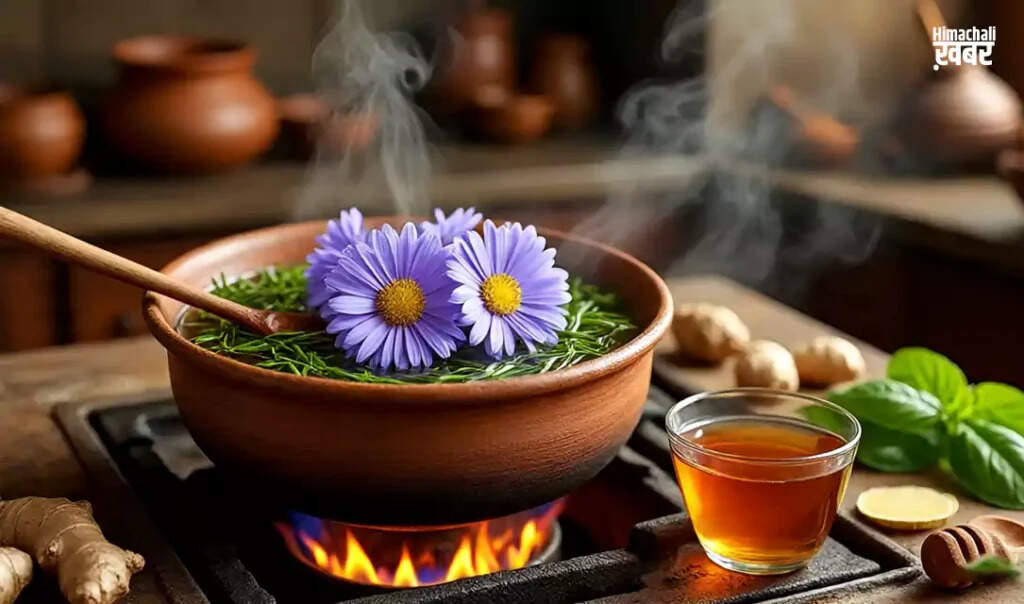
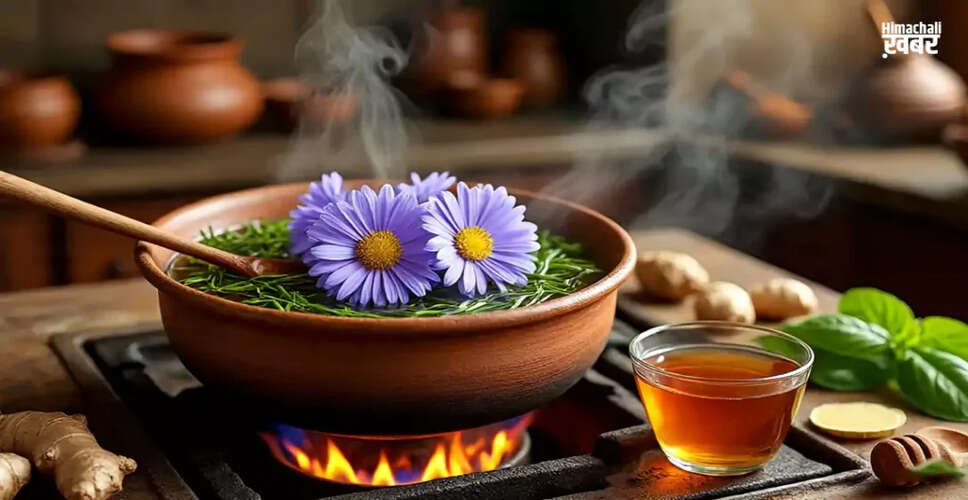
Ash Fleabane, known as सहदेवी or सहदेई, is a delicate plant that typically grows between one to three and a half feet tall. Despite its fragile appearance, it holds significant importance in both Ayurveda and Tantric practices. Its divine properties have earned it a revered status in Ayurvedic texts, leading to its name, which translates to 'Goddess Plant.' The leaves of this plant resemble those of basil or mint, and it features a bushy structure with white flowers. Its flavor is notably sharp, and while it can be found in various regions, it thrives particularly well in sandy soil. Identification of its various species is essential, as its pulp is often used in traditional remedies.
Names in Different Languages
In Sanskrit: महबला, सहदेवी, सहदेवा, डंडोत्पला, गोवन्दनी, विष्मज्वर्णशनी, विश्वदेवा. In Hindi: सहदेवी, सदोई, सदोडी, सहदेई. In Bengali: पीत पुष्प, कुक्षिप, कला जीरा. In Gujarati: सेदर्ड़ी, सहदेवी, कालो सेदड़ो. In Marathi: भांवुर्डी, सदोड़ी, सहदेवी. In Punjabi: सहदेवी. In Tamil: सहदेवी. In English: Ash-coloured Fleabane. In Latin: Bernini’s cinema.
Uses and Benefits of Ash Fleabane
Parts Used: Roots, flowers, seeds, and the entire plant. Taste: Sharp. Properties: Diaphoretic, anthelmintic, anti-inflammatory. Uses: The roots are beneficial for treating water retention and intermittent fevers, while the flowers are effective for eye ailments. The seeds are known to combat worm infestations. Dosage: Juice from 6 to 12 grams, seeds from 4 ratti to 1 mash, and decoction from 20 to 30 ml.
36 Remarkable Benefits of Ash Fleabane
- Its decoction or juice is administered to induce sweating during fevers.
- Applying a paste made from its parts can neutralize various explosive substances.
- Juice is given for urinary tract infections.
- It is effective for treating dysentery.
- Applying its juice on affected areas provides relief from skin irritations.
- Mixing its seeds with honey helps eliminate worms.
- Its parts are beneficial for hemorrhoids.
- Keeping the root near the head while sleeping promotes restful sleep.
- Juice from its leaves combined with basil can help expel kidney stones.
- Using a decoction of its roots as a mouthwash aids in oral health.
- Its roots can help reduce fever when consumed as a decoction.
- Drinking juice from the yellow-flowered variety aids in leprosy treatment.
- Binding seven pieces of its root around the waist can alleviate diarrhea.
- Keeping its young plants in the bedroom promotes better sleep.
- Due to its gentle nature, it can be safely given to children during fevers.
- Combining 1-3 grams of its parts with black pepper in a decoction is beneficial for liver health.
- For skin issues like eczema, taking 2 grams of its powder on an empty stomach is recommended.
- Binding its root around the neck can provide quick relief from throat ailments.
- Women consuming its parts with cow ghee around their menstrual cycle may enhance fertility.
- Grinding it with milk for nasal administration can lead to healthy offspring.
- Applying its root oil on the lower back can relieve labor pains.
- Juicing its leaves with black pepper helps in prolonged fevers.
- Its cooling drink prevents rashes in infants.
- Boiling its leaves and applying them can soothe headaches.
- Using the juice of its white flowers with bitter herbs can alleviate epilepsy and seizures.
- Binding its leaves from both varieties on the head can help with paralysis.
- Applying its leaves as eyeliner can soothe irritated eyes.
- Juicing its leaves can help with various fevers and kidney issues.
- Drinking its extract can help with gas problems.
- Grinding its root in oil and applying it can heal wounds.
- Dripping its extract in the ear can help with epilepsy.
- Binding its root on the head can help reduce fever.
- Drinking its parts can alleviate menstrual disorders.
- Its pulp is often used in traditional remedies.
- Applying its root with haritaki can help with elephantiasis.