
Exploring the Benefits and Risks of the Akarkara Plant
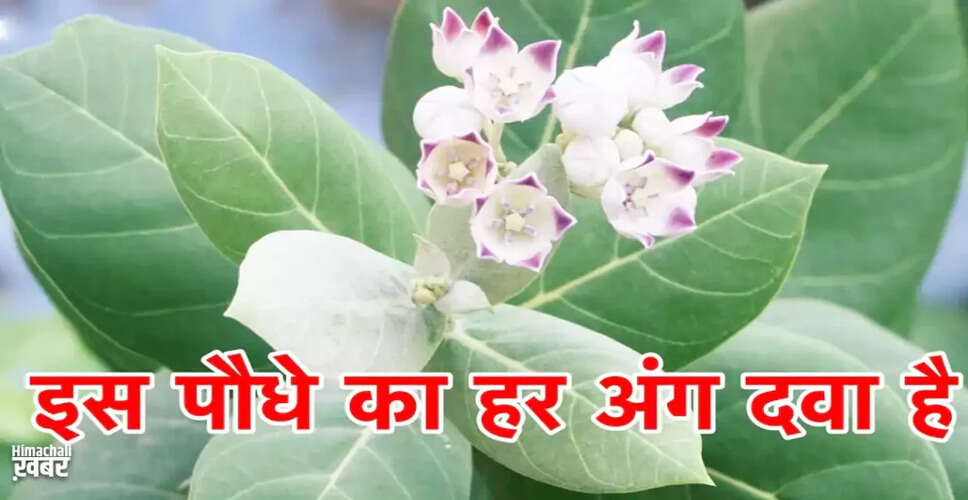
Introduction to the Akarkara Plant
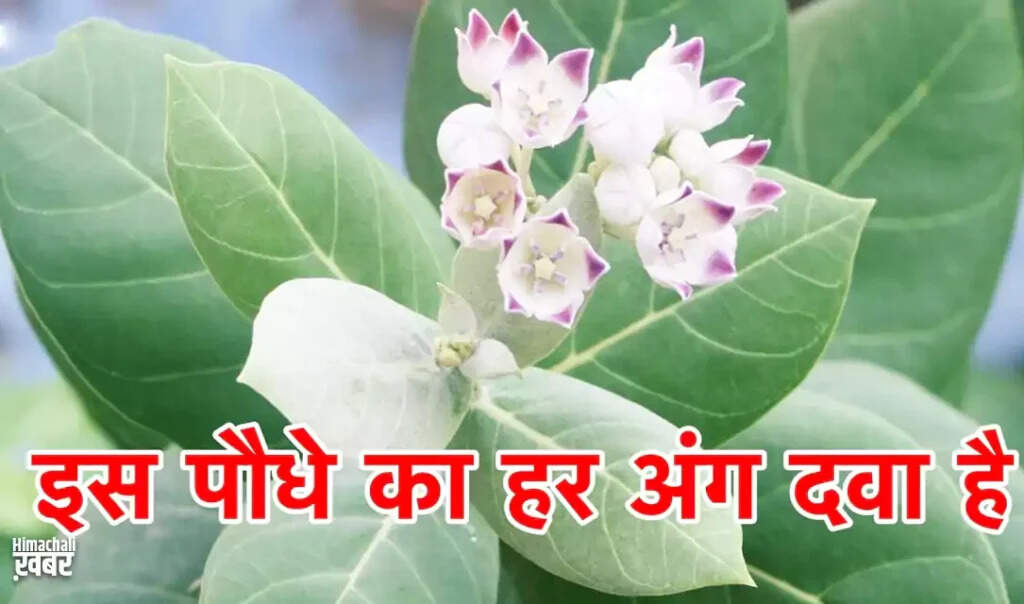
The Akarkara plant is commonly found in various regions, yet many people are unaware of its uses. This plant thrives in dry, barren, and elevated areas.
Common Misconceptions
There is a widespread belief that the Akarkara plant is poisonous and dangerous for humans. While there is some truth to this, as Ayurvedic texts classify it among the semi-poisons, excessive consumption can lead to severe health issues, including vomiting and diarrhea.
Chemical Composition and Benefits
Chemical analysis reveals that the roots and stems contain compounds like amyrin, gignotol, and calotropin, along with trace amounts of madar alban and flabel alkali. The sap is known for its bitter, pungent, and warming properties, which can alleviate various ailments such as ear pain, worms, hemorrhoids, cough, constipation, skin diseases, and inflammation. When consumed in moderation and under the guidance of a skilled practitioner, it can be highly beneficial.
Identification and Characteristics
The Akarkara, also known as Madar or Ark, is a medicinal plant characterized by its small, branched structure. Its leaves resemble those of the banyan tree, thick and green, turning yellow as they mature. The flowers are small, white, and clustered, while the fruit resembles mangoes and contains cotton-like fibers. The plant exudes a milky sap, which is toxic and typically grows in sandy soil during hot seasons, drying up during the monsoon.
Remarkable Benefits of Akarkara
1. Managing Blood Sugar and Abdominal Fat: Wearing a leaf of the Akarkara plant on the soles of your feet can help normalize blood sugar levels and reduce abdominal fat within a week.
2. Healing Wounds: Every part of the Akarkara is medicinal. Applying its tender leaves soaked in sweet oil can reduce swelling, while using them with bitter oil can heal wounds.
3. Cough Relief: The smoke from burning its tender leaves can soothe hemorrhoids. Binding heated leaves can alleviate injuries and swelling, while a mixture of its root powder with black pepper can help relieve cough.
4. Headache Relief: Mixing ash from the root with bitter oil can alleviate itching. Burning one end of a dry branch and inhaling the smoke can provide immediate headache relief.
5. Reducing Fever: Rubbing the root in water can treat nail diseases, while consuming the dried root mixed with jaggery can help reduce fevers.
6. Alleviating Arthritis: Boiling the root in water and mixing it with wheat flour can help treat arthritis effectively.
7. Treating Hemorrhoids: Applying the sap to the affected area can help reduce pain and swelling.
8. Hair Regrowth: Applying the sap to bald patches can stimulate hair growth, but care must be taken to avoid contact with the eyes.
9. Treating Skin Conditions: Mixing the sap with turmeric and sesame oil can help treat eczema and other skin issues.
Potential Risks
Despite its benefits, the Akarkara plant is toxic. Overuse of the root bark can cause irritation in the stomach and intestines, leading to nausea and vomiting. Its fresh sap can be harmful in large quantities, so it is crucial to use it cautiously. To counteract its harmful effects, ghee and milk are often recommended.