
Exploring Sikkim's Cinematic Landscape: Tribeny Rai's Journey with 'Shape of Momo'

A Unique Cinematic Perspective
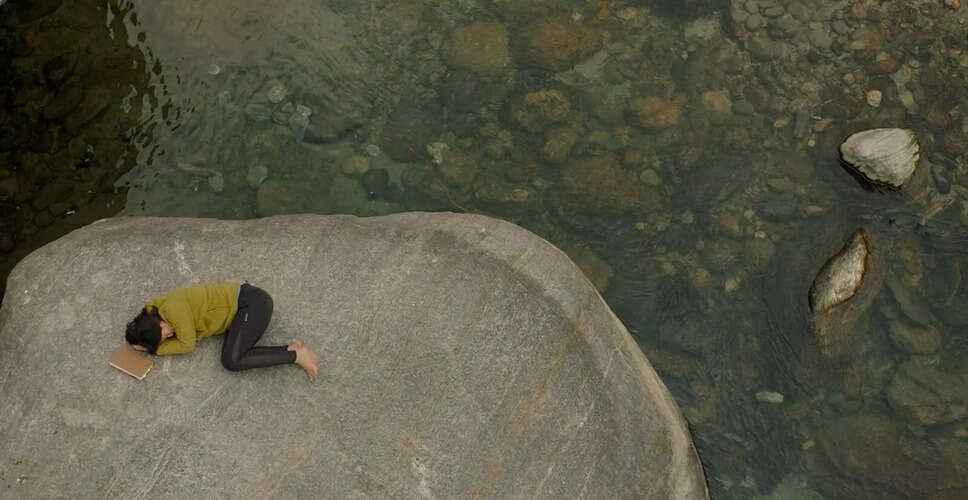
A still from the movie The Shape of Momo
Gangtok, Sept 7: Filmmaker Tribeny Rai believes that cinema starts at home, reflecting the landscapes, languages, and daily lives that often go unnoticed in mainstream films.
Her debut feature, Shape of Momo (Chhora Jastai), showcases the rich Sikkimese culture, reaching international film festivals and presenting a Nepali-speaking Indian narrative that is rarely highlighted in popular cinema.
Hailing from Nandok, Sikkim, Rai pursued Direction and Screenplay Writing at the Satyajit Ray Film and Television Institute (SRFTI) in Kolkata before establishing her own production company, Dalley Khorsani Productions.
Her narratives are deeply rooted in the Eastern Himalayas, focusing on themes of gender, family, and the intricate realities of women's lives, while challenging the stereotypes often associated with the Northeast.
As Shape of Momo continues its global journey, Rai shares insights on elevating Sikkim's cinematic presence, overcoming the hurdles of independent filmmaking, and the gender dynamics influencing her storytelling.
Navigating International Recognition
AT: Shape of Momo has gained international attention. How challenging was it to present Sikkim to global audiences?
Rai: It was a mix of challenges and rewards. Since the film is in Nepali, many assumed it was from Nepal. I often had to clarify that Nepali is also spoken in India and that Sikkim is part of India. This may seem trivial, but it highlights how limited our perceptions of countries can be. India is incredibly diverse, yet the cinematic representation often reflects a narrow view. I aim to showcase our languages and unique realities without needing to conform to more recognizable narratives. While it was sometimes frustrating, I took pride in that discomfort.
The Filmmaking Journey
AT: What was the filmmaking process like?
Rai: Filmmaking is undeniably challenging, but it’s a path I chose willingly. The support from my team, mostly film school graduates, made the process smoother. Their passion for cinema and commitment to telling our story was invaluable. Additionally, the actors, all from the Nepali community, brought their own insights into the narrative we aimed to portray.
Funding Challenges in Sikkim
AT: Given the limited film production in Sikkim, how did you finance the project?
Rai: I invested my savings and my mother's to fund the film. Our co-producers, Kathkala Productions from Delhi, also believed in our vision, which was crucial. Sikkim's film policy offers subsidies to local filmmakers, providing much-needed support. In a region where only a couple of films are made annually, each project feels like a step towards building a sustainable ecosystem. Making a Nepali film in India adds another layer of complexity due to the lack of an established Nepali film industry here.
Addressing Gender Roles
AT: Why did you choose to focus on gender roles and biases?
Rai: My debut film reflects my lived experiences and observations. Growing up in a patriarchal society, I was surrounded by these roles and biases, which are often unrecognized. I didn’t set out to dictate thoughts on gender roles; instead, I wanted to explore how these ideas become ingrained in us, leading to unconscious participation.
Support from the Film Industry
AT: How did support from notable producers impact your film?
Rai: Their backing was invaluable. They are true cinephiles, which is likely why they supported our film. The response in Mumbai was fantastic. While we had a successful festival run, having established names associated with the film lent it credibility and helped connect with a broader audience.
Challenges in Sikkim's Filmmaking Landscape
AT: What are the main challenges facing filmmaking in Sikkim?
Rai: One of the biggest hurdles is the lack of resources. Although our filmmaking ecosystem is evolving, it remains in its infancy. For an industry to thrive, it needs a supportive infrastructure, including resources, technicians, and financing.
Admiration for Fellow Filmmakers
AT: Are there any filmmakers from Assam or other Northeastern states you admire?
Rai: The region is flourishing. Filmmakers from Meghalaya, like Pradip Kurbah and Dominic Sangma, are doing remarkable work. I also admire Haobam Paban Kumar from Manipur for his impactful documentaries. Rima Das and Lakshmypriya Devi are significant figures in the industry. From Sikkim, Prashant Raisly is a leading voice in our cinema. What excites me is that these filmmakers are authentically representing their realities, languages, and landscapes, allowing the world to engage with their stories.